You found a great room. The price looks good. The landlord seems fine.
And then — surprise. A hidden fee shows up. Your deposit disappears. Your roommate stops paying rent. All of a sudden, that “great deal” is costing you money.
This is what room renters go through every day.
Renting a room in a city is one of the best ways to save money on housing. But without the right knowledge, it can also swiftly become one of the best ways to lose it. Shady landlords, ambiguous lease language, sneaky utility splits, and zero renter’s insurance — these compound quickly.
The good news? All of these traps are avoidable.
This guide offers you 12 specific, actionable tactics for safeguarding your money when you rent by room — all before you sign on the dotted line, during your time living there, and at move-out.
What Room Renters Lose (And What You Can Do About It)
Before we get into the tips, it helps to know where the money actually goes.
| Common Money Trap | Average Loss Per Renter |
|---|---|
| Withheld security deposit | $500 – $1,500 |
| Unexpected utility bills | $50 – $200/month |
| Breaking lease early | $500 – $2,000 |
| Stolen or damaged belongings (no insurance) | $300 – $3,000+ |
| Scam listings (fake landlords) | $500 – $2,500 |
| Overpaying rent (no negotiation) | $900 – $1,800/year |
That’s potentially thousands of dollars lost — not because of bad luck, but because of missing information.
Let’s change that.
Way 1: Never Pay a Deposit Without a Written Agreement
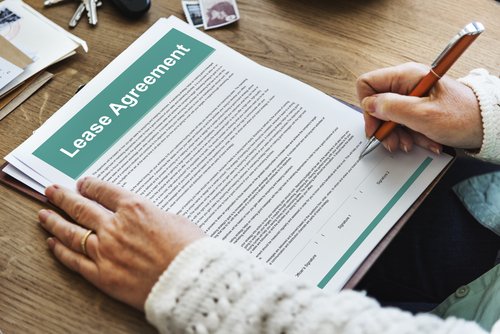
This is the number one mistake new room renters make.
A landlord asks for a deposit to “hold the room.” You pay. Then the landlord goes silent, the room is given to someone else, or the terms suddenly change.
Without a written agreement, you have almost no legal recourse.
The rule is simple: no paper, no payment.
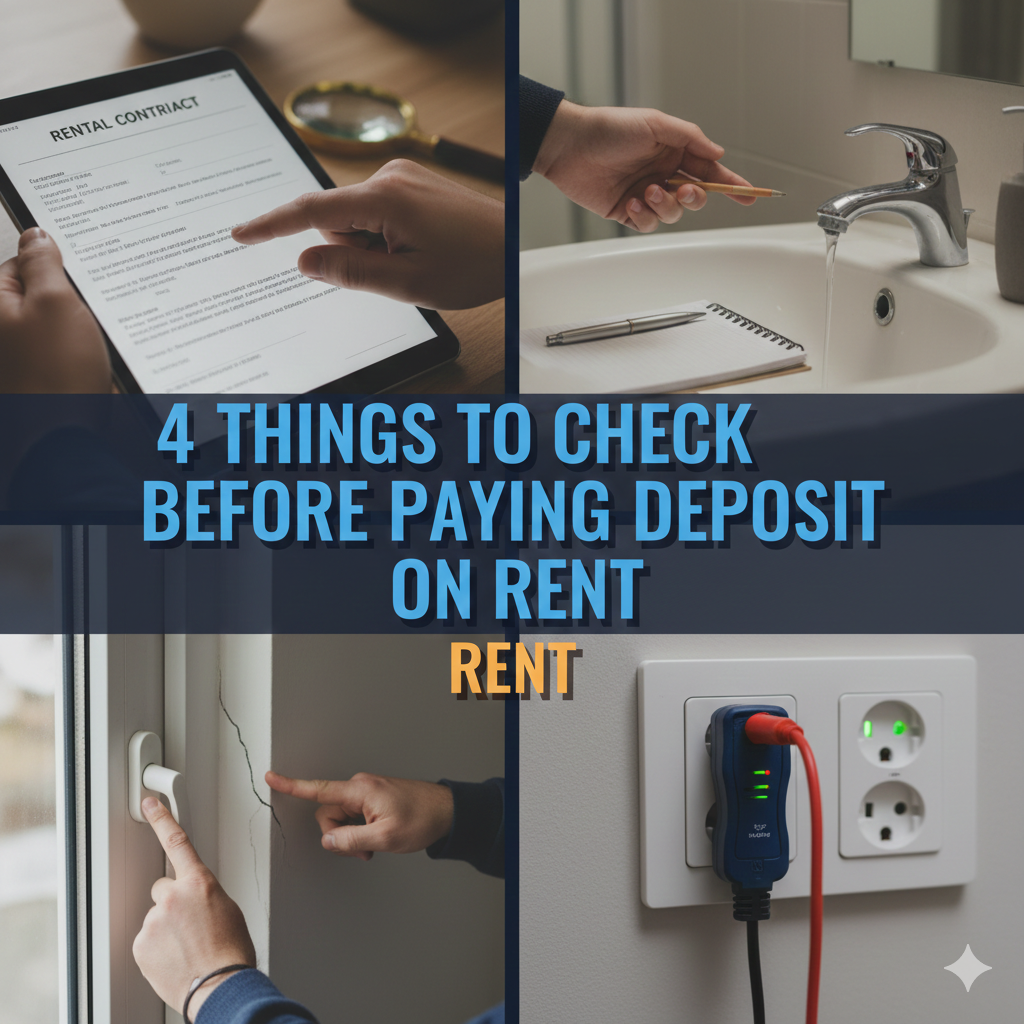
Before you hand over a single dollar, make sure you have a signed document that includes:
- Your full name and the landlord’s full name
- The property address and specific room number or description
- The deposit amount and what it covers
- The conditions under which you get it back
- A move-in date
Even a simple one-page agreement is better than a verbal promise. If a landlord refuses to provide anything in writing, walk away. That refusal tells you everything.
What a Deposit Receipt Should Include
| Item | Why It Matters |
|---|---|
| Deposit amount paid | Proof of exact sum |
| Date of payment | Establishes timeline |
| Landlord’s signature | Legal accountability |
| Refund conditions | Protects you at move-out |
| Payment method noted | Prevents “I never got it” claims |
Way 2: Document Every Inch of the Room Before You Move In
Your security deposit is only as safe as your move-in documentation.
Here’s what happens to thousands of renters every year. They move in, live in the room for months, then move out. The landlord claims there was damage. The renter swears it was like that when they arrived. There’s no proof either way — and the renter loses the deposit.
Don’t let this be you.
On the day you move in — before you unpack a single box — do a full walkthrough with your phone.
Your Move-In Documentation Checklist
- Take photos and videos of every wall, floor, ceiling, window, and door
- Capture existing damage — scratches, stains, holes, broken fixtures
- Timestamp everything — most phone cameras do this automatically
- Email the photos to the landlord that same day and keep a copy yourself
- Fill out a move-in inspection form if the landlord provides one — and keep your signed copy
This documentation is your financial shield. If any deposit dispute comes up later, you have dated, visual proof of exactly what the room looked like when you arrived.
Way 3: Get Every Single Cost in Writing Before Signing
Rent is just the starting price. The real monthly cost of a shared room includes several other expenses — and not all landlords are upfront about them.
Some list a low base rent to get your attention, then add utilities, cleaning fees, and parking charges on top. By the time you add everything up, the “cheap” room is no longer cheap.
Always ask for a complete monthly cost breakdown in writing.
Full Cost Checklist to Request from Your Landlord
| Expense | Ask These Questions |
|---|---|
| Rent | Exact amount, due date, grace period |
| Electricity | Included or split? How is it divided? |
| Gas / Heating | Who pays? Is there a cap? |
| Water | Included or separate? |
| WiFi / Internet | Included? What speed? Who is the provider? |
| Laundry | In-unit, coin-operated, or nearby? |
| Trash / Recycling | Covered or extra charge? |
| Parking | Is it available? What does it cost? |
| Common area cleaning | Shared responsibility or paid service? |
| Late payment fees | What is the penalty for paying late? |
Once you have all of this, you can calculate your true monthly cost — not just the advertised rent.
Way 4: Read the Lease Like a Lawyer (Even If You’re Not One)

Leases are written to protect landlords. That doesn’t make them unfair — but it does mean you need to read carefully.
Most renters skim the lease, sign it, and move on. Then something goes wrong and they realize they agreed to terms that hurt them.
Spend at least an hour reading your lease from start to finish. If something is unclear, look it up or ask.
The Clauses That Cost Renters the Most Money
Early termination fees. What happens if you need to leave before the lease ends? Some leases charge one to two months’ rent as a penalty.
Automatic renewal. Some leases renew automatically if you don’t give notice. Miss the deadline and you’re locked in for another full term.
Subletting restrictions. Can you sublet your room if you need to travel or leave temporarily? Many leases say no — and violating this can cost you your deposit.
Repair responsibilities. Who is responsible for minor repairs? Some landlords put this on tenants for any damage under a certain dollar amount.
Guest policies. How long can a guest stay? Some leases charge extra rent if a guest stays longer than a set number of days.
If anything feels one-sided or confusing, ask the landlord to explain it. Get any verbal clarification in writing. A quick email saying “Just confirming what you told me about the guest policy…” creates a paper trail.
Way 5: Verify the Landlord Is Actually the Landlord
Rental scams are more common than most people realize — especially in competitive city markets.
Scammers copy real listings, post them at slightly lower prices, collect deposits, and disappear. By the time you figure out what happened, the money is gone.
Before you pay anything, verify who you’re dealing with.
How to Confirm a Landlord’s Identity
- Search the property address in your county or city’s public records to find the registered owner
- Ask to see a government-issued ID and compare it to the name on the lease
- Meet in person at the property — scammers rarely show up in real life
- Reverse search their phone number or email using free tools like Google or Truecaller
- Look for the listing on multiple platforms — scam listings are usually copy-pasted and appear in multiple places word for word
If a landlord is hard to reach, pushes you to pay quickly, or refuses to meet in person, treat it as a serious red flag.
Way 6: Never Pay Rent in Cash Without a Paper Trail
Cash is convenient. It’s also impossible to trace.
If you pay cash and the landlord later claims you missed a payment, you have no proof. And in most disputes, the burden falls on the tenant to prove payment was made.
Safer Ways to Pay Rent
| Payment Method | Paper Trail | Recommended |
|---|---|---|
| Bank transfer / ACH | ✅ Full record | ✅ Yes |
| Check | ✅ Bank record | ✅ Yes |
| Zelle / Venmo | ✅ Digital receipt | ✅ Yes (with notes) |
| Money order | ✅ If you keep receipt | ⚠️ Keep your stub |
| Cash | ❌ No record | ❌ Avoid if possible |
If you must pay cash, always request a signed, dated receipt with the amount and payment period clearly stated. Keep every single receipt for the duration of your tenancy.
Way 7: Protect Your Belongings With Renter’s Insurance
A lot of room renters skip this step because they think it’s expensive or unnecessary. It’s neither.
Renter’s insurance covers your personal belongings — laptop, phone, clothes, furniture — if they’re stolen, damaged in a fire, or destroyed in a flood. It also covers you if someone gets hurt in your room and decides to sue.
The average cost? Around $12 to $18 per month.
In a shared house, you have less control over what happens. A roommate could accidentally start a fire. A pipe could burst. Someone could break in. None of that is covered by the landlord’s insurance policy.
According to the Insurance Information Institute, renter’s insurance is one of the most affordable and underutilized types of coverage available — yet it protects everything from personal property to liability.
What Renter’s Insurance Typically Covers
| Coverage Type | What It Protects |
|---|---|
| Personal property | Theft, fire, water damage to your belongings |
| Liability | If a guest is injured in your space |
| Additional living expenses | Temporary housing if your room becomes uninhabitable |
| Off-premises theft | Belongings stolen from your car or elsewhere |
For less than the cost of two coffees a week, you protect everything you own. That’s one of the smartest financial moves any room renter can make.
Way 8: Set Up a Roommate Agreement From Day One
Your lease covers your relationship with the landlord. But what about your relationship with the people you actually live with?
A roommate agreement is a separate, informal document that outlines how you’ll share the space. It’s not always legally binding, but it sets clear expectations — and clear expectations prevent expensive conflicts.
What to Include in a Roommate Agreement
- How shared bills are split and when each person pays
- Cleaning schedule and responsibilities for common areas
- Rules about overnight guests
- Quiet hours and noise expectations
- Food and kitchen policies (shared groceries or keep everything separate?)
- What happens if one person wants to move out early
Having these things written down — even in a shared Google Doc — eliminates the gray areas where most roommate disputes begin.
Way 9: Know Your Tenant Rights Before You Need Them
Most renters don’t look up their rights until something goes wrong. By then, they’ve already lost leverage.
Every city and state has laws that protect tenants. These laws cover things like:
- How much notice a landlord must give before entering your room
- How long a landlord has to return your deposit after you move out
- What conditions make a rental legally uninhabitable
- What your options are if the landlord doesn’t make repairs
Where to Find Your Tenant Rights
| Resource | What It Offers |
|---|---|
| Nolo.com | State-by-state tenant rights guides |
| HUD.gov | Federal housing laws and renter protections |
| Local legal aid offices | Free advice for low-income renters |
| Your city’s housing authority website | Local ordinances and tenant protections |
| Tenant advocacy groups | Support and representation in disputes |
Knowing your rights doesn’t mean you’re looking for a fight. It means you’re prepared. A landlord who knows you understand the law will treat you more carefully.
Way 10: Track Every Communication With Your Landlord in Writing
Verbal agreements are worth nothing in a dispute.
“The landlord said they’d fix the heater.” “They told me I could have a pet.” “They promised the deposit would be returned in full.”
None of that matters without written proof.
Get into the habit of following up every conversation with a quick email or text.
Example: “Hi [Landlord’s name], just following up on our conversation today — you mentioned the heating unit would be repaired by Friday. Please let me know if anything changes.”
That message takes 30 seconds to send. And if things go sideways later, it could save you hundreds of dollars.
What to Always Document
- Maintenance requests and the landlord’s response
- Any agreed changes to rent or lease terms
- Permission for guests, pets, or modifications to the room
- Move-out notice — always send in writing and keep confirmation
- Any complaints made about habitability or safety issues
Create a folder — on your phone or computer — where you store all of this. You’ll rarely need it. But when you do, you’ll be very glad it’s there.
Way 11: Plan Your Move-Out Months in Advance
Most deposit disputes happen at move-out. And most of them are caused by poor planning.
Renters forget to give proper notice, leave the room in worse condition than they realize, or assume the landlord will be fair without any documentation to back it up.
Start planning your move-out at least 60 days before your last day.
Move-Out Money Protection Checklist
60 days out:
- Review your lease for the required notice period
- Give written move-out notice by email — keep the sent copy
30 days out:
- Start cleaning and fixing any minor damage you caused
- Refer back to your move-in photos and make sure the room matches
Move-out day:
- Do a full walkthrough with the landlord if possible
- Take timestamped photos and videos of the entire room again
- Return all keys and get written confirmation that they were received
After move-out:
- Follow up in writing about the deposit return timeline
- Know your state’s law on how many days the landlord has to return it
Being this organized makes it very difficult for a landlord to keep your deposit unfairly.
Way 12: Build an Emergency Rental Fund Before You Need It
The last and most important way to protect your money is one most renters never think about until it’s too late.
What happens if your roommate stops paying? What if you lose your job for a month? What if an unexpected fee comes up and you can’t cover rent?
Without a financial cushion, any of these situations can spiral into missed payments, late fees, and even eviction.
The goal: save at least two to three months of rent in a separate account you don’t touch.
How to Build Your Emergency Rental Fund
| Monthly Rent | 2-Month Buffer | 3-Month Buffer |
|---|---|---|
| $700 | $1,400 | $2,100 |
| $900 | $1,800 | $2,700 |
| $1,100 | $2,200 | $3,300 |
| $1,300 | $2,600 | $3,900 |
Start small. Even saving $50 or $100 extra per month adds up over time. Open a separate savings account specifically for housing emergencies and treat it as untouchable unless a true emergency arises.
Your Complete Money Protection Summary
| # | Way to Protect Your Money | Key Action |
|---|---|---|
| 1 | No deposit without written agreement | Get it signed before paying |
| 2 | Document the room at move-in | Photos, video, email proof |
| 3 | Get all costs in writing | Full monthly cost breakdown |
| 4 | Read the lease carefully | Know every clause |
| 5 | Verify the landlord’s identity | Check public records |
| 6 | Avoid cash payments | Use traceable methods |
| 7 | Get renter’s insurance | $12–$18/month covers everything |
| 8 | Set up a roommate agreement | Prevent conflicts in writing |
| 9 | Know your tenant rights | Research before you need them |
| 10 | Document all landlord communication | Email trail for everything |
| 11 | Plan your move-out early | 60-day countdown checklist |
| 12 | Build an emergency rental fund | 2–3 months of rent saved |
FAQs: How to Keep Your Money Safe When Renting a Room
Q: What is a normal amount to pay for a deposit on a room rental? The majority of landlords require one month’s rent as a security deposit. Some demand first and last month’s rent upfront. Anything beyond that is unusual and should be scrutinized. Always get the deposit terms in writing before making a payment.
Q: What should I do if a landlord won’t return my deposit? First, make a formal written request via email or certified mail. If they fail to respond within the legally mandated timeframe (varies by state, but generally 14–30 days), you can file a claim in small claims court. Courts take deposit disputes seriously when tenants have documented evidence.
Q: Do I need renter’s insurance for a room rental? It isn’t legally required in most cases, although some landlords make it a condition of the lease. Either way, it’s strongly recommended. It’s inexpensive and the coverage is substantial — particularly in shared living arrangements where you may have less control over your surroundings.
Q: Will I be affected if my roommate doesn’t pay rent? It depends on your lease. If you are all on a joint lease, each tenant is individually liable for the entire amount. If you have a separate agreement with the landlord, your roommate’s non-payment generally won’t affect you. Always clarify this before signing.
Q: What happens if I have to leave before my lease is up? Check your lease for the early termination clause. You might have to pay a fee — typically one to two months’ rent. Some landlords are open to negotiation — particularly if you help find a replacement tenant. Always give written notice and keep documentation.
Q: What do I need to know about rental scams when searching for a city room? Always check public property records to verify you’re dealing with the actual landlord. Never pay before you see the room in person. Watch out for prices that look too good to be true. Steer clear of landlords who push you to pay right away or refuse to meet you in person.
Q: Do I need a roommate agreement even if everyone seems nice? Absolutely. Conflict doesn’t typically arise from someone being a bad person — it comes about from expectations that were never clearly established. A roommate agreement protects everyone and makes conversations about money and shared responsibilities a lot easier.
The Bottom Line
Renting a room in a city can be one of the best financial choices you make.
But being a smart renter goes beyond finding a cheap room. It means protecting the money you pay every month for that room.
A written deposit agreement. Move-in photos. A lease you actually understand. Renter’s insurance. A paper trail for everything you communicate. These aren’t complicated things. They’re habits — and once you develop them, they become automatic.
Refer back to this rent by room guide whenever you look for a new room, sign a new lease, or move into a new shared space. The better you prepare, the less money you lose — and the more of your paycheck you actually keep.
City life is expensive enough. Do not part with one dollar more than you have to.