
Right now, living costs are out of control.
Rent keeps going up. Groceries are more expensive. Utilities cost more than ever. And if you’re looking to save money and still have a decent place to live, it can feel nigh impossible.
But here’s something most people don’t really talk about enough — renting by the room is one of the quickest and most practical ways to drastically reduce your living expenses.
Not a little. Significantly.
When planned correctly, renting a room instead of an apartment can save you hundreds every month. That’s money you can spend on savings, debt, travel or simply having more breathing room in your budget.
But there’s a difference between renting by the room and renting by the room smart. This rent by room guide is designed to illustrate that distinction.
These four ultimate tips are practical, proven and easy to implement — whether this is your first time renting or you’ve been doing it for years and need to stop leaving money on the table.
Let’s break it down.
Why It Makes Financial Sense to Rent by the Room Right Now
But before we dive into the tips, let’s take a look at the actual numbers.
Depending on which city you are looking in, the average one-bedroom apartment in the United States ranges from between $1,200 and $2,000 a month. Add in utilities, internet and parking, and you’re often staring down $1,500 to $2,400 a month for housing alone.
Now compare that to renting a room.
| Housing Option | Average Monthly Cost | What’s Usually Included |
|---|---|---|
| One-bedroom apartment | $1,200 – $2,000 | Unit only |
| Studio apartment | $900 – $1,500 | Unit only |
| Renting a room (shared house) | $450 – $900 | Room + shared spaces |
| Renting a room (with utilities) | $500 – $1,000 | Room + utilities + Wi-Fi |
The savings are impossible to miss.
And this rent by room guide isn’t just about finding a cheap room. It’s about making smart decisions that keep your total monthly spending as low as possible — without sacrificing comfort or safety.
Now let’s get into the tips.
Tip #1 — Stop Paying for Unused Space

This may seem obvious, but most renters are paying for space they never even use.
Think about it. In a one-bedroom apartment, you get a complete living room, a separate kitchen, a bedroom and sometimes even a dining area. How much of that space do you actually spend time in every day?
For most people, it’s the bedroom and the kitchen. That’s it.
The Space-Cost Trap
When you rent an entire apartment, you’re paying for every square foot — whether or not it’s used. That’s a lot of money for a couch you sit on an hour a day or a dining table you eat at twice a week.
Renting by the room turns that logic upside down. You pay for your personal space — your room — and you share everything else. You still have access to a kitchen, a living room and a bathroom. You simply do not pay the full price of those spaces individually.
That’s smart money management.
How to Figure Out What You Are Actually Paying Per Room
Here’s a quick exercise. Start with the cost of a one-bedroom apartment in your intended area. Then find the average price of a single room in a shared house in the same area.
| City | Avg. 1-Bedroom Rent | Avg. Room Rental | Monthly Savings |
|---|---|---|---|
| New York, NY | $2,800 | $1,100 | $1,700 |
| Los Angeles, CA | $2,200 | $900 | $1,300 |
| Chicago, IL | $1,600 | $700 | $900 |
| Austin, TX | $1,500 | $650 | $850 |
| Phoenix, AZ | $1,200 | $550 | $650 |
The savings are substantial even in lower-cost cities.
What to Look for in a Value-Maximizing Room
Not all rooms are equal. Some small spaces really are a great deal. Some large rooms are overpriced. Here’s what to consider before signing up:
Room size vs. rent: Is the price per square foot reasonable when compared against similar listings nearby?
Storage included: Is there a closet, built-in shelving or storage space? If not, you’ll be spending money on storage solutions.
Natural light: It may seem minor, but a dark room can really affect your mood and energy. It’s worth factoring in.
Furniture provided: A furnished room saves you from purchasing a bed, desk and dresser. That can easily save you $500–$1,500 upfront.
Condition: Look for mold, dampness, poor heating or thin walls. Any of these can increase costs or compromise quality of life.
A good room in the right house will always beat a flashy apartment that’s barely within your reach.
Tip #2 — Split Every Fixed Cost You Can
One of the most significant financial benefits of renting by the room is cost-splitting. And most people don’t make the most of it.
If you’re living in a shared house or apartment, almost all fixed monthly bills can be divided among the people there. The more you split, the less you pay.
Fixed Costs That Are Almost Always Splittable
| Expense | Solo Apartment Cost | Split 3 Ways | Your Share |
|---|---|---|---|
| Internet / Wi-Fi | $60/month | ÷ 3 | $20/month |
| Electricity | $90/month | ÷ 3 | $30/month |
| Gas / Heating | $60/month | ÷ 3 | $20/month |
| Streaming services | $18/month | ÷ 3 | $6/month |
| Cleaning supplies | $30/month | ÷ 3 | $10/month |
| Total | $258/month | $86/month |
That’s a monthly saving of $172 simply from splitting bills — never mind the savings on the room itself.
The Shared Grocery Model
Here is an even more sophisticated thing some housemates do — and it actually works quite effectively.
A shared grocery system.
Instead of everyone buying their own supply of the same staples (cooking oil, salt, pasta, rice, bread and butter), the house divides the cost of communal kitchen items. Each person chips in a little bit each week — say $15–$20 — into a communal pantry fund.
This minimizes food waste, cuts down on individual grocery bills, and fosters a better sense of community in the house.
It won’t work for everyone. But if your roommates are open to it, it’s worth giving a shot.
Setting Up a Cost-Splitting System That Actually Works
The main issue with splitting costs is keeping track of who owes what. Without a system, it leads to awkward conversations, missed payments and resentment.
Here are three tools that make it easy:
Splitwise — A free app designed specifically for this. You log shared expenses, and it keeps track of who owes whom. Sends reminders automatically.
Venmo or PayPal — Easy for quick transfers. Best when you have a clear agreement on what’s being split and how much.
A shared Google Sheet — Old school but effective. Create a simple spreadsheet with columns for the expense, total cost and each person’s share. Review it monthly.
Pick one system. Get everyone in the house to use it. Stick to it.
Tip #3 — Lock In Your Costs With the Right Lease Structure
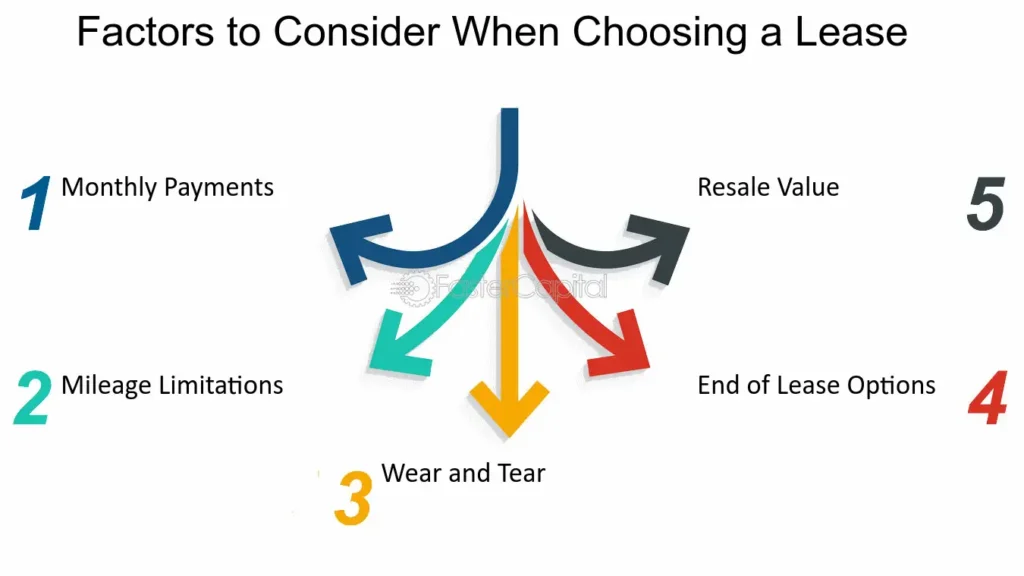
This is the tip that most rent by room guides overlook — and it’s one of the most important for truly lowering long-term living expenses.
Your lease structure determines your financial stability. The wrong lease may leave you vulnerable to sudden rent increases, surprise fees or charges you hadn’t anticipated.
Month-to-Month vs. Fixed-Term Leases
When renting by the room, you’ll typically be presented with one of two types of leases:
Month-to-month lease: You rent on a rolling basis. No long-term commitment. You can leave with 30 days’ notice. The landlord can also increase the rent or end the agreement with similar notice.
Fixed-term lease (6 or 12 months): You commit to a specific period. The rent is locked in for that time. You get stability. The landlord cannot increase the rent during the lease.
| Lease Type | Flexibility | Rent Stability | Best For |
|---|---|---|---|
| Month-to-month | High | Low | People with uncertain plans |
| 6-month fixed | Medium | Medium | People testing a new city |
| 12-month fixed | Low | High | People with stable plans |
If you are looking to reduce living costs, a 12-month fixed lease is almost always the better financial move. If you lock in today’s rate, it is protected against increases for an entire year.
How to Use a Lease to Negotiate a Lower Rate
Here’s something most renters don’t know: committing to a longer lease gives you leverage.
Landlords hate vacancy. Every single day, an empty room costs them money. If you’re willing to sign a 12-month lease upfront, many landlords will lower your monthly rate in exchange for that guaranteed income.
Try this approach:
- Research the average rent for a room in your area first
- Find a room you like and ask about the current monthly rate
- Offer to sign a 12-month lease and ask if they can drop the rate by $50–$100/month
- Frame it as a win-win: they get guaranteed occupancy, you get a reduced rate
Saving $75/month over 12 months is $900 back in your pocket.
What Every Room Rental Agreement Must Include
Before you sign anything, make sure your agreement covers these fundamentals:
| Clause | Why It Matters |
|---|---|
| Exact monthly rent amount | Prevents surprise charges later |
| What utilities are included | Avoids confusion about who pays what |
| Notice period to vacate | Protects you from sudden evictions |
| Deposit amount and return conditions | Ensures you get your money back |
| Guest and visitor policy | Avoids conflict with roommates or landlord |
| Rules about subletting | Gives you flexibility if your plans change |
| Maintenance responsibilities | Clarifies who fixes what and how fast |
If any of these are missing from the agreement, ask for them to be added before you sign.
According to the U.S. Department of Housing and Urban Development, knowing your rights as a renter — including what should be in your lease — is one of the most important steps you can take to protect yourself financially.
A clear agreement protects your wallet. It also protects your peace of mind.
Tip #4 — Build a Lifestyle Around Low-Cost Shared Living
The last tip goes a little deeper. It’s not only about finding a cheap room. It’s about building a lifestyle that works with shared living — so you actually enjoy it and stick with it long enough to see the real financial benefits.
Because here’s the reality: the people who save the most money from renting by the room are the ones who fully embrace it. Not those who treat it like a temporary fix they can’t wait to escape.
The Real Cost of a Miserable Living Situation
If you hate where you live, you spend more money.
You eat out more because you don’t want to use the kitchen. You stay out longer because you don’t want to go home. You spend on entertainment to escape your space. And eventually, you move out early — which means paying moving costs, losing your deposit and starting the whole process over.
A comfortable, peaceful shared living environment keeps your costs down across the board. That’s why choosing the right house and the right roommates is not just a lifestyle decision. It’s a financial one.
The Lifestyle Habits That Make the Biggest Financial Difference in Shared Living
These are the habits that financially savvy room renters gradually develop over time:
Cook at home more often. With a shared kitchen, you have access to a full cooking setup. Use it. Cooking at home instead of eating out can easily save $200–$400 a month.
Use shared spaces actively. The living room, backyard or common area is already part of what you’re paying for. Use it for relaxing, working or socializing instead of spending money elsewhere.
Coordinate errands with roommates. Share grocery runs, bulk-buy household supplies together, and carpool when possible. Small savings add up fast.
Set a personal monthly budget. Knowing exactly what you’re spending — and what you’re saving — keeps you motivated and on track.
What a Realistic Monthly Budget Looks Like
Here’s a real-world snapshot of what a budget-conscious room renter might spend each month in a mid-size city:
| Expense Category | Monthly Cost |
|---|---|
| Room rent | $650 |
| Utilities (split 3 ways) | $40 |
| Internet (split 3 ways) | $20 |
| Groceries (personal items) | $180 |
| Shared household supplies | $20 |
| Transportation | $75 |
| Phone bill | $40 |
| Personal spending / entertainment | $100 |
| Emergency savings | $150 |
| Total Monthly Spend | $1,275 |
Compare that to living alone in a one-bedroom apartment in the same city, which could easily run $1,800–$2,500 once you factor in rent, utilities, internet and groceries — all paid solo.
The math is clear.
How These 4 Tips Work Together
Each of these tips on their own will save you money. But when you put all four together, the impact is far larger.
Here’s a quick summary of how they measure up:
| Tip | Potential Monthly Savings |
|---|---|
| Stop paying for unused space | $500 – $1,200 |
| Split every fixed cost | $100 – $250 |
| Lock in costs with the right lease | $50 – $150 |
| Build a low-cost shared lifestyle | $150 – $400 |
| Total Potential Savings | $800 – $2,000/month |
That’s not a small number. Over a full year, that’s $9,600 to $24,000 staying in your pocket rather than going to a landlord.
This is precisely what a smart rent by room guide is designed to help you achieve.
FAQs: How to Cut Living Costs With a Rent by Room Guide
Q: How much can I realistically save by renting a room instead of a full apartment? Most renters save $500 to $1,500 a month depending on the city — not including how much they split costs with roommates. That can mean $6,000–$18,000 in savings over a full year.
Q: Is renting by the room worth it if I value my privacy? Yes — if you choose the right setup. Many shared houses have defined boundaries and respectful housemates. A solid roommate agreement and open communication go a long way toward protecting your personal space.
Q: What’s the best way to split bills fairly with roommates? The most common method is equal splitting — divide each shared bill by the number of people in the house. For costs tied to personal use (like a parking space only one person uses), that person pays separately.
Q: Should I choose a furnished or unfurnished room? Furnished tends to be the better choice for budget renters. It can save you $500–$1,500 in upfront furniture costs and allows for flexible moving without having to carry large items.
Q: Can I negotiate rent on a room rental the same way as a full apartment? Yes. Offering to sign a longer lease, providing proof of stable income, and demonstrating that you’re a reliable tenant are all effective negotiating tools. Many landlords are willing to negotiate, particularly if the room has been vacant for a while.
Q: What should I do if my roommate stops paying their share of utilities? Address it directly and quickly. Refer to your roommate agreement. If the problem continues, inform your landlord. Document every conversation in writing so you have a record if the situation escalates.
Q: How do I make sure I get my security deposit back? Before moving in, take detailed photographs of your room and any shared spaces. Email those photographs to your landlord with a timestamp. When you vacate, clean thoroughly and photograph the condition again. Compare it to your move-in photos.
Q: Is a 12-month lease always better than month-to-month? Not always. A 12-month lease is better if you have stable plans and want to lock in your rate. Month-to-month is better if your job, school or personal situation might change. Balance your need for flexibility with your desire for cost stability.
The Bottom Line
Living costs don’t have to eat your paycheck.
Renting by the room is one of the most effective and underused ways to trim down monthly expenses — and it’s available to nearly everyone, in almost every city.
This rent by room guide gave you four genuine, actionable tips to make it work:
- Stop paying for space you don’t actually use — rent a room and share the rest.
- Split every fixed cost you can — utilities, internet, groceries and more.
- Lock in your costs with the right lease — use lease length as a financial lever.
- Build a lifestyle around shared living — enjoy it, and the savings will follow.
None of this requires a high income. None of it requires luck. It just takes being intentional about where you live and how you manage your money.
Take these tips. Apply them one at a time if you need to. And watch how quickly your monthly expenses start to decrease.
You have more control over your cost of living than you think. Start using it.