You found the perfect room.
The price is right. The location is great. The images appear clean and bright. The landlord appears to be nice over text.
But here’s the bitter truth — not all landlords are who they claim to be.
Rental scams abound and room renters are the worst affected. Why? Because room renters tend to be budget-conscious, moving fast, and searching in competitive markets where good deals don’t last long. Scammers know this. They use it against you.
The Federal Trade Commission (FTC) estimates rental fraud bleeds tens of millions of dollars a year from Americans. And the scariest part? Many victims never recover that money.
The good news is verifying a landlord isn’t rocket science. It does not take a law degree or a private investigator. If you take the right steps, you can verify whether a landlord is legitimate in less than an hour — sometimes in just minutes.
This rent by room guide shows you 6 smart, fast and reliable ways to check out any landlord before you give away a single dollar. No matter where you are — New York, Chicago, Los Angeles or any other pricey city — these strategies will help keep you safe.
Let’s get started.
The Reason Landlord Verification Is an Absolute Must
Before we get into the how, let’s discuss the why.
Some renters skip verification entirely. Others take it on faith: if a listing looks professional, it must be legitimate. Both are costly mistakes.
Here’s what can go wrong when you do not take this step:
- You pay a deposit and the “landlord” vanishes
- You move in and find out the person renting to you doesn’t even own the place
- You sign a fake lease with no legal protection
- You get locked out or evicted because the real owner never consented to your tenancy
Situations like these are more common than many realize. And they happen to smart, careful people — not just careless ones.
Scams in Room Rentals: The Business of Deceit
Rental fraud in the room rental market is particularly prevalent due to:
| Risk Factor | How It Makes Renters Vulnerable |
|---|---|
| High demand, low supply | Renters scramble to get a room before someone else does |
| Smaller deposits | Scammers chase lower amounts that feel less suspicious |
| Remote searching | Many renters search online and don’t always visit first |
| Less legal knowledge | Renters don’t always understand their rights or the warning signs |
| Multiple platforms | Listings appear on many sites, making fakes tougher to spot |
The answer is straightforward: verify first, sign later. This rent by room guide covers everything you need to do just that. For more expert tips on navigating shared housing safely, visit Rent by Room Guide — a trusted resource built for smart renters.
Method #1: Look Up Property Ownership Records Online
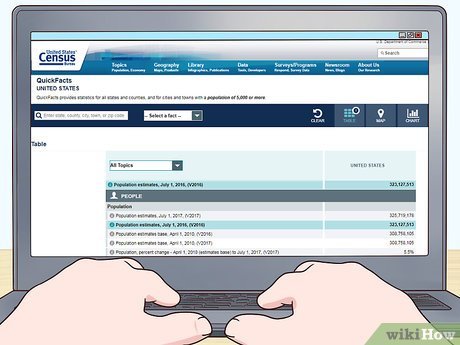
This is the fastest and most powerful step to verify a landlord.
All real estate in America is registered with a local government office. These records are public. They’re free for anyone to access.
How to Access Property Records in Minutes
Here’s the process:
- Get the full address of the room you’re considering
- Head to your county’s official assessor or recorder website
- Use their property lookup tool to search the address
- Check who the registered owner is
If the name on the property record matches the name of the person renting to you — that’s great. That’s a strong initial signal of legitimacy.
If the names don’t match, ask for an explanation. Sometimes an owner hires a property manager to handle rentals. That’s perfectly normal. But you should be able to confirm that relationship with a simple document or phone call.
What to Do If Records Don’t Match
Don’t panic right away. Ask the landlord directly:
“I pulled up the property records and saw that the owner’s name is not yours. Can you explain that?”
A genuine landlord will have a clear, calm response — a property management agreement, a power of attorney, or proof that the property was recently sold and records haven’t caught up yet.
A scammer is likely to get defensive, provide vague answers, or simply stop responding.
Pro Tip: A Google search can bring up assessor records for many counties. Search “[County Name] property records search” and look for the official .gov website.
Method #2: Confirm the Landlord’s Identity with a Reverse Search
Knowing who owns the property is one thing. Verifying that the person you’re talking to is actually that person is another.
That is where a reverse search comes in.
Tools You Can Use for Free
- Google Image Search — If the landlord sends you a photo, right-click on it and select “Search Image with Google.” If the photo pops up on a random website or a stock image database, that’s a red flag.
- TinEye.com — Another reverse image search tool. Fast and free.
- Spokeo or WhitePages — Type in the landlord’s name and city to see whether their contact information checks out.
- LinkedIn — Look up the landlord’s name. A real person with a work history is far more credible than someone with an empty online presence.
A Real Landlord’s Digital Footprint
| Signal | What It Means |
|---|---|
| Name found in public records | Strong indicator of legitimacy |
| Phone matches name on WhitePages | Consistent identity |
| LinkedIn or social profile exists | Real person with verifiable history |
| Profile photo shows up nowhere else online | Not a stolen image |
| Email matches a real domain or known provider | Less likely to be a throwaway account |
No single check is perfect. But when enough checks come up solid, your confidence that the landlord is legitimate goes way up.
Pro Tip: Request the landlord send you a selfie holding up a piece of paper with the date written on it. It’s a simple request. Legitimate landlords understand. Scammers typically can’t comply — because they’ve stolen someone else’s identity.
Method #3: Check for Active Licenses and Registered Rental Properties
In many U.S. cities, landlords are legally required to register their rental properties with the city or county. In some cities, landlords must also obtain a rental license.
This is a bonanza for renters. It’s a completely free, publicly available method of verifying a landlord is operating legally.
Cities Where Rental Registration Is Required
| City | Registration Required? | Where to Verify |
|---|---|---|
| New York City | Yes | NYC HPD Online |
| Chicago | Yes | Chicago City Clerk Portal |
| Los Angeles | Yes | LAHD Registration Portal |
| Philadelphia | Yes | L&I License Search |
| Washington D.C. | Yes | DCRA License Lookup |
| San Francisco | Yes | SF Rent Board Records |
If you live in a city on this list — or one with similar rules — enter the property address through the official portal. A registered property means a landlord who’s doing things the right way.
What If the Property Is Not Registered?
Just because a rental isn’t registered doesn’t automatically make it a scam. But it is a warning sign.
In cities that require registration, an unregistered landlord may:
- Be operating illegally
- Have no legal standing to enforce a lease
- Risk fines that could affect your tenancy
- Not meet proper inspection and safety certifications
If the property isn’t registered, ask the landlord about it. Their response will tell you a great deal.
Pro Tip: Some cities post code violations and failed inspections online. According to HUD’s rental housing resources, renters have the right to a safe and habitable unit — searching the property address in your city’s code enforcement database reveals past safety issues with the unit.
Method #4: Video Call Before You Visit — Always
This sounds simple. But a surprising number of renters skip it entirely.
A video call is one of the quickest ways to separate real landlords from scammers. Here’s why: scammers can fake photos, fake listings and fake text conversations. But a live video call is very difficult to fake.
How to Conduct a Smart Verification Video Call
Don’t just say hi and hang up. Use the call strategically.
Ask the landlord to:
- Walk through the property on camera — You should be able to see the room, bathroom, kitchen and common areas in real time.
- Hold up their ID to the camera — Ask them to show a driver’s license or passport. You don’t need a copy — just a visual confirmation.
- Show you the exterior of the building — Including the street address sign or building number.
- Answer specific questions about the unit — Ask about things only a real landlord would know, like the heating system, parking rules, or trash pickup days.
Red Flags During a Video Call
Watch out for these warning signs:
- They keep delaying or canceling the call
- The video is blurry or conveniently freezes during important moments
- They refuse to show the full unit
- Their answers to basic questions are vague or inconsistent
- The background looks staged or generic
A landlord with nothing to hide will welcome a video call. They’re looking for a good tenant just like you’re looking for a good room.
Pro Tip: Record the video call (with the landlord’s permission) for your own records. If a dispute arises later, this footage can prove very useful.
Method #5: Read Online Reviews and Reputation History

People talk. And in the age of the internet, landlord reputations leave trails.
Before committing to a rent by room arrangement, spend 15–20 minutes searching the landlord’s name and property address online. What you find — or don’t find — tells a story.
Where to Search for Landlord Reviews
- Google Reviews — Search the landlord’s name or property address. If they manage multiple units, reviews may show up.
- Yelp — Some landlords and property managers have Yelp pages with detailed tenant reviews.
- ApartmentRatings.com — One of the best sites for reading tenant experiences at specific addresses.
- Reddit — Search “[Landlord Name] + [City] + reviews” or check local communities like r/AskNYC, r/LAapartments, etc.
- Better Business Bureau (BBB) — If the landlord operates as a company, check their BBB rating.
How to Read Between the Lines in Reviews
Not every review is entirely reliable. Here’s a quick guide:
| Review Pattern | What It Might Mean |
|---|---|
| All 5-star reviews with no details | Possibly fake or written by friends |
| Mix of 3–4 star reviews with specific details | Likely genuine and balanced |
| Multiple reviews mentioning the same issue | A real, consistent problem |
| Landlord responds professionally to complaints | Shows accountability |
| No reviews at all | Could be new — ask for references instead |
When in doubt, ask the landlord directly for references from current or past tenants. A confident, legitimate landlord will have no problem providing them.
Pro Tip: Search the property address specifically on ApartmentRatings.com. Even if the landlord has no reviews by name, past tenants may have reviewed the building or address.
Method #6: Request and Verify Proof of Ownership Documents
This is the most direct verification method. And while it may feel bold to ask for, it’s entirely reasonable — and any legitimate landlord will respect you for it.
Before signing any lease or paying any deposit, ask the landlord to provide at least one of the following:
Documents That Prove Ownership or Authority
| Document | What It Confirms |
|---|---|
| Property deed | Confirms legal ownership of the property |
| Mortgage statement (redacted) | Shows their name tied to the address |
| Property tax bill | Another form of ownership confirmation |
| Property management agreement | Confirms they’re authorized to rent on the owner’s behalf |
| Business license (if applicable) | Confirms a legal rental management business |
You don’t need all of these. Even one or two documents — cross-checked against publicly available property records — provide strong confirmation.
How to Ask Without Making It Awkward
Many renters are afraid to ask for documents because they don’t want to seem rude or paranoid.
Here’s a simple, courteous way to frame the request:
“I’m very interested in the room and I want to move forward. I just like to do my due diligence — would you be comfortable sharing proof of ownership or a management agreement? I understand it’s a common step to protect both the tenant and the landlord.”
Framing it as a mutual protection measure takes the edge off. A real landlord will understand. A scammer will resist.
Pro Tip: Cross-reference any document they provide with the public property records you pulled in Method #1. Names and addresses should match. If they don’t, ask for a clear explanation before going any further.
Landlord Verification Checklist at a Glance
Use this before committing to any room rental:
| Step | Action | Time Required |
|---|---|---|
| 1 | Search county property records for ownership | 5–10 minutes |
| 2 | Run a reverse image and identity search | 10–15 minutes |
| 3 | Check city rental license or registration database | 5–10 minutes |
| 4 | Schedule and conduct a video call | 20–30 minutes |
| 5 | Read online reviews and reputation history | 15–20 minutes |
| 6 | Request and verify proof of ownership documents | 10–20 minutes |
Total time: approximately 1–2 hours.
That’s a small sacrifice compared to losing hundreds or thousands of dollars to a scam — or getting stuck in an uncomfortable rental situation.
Red Flags You Should Walk Away From Immediately
Some red flags should stop you in your tracks before you even finish all six verification steps.
Walk away immediately if:
- The landlord requests payment via wire transfer, Zelle, cryptocurrency, or gift cards
- They claim to be overseas and cannot show the property in person or via video
- The rent is well below market rate with no justification
- They send you a lease before you’ve even spoken on the phone
- They pressure you with “decide today or someone else will take it”
- The listing photos appear at multiple different addresses online
- They refuse to answer basic questions about the property
Trust your gut. If you get a bad vibe, trust it.
FAQs About Verifying Landlords When You Rent by Room
Q: Would it be rude to ask a landlord for proof that they own the property? Not at all. It’s a smart, responsible move. Any legitimate landlord will understand. You can frame it as mutual protection. If a landlord gets defensive or refuses, that itself is a red flag worth taking seriously.
Q: What if I’m dealing with a property manager, not the owner? That’s completely normal. Many landlords hire property managers to handle day-to-day rentals. Just ask the property manager for their management agreement — a document showing they are authorized to rent on the owner’s behalf. Then verify the owner’s name against public property records.
Q: How can I look up property ownership records if I don’t know which county the property is in? Start with a Google search: enter the city name followed by “county assessor property records.” Most major cities have their own dedicated lookup portals. You can also try Zillow or Realtor.com — they often list the owner’s name for properties included in public tax records.
Q: Are online landlord reviews totally trustworthy? Not always, but still quite worth reading. Look for patterns across multiple reviews rather than relying on a single one. Specific details — such as mentions of maintenance problems or communication issues — are more reliable than vague praise or criticism. When in doubt, ask the landlord for direct references from past tenants.
Q: What if I’ve already paid a deposit and suspect it’s a scam? Act fast. Contact your bank or payment provider immediately to report the fraud and attempt a reversal. File a report with the FTC at reportfraud.ftc.gov. Contact local police and file a report with your city’s consumer protection office. If you paid via credit card, dispute the charge with your card issuer — this offers some protection.
Q: Is it safe to rent a room from someone I’ve only met online? It can be — if you complete the proper verification steps first. Meet via video call before visiting. Verify ownership and identity using the steps in this guide. Visit the property in person before signing anything. Never send money before completing these steps first.
Q: Do I need a lawyer to verify a landlord? No. Everything in this rent by room guide can be done yourself, for free, using publicly available resources and common sense steps. If you do reach the lease-signing stage, having a local tenant advocacy organization review the document is a smart move — and many offer this service at no charge.
Wrapping It All Up
Renting a room in an expensive city is stressful enough as it is. Getting scammed on top of that can set you back months — financially and emotionally.
But here’s the thing: landlord verification doesn’t have to be complicated.
With the 6 steps in this rent by room guide, you have a clear, fast and proven roadmap to protect yourself every single time:
- Search property ownership records from your county database
- Run a reverse search to verify the landlord’s actual identity
- Check for active rental licenses and city registration
- Conduct a strategic video call before visiting in person
- Search online reviews and reputation history
- Request and verify proof of ownership documents
Each step takes minutes. Together, they form a shield that scammers simply can’t get past.
The best renters aren’t the ones who move fastest. They’re the ones who move smart. Take the time to verify. Ask the questions that need to be asked. Trust the process.
Your next room should be safe, legitimate, and precisely what you signed up for.
Now go find it — with confidence.