Make Money Fast With These 7 Simple Rent by Room Guide Hacks
Writing a rent check every month feels like shoveling money into a black hole. If you are a landlord with empty rooms that need to be filled or a renter trying to make the most of every dollar you spend, this is not how to play this game.
The rent by room guide is one of the most powerful, yet underutilised strategies in real estate. Instead of renting out the whole property to one tenant, you rent each room individually. This one change can massively boost rent revenue, or cut your housing expenses, depending on which side of the lease you’re on.
This piece analyzes 7 simple, actionable hacks from a real rent by room guide that anyone can follow. No fluff. No confusing jargon. Just actionable steps that deliver quick results.
Here’s Why Renting by Room is Financially Wise Today
Before we get into the hacks, let’s talk numbers.
| Rental Strategy | Monthly Income (3-bed home) | Vacancy Risk |
|---|---|---|
| Single Tenant Lease | $1,500 | High (100% loss if vacant) |
| Rent by Room | $2,400–$3,000 | Low (partial loss only) |
| Short-Term Room Rental | $2,800–$3,600 | Medium |
Renting out rooms in the house can generate an increase of 40–60% from the same property! And for renters sharing a house, splitting costs by room rather than renting an entire unit saves hundreds each month.
Just the math alone makes this strategy worth considering. But the real magic is in how it’s done.
Hack #1 — Price Every Room to Their Value, Not Your Entire House

Everybody makes a huge mistake. They split rent evenly across all rooms. It leaves money on the table.
Room Pricing Should Never Be Equal
No two rooms in a house are alike. A bigger room with a private bath, and one that has a view from the window, is more valuable than a cramped, dark space near the laundry. Treat them that way.
A straightforward framework to price rooms individually looks like this:
Factors That Increase Room Value:
- Private or en-suite bathroom
- Natural light and larger windows
- Closet space or extra storage
- Access to the ground floor (for elderly tenants)
- Stronger Wi-Fi signal or close to the router
- Quiet area with no street noise
Factors That Lower Room Value:
- Shared bathrooms
- Smaller square footage
- Near noisy areas (kitchen, street)
- Less storage space
Sample Room Pricing Breakdown
| Room | Size | Bathroom | Estimated Monthly Rent |
|---|---|---|---|
| Master bedroom | Large | Private | $900–$1,100 |
| Second bedroom | Medium | Shared | $700–$850 |
| Third bedroom | Small | Shared | $550–$700 |
Instead, by pricing each room according to its actual features, landlords make more. Renters have a direct interest, too, because they pay only for what they use — not an all-in sticker price that charges them for a closet-sized pod.
Just this one trick alone can add $300–$500 to monthly gross income per property.
Hack #2 — Use a Co-Living Setup to Halve Shared Costs
Co-living as a concept is not new. But it’s booming once more — particularly among young professionals, students and remote workers.
The idea is simple. Common spaces include the kitchen, living room and bathrooms that multiple people use. You each have your own private bedroom. All shared expenses such as utilities, internet and cleaning are divided evenly.
How Co-Living Slashes Monthly Expenses
Let’s look at two scenarios for a renter:
| Expense | Renting Alone (1-bed apt) | Co-Living (Rent by Room) |
|---|---|---|
| Monthly Rent | $1,500 | $750 |
| Utilities | $150 | $40 |
| Internet | $60 | $15 |
| Cleaning | N/A | $10 |
| Total Monthly | $1,710 | $815 |
That is almost $900 saved each and every month. That’s $10,800 in your pocket over the course of a year.
How to Make Your Co-Living Go Smoothly: Tips
- Write up a basic house agreement on chores, guests and quiet hours.
- Apps like Splitwise can help you keep track of what you owe.
- Establish a shared grocery budget, if roommates are amenable.
- Rotate cleaning responsibilities on a weekly schedule displayed in the kitchen.
Co-living thrives on clear communication. The clearer the rules upfront, the fewer headaches later.
Hack #3 — Stage Rooms Like a Professional to Fill Vacancies More Quickly
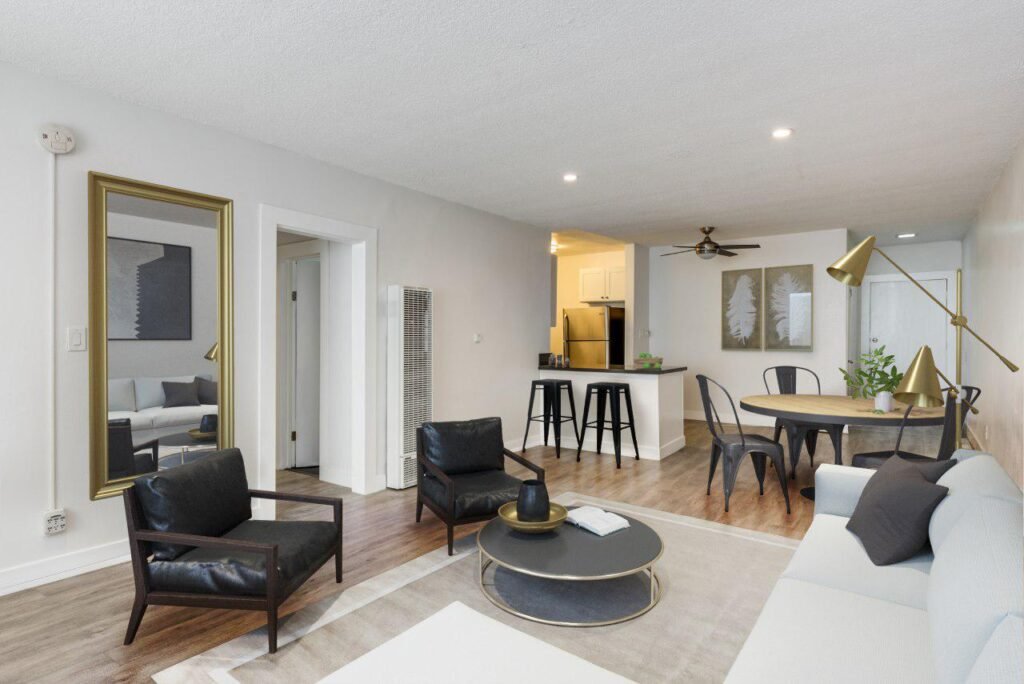
It costs money every day an empty room is vacant. Fill it quickly, and cash starts flowing quicker.
Here’s the thing though — most people post a picture of an empty room with a mattress on the floor and wonder why no one applies. First impressions are everything.
The 10-Minute Room Staging Checklist
You don’t have to bring in an interior designer. Small, inexpensive changes can have a huge impact on how fast a room rents.
Before Taking Photos:
- Deep-clean the whole room — walls, baseboards, windows
- Scatter the bed with a few handsomely neutral throw pillows
- Put a small plant on the side of the window
- Replace harsh fluorescent tube lights with warm white LED bulbs
- Arrange one or two simple pieces of artwork
- Clear all clutter off surfaces
For the Photos:
- Film during daylight hours to take advantage of natural light
- Take pictures from the corner of the room to create a feeling that it is larger
- Make sure you show closet space, even small ones
- Display shared bathroom and kitchen clean and organized
Real estate data shows that staged rooms rent 2 to 3 times faster compared to bare, unprepared empty rooms. Less vacancy, more income — that’s what it means.
Budget Staging Costs vs. Returns
| Staging Item | Cost | Effect on Days Vacant |
|---|---|---|
| New LED bulbs | $15 | Less 1–2 weeks |
| Throw pillows + blanket | $30 | Less 1 week |
| Small plant | $10 | Less 3–5 days |
| Professional clean | $50–$80 | Less 1–2 weeks |
| Total Investment | ~$100 | Savings in vacancy: $300–$600 |
That $100 investment pays for itself over and over.
Hack #4 — Write Listings That Get Clicks and Applications
Most room rental listings don’t get this level of detail. They post things like “room for rent, shared kitchen, $700/month.” That tells renters almost nothing.
A powerful listing speaks directly to your ideal tenant’s needs. It paints a picture. It responds to questions before they’re asked.
Anatomy of a High-Converting Room Listing
Headline Formula: [Room Size] + [Key Perk] + [Location] + [Price]
Example: “Bright Spacious Room with Private Bath in Quiet Neighborhood — $850/mo”
Body Structure:
- Opening hook — One sentence about the vibe of the place
- Room details — Size, light, storage, furnishing
- Common areas — Kitchen, living room, laundry access
- House rules — Gist of pet policy, guests, smoking
- About roommates — Describe current tenants (professionals, students, etc.)
- Utilities included — What exactly is included
- Call to action — “Message us to view this week”
Keywords to Include in Your Room Rental Listing
Insert these terms naturally to enhance search visibility on platforms like Zillow, Facebook Marketplace, Craigslist and more:
- Rent by room
- All bills included room for rent
- Private bedroom available
- Co-living space
- Short-term room rental
- Month-to-month room lease
A good listing does not merely bring more applicants — it brings better applicants who are already aligned with your expectations.
Hack #5 — Screen Tenants the Right Way to Not Lose Money
A bad roommate or tenant can wipe out months of savings. Late payments, property damage, tussles with other housemates — these issues are costly and stressful.
Ninety percent of this is avoided with smart screening upfront.
A Simple Tenant Screening Checklist
Financial Checks:
- Income should be at least 3x the rent of the room per month
- Ask for last 2 pay stubs or bank statements
- Do a credit check (free tools like TransUnion SmartMove are decent)
Background Checks:
- Background reports with a service like RentSpree or MyRental
- Go through court records for past evictions
- Confirm employment by reaching out to employer directly
Behavior and Lifestyle Checks:
- Inquire about work schedule — day shift vs. night shift is important in shared homes
- Inquire about guests and overnight visitors
- Discuss cleanliness expectations during your tour
- Request landlord references
Red Flags to Watch Out For
| Red Flag | What It Could Mean |
|---|---|
| Refuses credit/background check | Might be hiding financial troubles |
| Wants to move in same day | Could be desperate or hiding an eviction |
| Can’t provide references | Little rental history or burnt bridges |
| Pays cash only with no explanation | Major concerns on income verification |
| Aggressive or dismissive while touring | Likely difficult tenant |
No screening process is perfect. But a systematic approach significantly decreases risk and shields your investment — or your home.
Hack #6 — Utility-Inclusive Rent for Low-Stress Management
This hack works both ways. For landlords, it simplifies operations and warrants increased rent. For renters, it eliminates the monthly nightmare of dividing up utility bills.
Why “All-Inclusive” Room Rentals Win
When utilities are built into rent, everyone knows precisely what they owe each month. No debating over who left the air conditioner running. No tracking down roommates for their portion of the electric bill.
Benefits for Landlords:
- Charge an additional $50–$150 per room per month
- Attract more applicants (all-inclusive is a massive perk)
- Reduce late payment disputes
- One payment, one amount — accounting made easy
Benefits for Renters:
- Predictable monthly budget
- No surprise bills
- Less conflict with roommates
- Makes calculating total cost of living easier
How to Establish an All-Inclusive Rate Without Losing Money
Here’s a simple formula:
Room Base Rent + (Average Monthly Utilities ÷ Number of Rooms) + $20–$30 Buffer = All-Inclusive Rent
| Utility | Monthly Cost | Per Room (3 rooms) |
|---|---|---|
| Electricity | $120 | $40 |
| Water | $60 | $20 |
| Internet | $60 | $20 |
| Trash | $30 | $10 |
| Total Utility per Room | $90 |
So if a room’s base rent is $750, the all-inclusive rate would be $750 + $90 + $25 buffer = $865/month.
That’s a clean, simple number that is easy to market and even easier to manage.
Hack #7 — Use Technology to Automate Rent Collection and Save Hours Each Month
Manual rent collection is outdated. Chasing checks and making bank runs, keeping paper records — all of that wastes time and generates errors.
Modern tools make collection seamless, automatic and stress-free.
Top Applications to Manage Rent by Room
| App | Best For | Cost |
|---|---|---|
| Venmo / Zelle | Informal, small-scale rentals | Free |
| Cozy (by CoStar) | Basic online rent collection | Free |
| Avail | Full landlord toolkit | Free / $9/mo |
| TurboTenant | Listings + applications + rent collection | Free |
| Buildium | Larger property management | $55+/mo |
| Splitwise | Splitting shared house expenses | Free |
For most room-by-room landlords, the best combination of features and cost comes from Avail or TurboTenant.
What to Automate Right Away
- Rent reminders — Automatically send a text or email 5 days before rent is due
- Late fee notices — Automate late fees within a grace period
- Maintenance requests — Use an online portal so tenants put issues in writing
- Lease renewals — Create calendar reminders 60 days in advance of when leases expire
- Expense tracking — Use QuickBooks Self-Employed or Wave for landlord accounting
Automating these tasks saves 3–5 hours each week. That time translates to 150–260 hours a year — time you could spend tracking down your next property, growing income or just living your life.
A Full Rent by Room Savings Overview
Here’s a quick-reference rundown of all 7 hacks and what they can potentially save or earn you:
| Hack | Potential Monthly Gain / Savings |
|---|---|
| #1 — Value-based room pricing | +$300–$500 extra income |
| #2 — Co-living cost split | Save $600–$900 per renter |
| #3 — Professional room staging | Fill vacancy 3x faster ($300–$600 saved) |
| #4 — High-converting listing | Attract better tenants, fewer vacancies |
| #5 — Smart tenant screening | Avoid $1,000s in damages/evictions |
| #6 — All-inclusive utilities | Charge +$50–$150 more per room |
| #7 — Tech automation | Save 3–5 hours weekly |
When you compound these hacks on top of each other, the results stack quickly.
Putting It All Together — Your 30-Day Action Plan
It is fun to read about these hacks. But action is what leads to results. Here’s a 30-day plan to start with:
Week 1:
- Use the value-based pricing framework to audit your current room or property
- Check out Zillow and Facebook Marketplace for similar room rents in your area
- Create a free account on TurboTenant or Avail
Week 2:
- Use the inexpensive checklist to stage your room(s)
- Write a new listing using the headline formula and body structure
- Post on at least 3 platforms
Week 3:
- Use the checklist to screen all applicants
- Draft a simple house agreement
- Establish a pricing model inclusive of utilities
Week 4:
- Onboard new tenant(s) with a digital lease
- Activate automated rent reminders
- Set up Splitwise for splitting shared expenses
Within 30 days, you could have a new tenant paying more than you did before — automatically.
Frequently Asked Questions (FAQs)
Q1: What is the rent by room guide and who should use it? A rent by room guide is a tactical yet clever way of renting out several rooms in your property rather than the entire unit. It’s useful for landlords who want to maximize rental income and for renters who want to lower their monthly housing costs.
Q2: Can I legally rent out rooms separately? Yes, in most U.S. states and countries — but always check local zoning laws and housing regulations. Some places have restrictions on the number of unrelated adults who can live in a single dwelling. Check local ordinances before offering up rooms.
Q3: How much additional income can I make renting by room vs. a single lease? Landlords can earn on average 40–70% more by renting out rooms individually than from a single-tenant lease, depending on location and property size.
Q4: Which is the best platform to list rooms for rent? Top platforms include Zillow, Facebook Marketplace, Craigslist, Roomies.com, and SpareRoom. The more platforms you are listed on, the more exposure you get and the less time your property will sit empty.
Q5: What to do with conflicts between roommates? Begin with a specific, written house agreement that outlines cleaning schedules, guest policies, quiet hours and shared expenses. When conflicts arise, resolve them swiftly and calmly in a house meeting. Written rules remove ambiguity.
Q6: Should I make the rooms furnished or unfurnished? Furnished rooms usually go for 20–30% higher rents and appeal to short-term renters, students, and traveling professionals. Unfurnished rooms appeal to long-term tenants who bring their own things. Select according to your target tenant.
Q7: Is this guide for landlords only, or can renters use it as well? Absolutely for renters too. This rent by room guide assists tenants in getting the best value for their rooms, negotiating prices and terms, knowing their rights, and structuring cost-splitting agreements with roommates at an affordable price every month.
Final Thoughts
The rent by room guide tactic is not solely a landlord trick. It’s an overarching financial strategy that can overall affect how much of your money stays in your pocket each month.
Whether you’re looking to optimize a rental property or just halve your own outlay on rent, these 7 hacks provide a clear, actionable roadmap. Just do one hack this week. Add another next week. Over a month’s time, the savings — and supplemental income — will be undeniable.
Smart renters and smart landlords don’t wait for the market to shift. They switch how they play the market.
Get your rent by room journey started today — one room, one hack, one dollar saved at a time.