Many people dream of living near a city center. You have ready access to jobs, restaurants, transport and entertainment. But renting in the city can get pricey — unless you know how to rent by room.
Renting a room as opposed to an apartment is the best thing you can do. It reduces costs, affords you flexibility, and puts you right at the center of everything.
In this guide we break down 9 practical, proven methods of finding and renting rooms close to city centers. Whether you’re a student, a young professional or someone moving for work — this article applies to you.
Let’s get into it.
Why Renting a Room Near a City Center Makes Total Sense
But before we get into the “how,” let’s talk about the “why.”
Rooms in the city center are in high demand. And for good reason.
If you rent by room, that means you’re only paying for your personal space. Shared expenses like utilities, Wi-Fi and sometimes even groceries are divided among housemates. That leaves you with more money in your pocket.
Here’s a snapshot of how room rentals stack up against whole apartments:
| Feature | Full Apartment | Rent by Room |
|---|---|---|
| Monthly Cost | $1,500–$3,000+ | $500–$1,200 |
| Upfront Deposit | 2–3 months rent | 1 month or less |
| Utility Bills | Paid solo | Shared |
| Flexibility | Long-term lease | Often month-to-month |
| Social Life | Isolated | Built-in community |
The numbers speak for themselves. Now let’s dive into just how to get it done.
1. Get The Right Online Platforms First
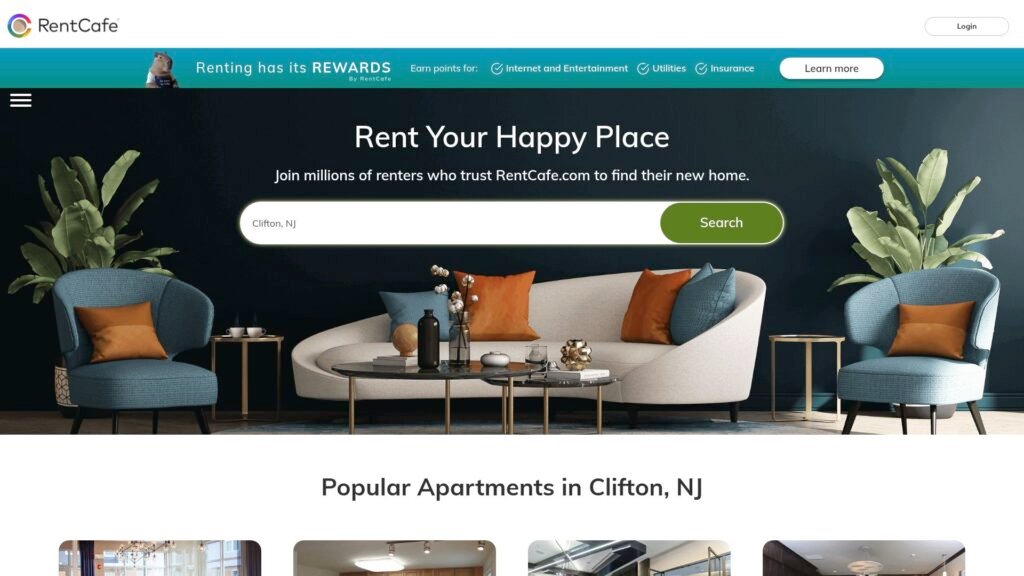
You can start your rent by room search easily online.
Several platforms exist specifically for room rentals. They allow you to filter by city, neighborhood, price and even roommate preferences.
Top Platforms to Use
- SpareRoom – One of the most valuable sites for finding room rentals, particularly in the US and UK.
- Roomies.com – Great for finding rooms in bigger cities.
- Facebook Marketplace – Free to use, with lots of local listings.
- Craigslist – It’s old, but it still works for city center rooms.
- Zumper – Has listings for private rooms, in addition to full apartments.
- HotPads – A good option if you want to filter room-only listings in urban areas.
How to Search Smart
Don’t simply type “room for rent.” Be specific.
Search for things like “furnished room city center,” “room near downtown,” or “private room near metro station.” The more targeted your query, the stronger your results.
Set up alerts so that you’re notified the instant a new listing goes live. City center rooms get snatched up quickly — often within hours.
2. Join Local Community Groups and Forums
Online platforms are great. But local community groups are often much better.
In fact, in most cities there are Facebook groups completely dedicated to room rentals. These groups are updated daily. Listings tend to be from real people — rather than property management companies — which generally leads to lower prices and more flexibility.
Where to Look
- Facebook Groups (search “[Your City] Rooms for Rent”)
- Reddit (r/[YourCity] or r/RoomForRent)
- Nextdoor app (hyperlocal neighborhood listings)
- University forums and student housing boards
Why This Works
When you go straight to local groups, you cut out the middleman. That means no platform fees, no delays in processing your application and usually more room to negotiate on price.
People in local groups are also more likely to rent to someone who comes across as genuine — so introduce yourself properly and be real in your posts.
3. Engage a Local Rental Specialist Real Estate Agent
Most people don’t consider hiring an agent when renting a room. But it can be a differentiator — particularly in competitive city markets.
Some agents specialize in residential rentals, and they know the local market like the back of their hand. They may direct you to listings that aren’t even advertised publicly.
What to Ask an Agent
- Do you handle room-only rentals or shared housing?
- Are there any listings in [specific neighborhood]?
- What does this area usually charge for a room?
- Are any landlords willing to do month-to-month?
Is It Worth the Fee?
Some agents require a finder’s fee — typically one month’s rent. Others are compensated by the landlord.
In a high-demand city like New York, San Francisco or Chicago, the investment may be worthwhile. Finding the right place quickly can spare you weeks of searching and temporary accommodation expenses.
4. Seek Out Co-Living Spaces Near City Centers
Co-living is among the hottest trends in urban housing. And it suits the rent by room lifestyle perfectly.
Co-living spaces are professionally managed shared homes or buildings. You get your own private bedroom, but common areas such as kitchens, lounges and even rooftop spaces are shared.
Benefits of Co-Living
- All-inclusive pricing (utilities, Wi-Fi, cleaning sometimes included)
- Flexible lease terms — sometimes as short as one month
- Built-in community of like-minded people
- Located in prime city center spots
- No worries about setting up utilities
Popular Co-Living Brands to Check
- Common – Available in several US cities
- WeLive – High-end co-living, courtesy of WeWork
- Outpost – Ideal for digital nomads
- Quarters – European-focused co-living brand
- Hmlet – Strong presence in Asia-Pacific cities
Co-living is definitely more expensive than traditional room renting. But the convenience, community and included amenities often make it worth the money.
5. Visit University and College Noticeboard Listings
This tip doesn’t require you to be a student. Most universities have off-campus housing boards open to the public.
Landlords that cater to students tend to offer flexible leases, furnished rooms and competitive rates — and these properties are often right in the heart of the city.
How to Use This Strategy
Walk into a university’s student housing office or check their website. Search for off-campus housing boards or community listing pages.
Many universities also permit public posting on their online forums. You can post what you’re looking for and wait for landlords or students to reach out to you directly.
What You Might Find
- Furnished rooms in shared student houses
- Rooms available mid-semester when students leave
- Sublets from students going abroad for a semester
- Affordable rooms close to public transportation hubs
This is particularly valuable in cities like Boston, Austin, London or Toronto — where universities sit essentially within the heart of the city.
6. Apply the “Walk the Neighborhood” Strategy
This one sounds old-school. But it works remarkably well in crowded city neighborhoods.
Landlords — particularly older ones — often don’t post online. They put a small sign in the window or on the door of their building.
How to Do It Right
Choose two or three neighborhoods close to the city center that you’d love to live in. Walk around for a few hours on a weekday morning or afternoon.
Look for:
- “Room for Rent” signs in windows
- Small cards on local community boards (check laundromats, grocery stores, coffee shops)
- Multi-doorbell buildings — these are often shared housing setups
- Conversations with building supers or property managers on-site
Why This Strategy Wins
You find listings before anyone else does. You also get to see the neighborhood, scope out the commute and get a sense of the vibe — before you even knock on a door.
It also allows you to make a positive in-person impression right away, which can give you an edge over other applicants.
7. Reach Out Through Friends, Coworkers and Social Circles
Word of mouth remains one of the most effective ways to find rooms near city centers.
Think about it — your friend’s coworker could be moving out of a great room next month. You’ll never hear about it if you don’t let people know you’re looking.
How to Leverage Your Network
- Post on your personal social media that you’re room hunting
- Tell your coworkers, classmates and neighbors
- Ask friends already living in the city if they know anyone with a room opening up
- Join local professional or social clubs — people in these circles commonly pass housing leads around
A Simple Script That Works
When telling people you’re looking, be specific:
“Hi, I need a furnished room near downtown, $800 max/month. If you know anyone whose room is going to be opening up soon, I’d appreciate a heads up!”
The more specific you are, the more easily others can help you. Vague requests get vague results.
8. Be Prepared to Act Quickly — Have Your Renter Profile Ready
Finding the room is only half the battle. You also have to be willing to act fast.
Rooms in the city center get snapped up quickly. Landlords and current housemates often select tenants within 24 to 48 hours of posting.
Build Your Renter Profile Now
A renter profile is a simple document or message that tells a landlord everything they need to know about you. Think of it like a resume — but for renting.
Include:
- Your full name and a friendly photo
- Your job or school (proof of income or support)
- Monthly income or proof of funds
- References from previous landlords or employers
- A short personal bio (who you are, your lifestyle, why you’d be a great housemate)
For more tips on putting together a strong renter profile, visit Rent by Room Guide — a helpful resource packed with practical advice for room renters.
Documents to Have Ready
| Document | Why It Matters |
|---|---|
| Government-issued ID | Confirms your identity |
| Proof of income | Shows your ability to pay rent |
| Credit report (if required) | Reflects financial reliability |
| Reference letters | Helps establish trust with landlord |
| Rental history summary | Shows you’re a responsible tenant |
Having these prepared means you can say “yes” quickly — before someone else beats you to it.
9. Scams to Avoid: Red Flags Every Room Renter Should Know
The city center rental market also attracts scammers. Knowing how to identify them protects your money and your time.
This is one of the most important parts of any rent by room guide.
Common Rental Scams to Watch Out For
Suspiciously Low Pricing If a furnished room in a desirable city neighborhood is listed at half the market rate — be suspicious. Scammers use unrealistically low prices to hook people fast.
Landlord Is “Out of Town” A classic scam. The “landlord” claims they’re traveling and wants you to pay a deposit before viewing the room. Never send money without physically seeing a place in person.
Pressure to Pay Fast Legitimate landlords give you time to think. If someone is pressuring you to pay right now or risk losing the room — that’s a red flag.
No Lease Agreement Every legitimate rental should come with a written lease or room rental agreement. Walk away if a landlord refuses to provide one.
Wire Transfers or Gift Cards as Payment Real landlords accept checks, bank transfers and payment apps that provide buyer protection. Gift cards or wire transfers are hard to reverse — and a favorite of scammers.
According to the Federal Trade Commission (FTC), rental listing scams are on the rise, and consumers should always verify a landlord’s identity before sending any money.
Quick Scam Check Table
| Red Flag | What It Means |
|---|---|
| Price way below market | Likely a fake listing |
| Can’t view in person | Classic scam setup |
| Asks for payment before viewing | High risk of fraud |
| No written agreement | Unprotected tenancy |
| Payment via gift card or wire transfer | Money you’ll never see again |
Always trust your gut. If something feels off, move on.
Smart Ways to Negotiate a Better Price on Your Room
When you find a room you love, don’t just accept the first price you see.
Negotiation is normal and expected — especially in the rent by room world.
What You Can Negotiate
- Monthly rent – Particularly if you’re committing to 6 or 12 months
- Deposit amount – Ask whether it can be lowered if you have a solid rental history
- Utilities included – Request that Wi-Fi or electricity be included in the price
- Furnishings – Request the addition of basic furniture if the room is empty
- Move-in date – Landlords often prefer immediate occupancy, so use that to your advantage
How to Negotiate Without Being Pushy
Be courteous, be prepared and always give a reason for your ask.
“I’m happy to move in immediately and sign a 12-month lease — would you consider lowering the rent by $50/month?”
That’s a win-win offer. You get a reduced rate; they get a committed long-term tenant.
What to Check Before You Sign Any Room Rental Agreement
Inspect everything thoroughly before you hand over any money or sign anything.
This step protects you from hidden problems that could cost you money or comfort down the road.
Room Inspection Checklist
- Test all windows — do they open and lock properly?
- Check every light switch and power outlet
- Look for signs of mold or water damage (especially in corners and ceilings)
- Test water pressure in the bathroom and kitchen
- Check the heating and cooling systems
- Pay attention to the condition of shared spaces (kitchen, bathroom, hallways)
- Ask about pest history
- Check the Wi-Fi speed
- Test cell phone signal inside the room
Questions to Ask Current Housemates
If you’re going to be sharing with others, always speak to them directly — not just the landlord.
- How long have you lived here?
- How do you deal with noise and guests?
- Are bills split evenly?
- How is the relationship with the landlord?
- Would you renew your lease here?
Honest answers from real housemates will tell you more than any listing ever could.
FAQs: Renting a Room Near City Centers
Q: What does “rent by room” mean? Renting by the room means you’re paying for one bedroom in a shared home or apartment. You share common facilities such as the kitchen and bathroom with other tenants.
Q: How much does it cost to rent a room near a city center? Prices vary by city. In large US cities, expect to pay around $600–$1,500/month. In smaller cities, rooms are often available for $400–$800/month. Co-living spaces might be a bit pricier but usually include utilities.
Q: Is renting a room near a city center safe? Yes — provided you’re using reputable platforms, verifying listings, meeting the landlord in person and signing a proper agreement. Always trust your gut and don’t send money before seeing a property.
Q: Can I rent a room without a credit check? A few private landlords and co-living operators do not run a credit check. However, strong references and proof of income can help you land a room even if your credit is limited.
Q: What is the shortest lease term available for city rooms? Many rooms near city centers can be rented on a monthly rolling basis. Co-living spaces sometimes offer weekly stays. Always check the minimum term before applying.
Q: Are furnished rooms more expensive? Yes, often 10–20% more than unfurnished. But when you factor in the cost of buying furniture, a furnished room can actually save you money — particularly for short-term stays.
Q: What’s the difference between a co-living space and a traditional shared house? A co-living space is professionally managed, often designed with community in mind and typically includes utilities and amenities. A traditional shared house is more often privately managed by a landlord with fewer services included.
Q: How do I avoid rental scams? Never pay before you have seen a room in person. Always use a written agreement. Steer clear of listings with prices that seem too low or landlords who refuse to meet face-to-face.
Wrapping It All Up
Renting a room close to a city center doesn’t have to be stressful or daunting.
With the right approach, you can find a great space that fits your budget and lifestyle — without wasting weeks searching or falling for scams.
Here’s a recap of the 9 ways covered in this rent by room guide:
- Use trusted online platforms with specific search terms
- Join local Facebook groups and Reddit forums
- Partner with a local rental-focused real estate agent
- Research co-living spaces within your desired area
- Check university housing boards and off-campus listings
- Walk target neighborhoods to find unlisted rooms
- Leverage your personal and professional network
- Build your renter profile and have documents ready in advance
- Learn to recognize and avoid rental scams
Each method works on its own. But combining two or three together gives you the best chance of finding the ideal room quickly.
City living is within reach. Begin your search today — and use this guide every step of the way.