
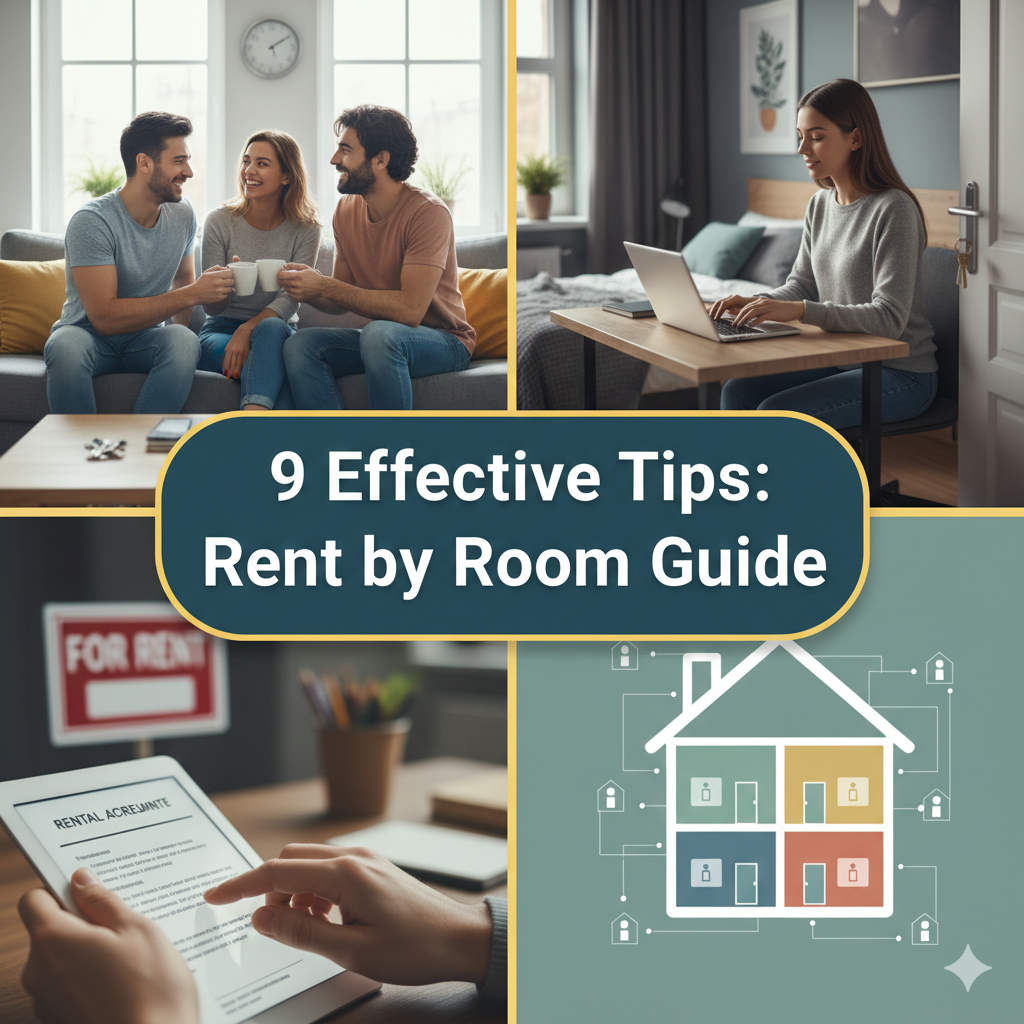
Housing is likely your largest monthly expense. And when you’re paying for an entire apartment or house by yourself, a massive portion of your paycheck vanishes before you even get to enjoy it.
Here’s the thing — it doesn’t need to be like that.
Renting by room is one of the best money moves you can make right now. It’s simple: instead of paying full rent for a place alone, you share a house and split the costs. It can slash your housing bill by 30%, 40%, even 50% or more if done correctly.
This rent by room guide breaks down 9 tried and tested tips that actually work. Whether you’re the one renting a room or renting rooms out, these strategies will help you save money quickly — and steer clear of the expensive blunders most people make.
Let’s get into it.
Why Renting by Room is a Smart Financial Move
Before the tips, here’s a look at the numbers. Because the savings here are really something else.
The Real Cost Difference
| Housing Situation | Monthly Cost (Average) | Annual Cost |
|---|---|---|
| Solo 1-bedroom apartment | $1,500 – $2,200 | $18,000 – $26,400 |
| Rent one room in a shared home | $600 – $1,000 | $7,200 – $12,000 |
| Rent out spare rooms (as landlord) | Earn money | Save or earn thousands |
The difference is staggering. Someone who lives alone and pays $1,800/month for rent spends $21,600/year on rent alone. A person renting a room for $750/month pays only $9,000. That’s $12,600 each year back in your pocket.
That money could be used to eliminate debt. Build an emergency fund. Fund a vacation. Or simply breathe more easily each month.
This rent by room guide is intended to help you make that transition — smartly and confidently.
Tip #1 — Know Your Local Market Before You List Anything
The number one rule in this rent by room guide is simple: do your research.
Set a price too high and the room sits empty for weeks. Price it too low and every month you’re leaving actual dollars on the table.
Finding Out What to Charge Renters
Try these platforms to get an idea of room prices near you:
- Facebook Marketplace — one of the most active room rental markets
- Craigslist — still relevant, especially in big cities
- Zillow & Apartments.com — helpful for establishing baseline comparisons
- SpareRoom & Roomies.com — dedicated room rental platforms
- Furnished Finder — ideal for furnished rooms and travel nurses
Search for rooms within a 2-mile radius of your location. Pay attention to the price range, what’s included (utilities, WiFi, laundry) and how the rooms are described.
Price Factors That Change Everything
| Factor | Effect on Price |
|---|---|
| Private bathroom | +$100–$200/month |
| Furnished room | +$75–$150/month |
| Utilities included | +$80–$150/month |
| Near transit or university | +$50–$200/month |
| Private entrance | +$75–$125/month |
Once you understand the market, you can price competitively — or know what to expect if you’re renting.
Tip #2 — Write a Room Listing That Actually Gets Responses
Most room listings are boring. They say “room for rent, $800/month, call if interested.” That’s it.
And then people wonder why no one reaches out.
A good listing is the difference between filling a room in three days and filling one in three weeks. Having a strong listing is key to making this rent by room guide work for you.
What Every Good Room Listing Needs
A clear, benefit-driven headline. Avoid saying “Room for Rent.” Instead post something like “Spacious Private Room — Utilities Included — 5 Min Walk to Train Station.”
Real photos. This is the biggest factor. Clear, well-lit shots of the room, bathroom, kitchen and common areas. Natural light is your best friend. Take at least 6–8 photos.
Honest details. Square footage, furnished or unfurnished, utilities included, house rules, lease terms and move-in date.
A brief description of the household. Is it quiet? Pet-friendly? Do roommates work from home? Renters want to imagine their life there before they apply.
A clear call to action. Be specific about what you want them to do next — “Send me a message with a quick intro and your move-in date.”
Listing Platforms Ranked by Effectiveness
| Platform | Best For | Cost |
|---|---|---|
| Facebook Marketplace | Local renters, quick replies | Free |
| Furnished Finder | Travel nurses, short-term renters | Paid (landlord) |
| SpareRoom | Young professionals | Free basic listing |
| Craigslist | High-volume inquiries | Free |
| Roomies.com | Roommate matching | Free |
Post on at least two to three platforms simultaneously. More visibility means faster results.
Tip #3 — Screen Every Potential Roommate Like a Professional

This is the advice most people ignore. And it’s the one that leads to the most costly problems.
A bad roommate can mean unpaid rent, damaged property, endless conflict and months of legal complications. A good roommate is practically invisible — they pay on time, respect the space and make life easier.
This part of the rent by room guide has the power to save you thousands in potential losses.
The Roommate Screening Checklist
Step 1 — Pre-screen with an initial questionnaire. Before any in-person meeting, ask:
- Why are you moving?
- What are your working hours?
- Do you smoke, own pets or play music loudly?
- When would you ideally like to move in?
- Can you provide references?
Step 2 — Run a background check. Services such as RentPrep, TransUnion SmartMove or MyRental allow you to run credit and background checks for $25–$45. Worth every cent.
Step 3 — Verify income. A general guideline: a renter’s monthly income should equal at least 3x the monthly rent. Request pay stubs, bank statements or an employment letter.
Step 4 — Check references. Call previous landlords. Ask one simple question: “Would you rent to this person again?” The answer tells you everything.
Step 5 — Conduct a brief in-person or video chat. Trust your instincts. If something seems wrong, it probably is.
Red Flags to Watch For
- Reluctant to provide ID or references
- Wants to skip a lease or written agreement
- Pushes to move in immediately with no screening
- Vague or inconsistent answers about income
- Negative about every previous living situation
Tip #4 — Always Use a Strong Room Rental Agreement
A handshake deal is not a plan. It is a disaster waiting to happen.
A written room rental agreement protects both parties. It outlines expectations before conflict has a chance to arise. If something goes wrong — and it sometimes does — you have something to fall back on.
This step is among the most important in any rent by room guide. For more detailed templates and legal guidance specific to room rentals, Rent by Room Guide is a helpful resource worth bookmarking.
What Your Room Rental Agreement Should Cover
| Section | What to Include |
|---|---|
| Names & property address | Full legal names and address |
| Rent amount & due date | Exact dollar amount, due date, late fee |
| Security deposit | Amount, conditions for return |
| Lease term | Start date, end date or month-to-month |
| Utilities | Who pays what |
| House rules | Guests, noise, pets, smoking, cleaning |
| Termination clause | Notice required to end agreement |
| Shared space usage | Kitchen, laundry, parking |
LawDepot, Rocket Lawyer and LegalZoom offer free templates. For just a couple of dollars, you can purchase a state-specific template that covers everything you need.
Both parties should sign, date and keep a copy.
Tip #5 — Set Up a Fair Utility-Splitting System From the Start
Arguments about money between roommates almost always come down to utilities. Someone uses more electricity. Someone takes 45-minute showers. Someone cranks the heat all night.
Establishing a clear and fair system from the start eliminates about 90% of these disputes.
Three Common Utility Splitting Methods
Method 1 — Equal Split Split all utilities equally, regardless of how much each person uses. Simple and drama-free. Best for roommates whose habits are similar.
Method 2 — Per Room Split Larger rooms or private bathrooms pay a slightly higher share. Fair when rooms differ in size or amenities.
Method 3 — Usage-Based Split Track actual usage where possible. More precise but takes more effort. Works well with smart meters.
Apps That Simplify Bill Splitting
| App | Best Feature | Cost |
|---|---|---|
| Splitwise | Tracks who owes what | Free |
| Venmo | Instant payment requests | Free |
| Zelle | Direct bank transfers | Free |
| PayPal | Good for larger amounts | Free (basic) |
Pick one app. Agree on it together. Use it consistently.
Set a recurring reminder — bills are submitted and paid by the same date every month. No chasing. No awkward conversations.
Tip #6 — Furnish Wisely to Attract Higher-Paying Renters
If you’re renting out a room, what’s inside it is just as important as the room itself.
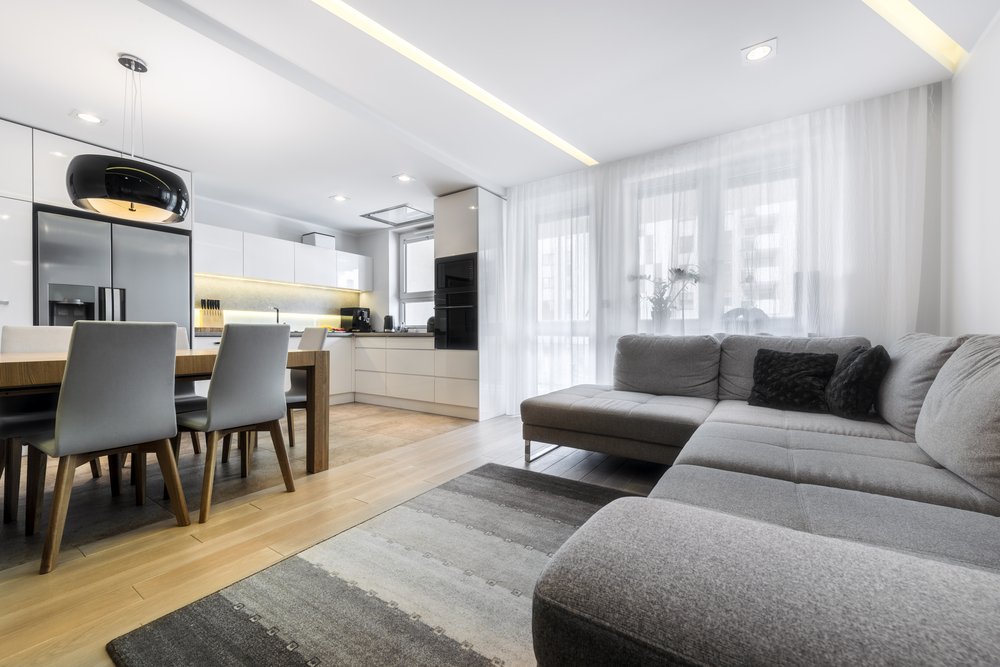
A bare room with only four walls and carpet will attract the lowest offers. A clean, furnished room with thoughtful details will draw serious renters who are willing to pay more — and stay longer.
What Renters Really Want in a Furnished Room
- A comfortable bed and mattress — non-negotiable
- Storage space — closet, dresser or wardrobe with hangers
- Desk and chair — especially important for remote workers and students
- Good lighting — a bedside lamp and overhead lighting
- Fast WiFi — now considered a basic utility by most renters
You don’t have to break the bank. According to Consumer Reports, shopping secondhand and at budget retailers can cut furnishing costs significantly. A room can be furnished nicely via Facebook Marketplace, IKEA and thrift stores for $300–$600 total.
Furnished vs. Unfurnished: The Price Impact
| Room Type | Average Monthly Rent | Typical Vacancy |
|---|---|---|
| Unfurnished room | $650 – $900 | Longer to fill |
| Furnished room | $800 – $1,100 | Fills faster |
| Furnished + utilities included | $950 – $1,300 | Fills fastest |
The extra $150–$200/month from a furnished room totals $1,800–$2,400 per year. The furniture pays for itself within months.
Tip #7 — Keep Vacancy Periods Short With These Tactics
Every week a room sits empty is money gone forever. You can’t get that back.
Serious landlords in this rent by room guide scenario treat reducing vacancy as a top priority — and it should be.
How to Cut Your Room Vacancy to Almost Zero
Start marketing 30–45 days before the room is available. Renters typically start searching 3–5 weeks before their move date. If you wait for the room to be empty, you’re already behind.
Respond to inquiries within 2 hours. Studies show that response time is one of the top factors renters use to judge a landlord’s reliability. Slow responses lose leads fast.
Offer flexible lease terms. Month-to-month leases bring in more applicants than rigid 12-month leases. You can charge a little more for the flexibility — and renters will usually accept it.
Keep the room clean and ready to show at any time. Messy showings lose rentals. Period.
Build a waitlist. When a room fills up, ask interested applicants if they’d like to be first to know when the next room opens. Over time, this waitlist fills vacancies before you even need to advertise.
Tip #8 — Know Your Rights and Responsibilities as a Room Renter
Knowing the rules protects you, whether you are renting a room or renting one out.
Most people skip this step. Then they find themselves in situations they don’t know how to handle — and sometimes lose money because of it.
Key Rights for Room Renters (Tenants)
- The right to a safe and habitable living space (heat, hot water, no mold)
- The right to privacy — a landlord must typically give 24–48 hours notice before entering your room
- The right to a refunded security deposit if you leave the room in good condition
- The right to a written agreement outlining your responsibilities
Key Responsibilities for Room Landlords
- Maintaining the property in a safe and habitable condition
- Respecting tenant privacy
- Giving adequate notice before entering occupied rooms
- Returning security deposits within the legally required timeframe (which varies by state or country)
- Following local eviction laws — you cannot remove a tenant without going through the proper legal process
Where to Find Local Rental Laws
| Resource | What It Covers |
|---|---|
| Nolo.com | State-by-state tenant rights in plain English |
| HUD.gov | Federal fair housing laws (USA) |
| Local housing authority website | City and county-specific rules |
| Citizens Advice (UK) | UK rental rights and laws |
Invest 30 minutes in reading your local rental laws. That is an extremely worthwhile use of time.
Tip #9 — Have a Clear Plan for the Money You Save
This is the tip that transforms short-term savings into lasting financial change.
Renting by room frees up real money every month. But if that money simply disappears into random spending, you’ve missed the entire point.
The final tip in this rent by room guide is about being intentional with the savings you create.
A Simple Monthly Savings Plan for Room Renters
| Monthly Savings from Renting by Room | Allocated To | Result in 12 Months |
|---|---|---|
| $500 | Emergency fund | $6,000 saved |
| $300 | Debt repayment | $3,600 paid off |
| $200 | Investments or savings account | $2,400 invested |
| $1,000 total | — | $12,000 difference in one year |
That’s the true strength of this strategy. The savings don’t just allow you to get by — they allow you to get ahead.
Simple Steps to Lock In Your Savings
Automate it. Schedule an automatic transfer the day you get paid. You never see the money, so you never miss it.
Name your savings account. Call it “House Fund” or “Freedom Fund.” Research shows that named accounts are more difficult to raid on impulse.
Track your progress monthly. Apps like YNAB, Mint or a simple spreadsheet keep you honest and motivated.
One year of intentional saving through a rent by room arrangement can genuinely change your financial situation.
The Full Rent by Room Guide at a Glance
| Tip | Key Action | Potential Savings or Benefit |
|---|---|---|
| 1. Know your market | Research local room prices | Price right, earn or pay correctly |
| 2. Write a strong listing | Great photos + clear details | Rooms fill faster |
| 3. Screen roommates | Background checks + references | Avoid costly bad tenants |
| 4. Use a written agreement | Put all terms in writing | Avoid legal and money disputes |
| 5. Split utilities fairly | Agree on method + use an app | Eliminate roommate disputes |
| 6. Furnish wisely | Invest in key furniture pieces | Earn extra $150–$200/month |
| 7. Reduce vacancy | Advertise early, respond fast | Never lose money to empty weeks |
| 8. Know your rights | Read local rental laws | Protect yourself legally |
| 9. Plan your savings | Automate and allocate | $12,000+ difference in one year |
FAQs About Renting by Room
Q: Is it legal everywhere to rent by room? In most places, yes — although local zoning laws and lease agreements may limit it. Always verify your city’s local housing regulations and your current lease before renting out a room. Some cities require a landlord permit even for room rentals.
Q: What can I realistically save by renting a room rather than a solo apartment? Depending on city and circumstances, the average person saves around $500–$1,200 per month. In expensive cities like New York, San Francisco or London, the savings can be even more significant.
Q: Do I need a separate lease for each roommate? It is a good idea to have individual room rental agreements for each roommate rather than a single shared lease. This makes the legal side cleaner if one person needs to leave while others stay.
Q: What is a security deposit used for? A security deposit typically covers unpaid rent, damage beyond normal wear and tear, and cleaning fees if the room is left in poor condition. The amount is usually equal to one month’s rent.
Q: Can I rent out a room if I’m a renter myself (subletting)? You can — but only if your lease permits subletting and your landlord provides written approval. Subletting without permission can result in eviction, so always ask first.
Q: What do I do if a roommate stops paying rent? Address it immediately and in writing. Send a written notice of the missed payment. If the problem continues, follow your local eviction or removal process — do not attempt to remove someone’s belongings or lock them out without going through proper legal procedures.
Q: What’s the quickest way to find a trustworthy roommate? Facebook groups, SpareRoom and referrals from people you trust tend to produce the most reliable leads. Always screen thoroughly regardless of how a lead came to you.
Q: Should utilities be included in the room rent price? Including utilities simplifies things for both parties and allows you to charge a little more per month. It’s particularly appealing to short-term renters and students. Just make sure you build a realistic buffer into the price to account for fluctuating bills.
The Bottom Line
Renting by room is one of the most practical, most accessible ways to take control of your housing costs right now. No investment needed. No special skills required. Just a clear plan and the willingness to share space intelligently.
This rent by room guide has provided nine real, proven tips for making it work — from pricing and listing to screening, agreements, utilities, furnishing, reducing vacancy, knowing your rights and saving intentionally.
The savings are real. The process is learnable. And the financial difference after just one year is hard to dispute.
Start with one tip this week. Explore your local room rental market. Write a strong listing. Or simply open a savings account and name it for your goal.
Small steps taken with a smart plan add up to a truly different financial life — sooner than you think.