Things May Be Going Well — or Not
You came across a listing that seems ideal.
Great location. Affordable price. Nice photos.
You’re prepared to make that deposit.
But wait.
Every year, thousands of renters lose money — sometimes thousands of dollars — because they acted too quickly. They skipped steps. They trusted the wrong person. They didn’t know what to look for.
Renting a room in a big city is one of the best ways to save money and afford to live. But there are real risks that come with it if you don’t know how to stay safe.
This rent by room guide is tailored specifically to safety. Not only financial safety — but physical safety, legal safety, and personal safety as well.
We’ve outlined these 9 tips to rent smarter, steer clear of dangerous scenarios, and confidently navigate every step of the way.
Let’s get started.
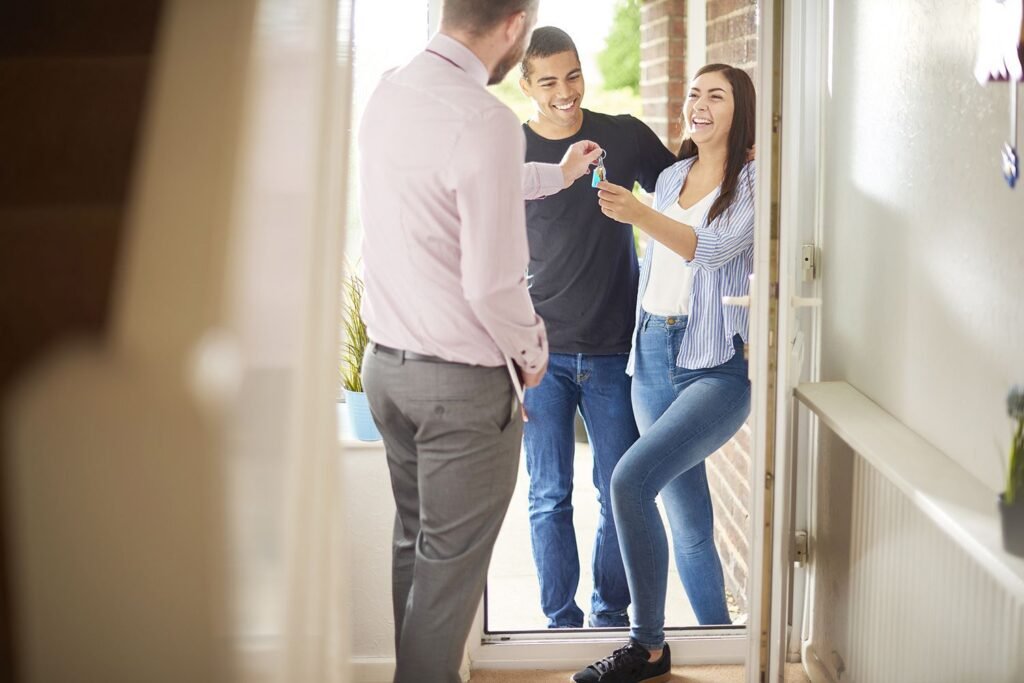
Tip 1: Always Make Sure the Landlord Is Who They Claim to Be
Don’t Trust a Name — Check It
Anyone can list a room online. That does not mean they actually own the property.
Scams involving landlords impersonating real ones are more common than a lot of people know. Someone leases a property, markets it as their own, takes deposits from multiple people — and vanishes.
A few quick checks could help you avoid this.
How to Check a Landlord’s Identity
Check property ownership records. Public property records are available online for most counties in the U.S. Check your county’s assessor or recorder website. Type in the address and find out who it’s listed under. If the name doesn’t match, ask why.
Ask for a government-issued ID. A legitimate landlord will not have an issue showing you their ID. If they refuse, that’s a red flag.
Search their name and number online. Google the landlord’s name, email address, and phone number. Search for reviews, complaints, or signs that something is wrong.
Call the property management company. If the listing states that it’s managed by a company, call the company directly — not the number on the listing — and confirm.
Landlord Verification Checklist
| Step | How to Do It |
|---|---|
| Check property ownership | County assessor/recorder website |
| Verify identity | Ask for government-issued ID |
| Search online | Name, email, and phone number |
| Confirm management | Call the company directly |
| Cross-check listing | Search the address on multiple platforms |
This may take 20 minutes but it can save you from losing hundreds — or in some cases thousands — of dollars.
Tip 2: Never Pay a Deposit Until You Have Seen the Property
This One Rule Could Save You From the Most Common Scam
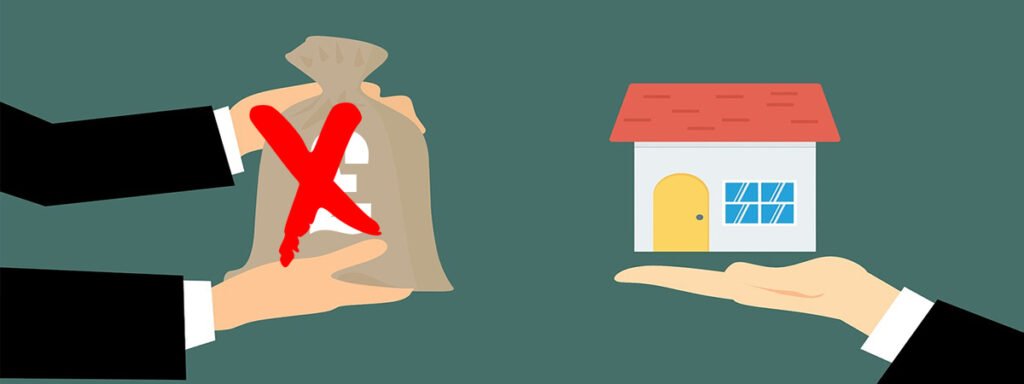
The number one scam in the rent by room world is very simple.
Someone posts a beautiful listing. You ask about it. They say the room is very popular and going fast. They request a deposit to reserve it. You pay. They vanish.
It happens every single day.
The rule is non-negotiable: never send money before you’ve seen the room.
What Does It Mean to “See the Room”
In-person viewing is always best. Walk through the space. Check that it actually exists. Meet the landlord or current tenants in person.
If you’re moving from another city or country, a live video call is the bare minimum. Not pre-recorded photographs or a YouTube tour — a live, real-time video where you can ask them to point out particular things.
Payment Methods That Signal a Scam
If a landlord asks you to pay using these, be extremely careful:
- Wire transfers — virtually impossible to get back
- Gift cards — a classic scam method
- Cryptocurrency — difficult to trace and non-refundable
- Cash apps like Zelle or Venmo to a stranger — little buyer protection
Legitimate landlords will offer traceable payment methods, such as checks, bank transfers to a verified account, or secure rental platform payments.
Tip 3: Always Get Everything in Writing — Every Single Time
If a Dispute Arises, Verbal Promises Mean Nothing
Your landlord says utilities are included. They say you can invite guests on weekends. They promise to fix the broken heater before you move in.
But none of it is in writing.
When something goes wrong — and in shared housing, something inevitably does — you have no evidence. No recourse. No protection.
This rent by room guide cannot stress this enough: if it isn’t written down, it doesn’t exist.
What Must Be in Writing
The Lease Agreement should include:
- Monthly rent amount and due date
- Security deposit amount and return conditions
- Lease start and end date
- List of included utilities
- Rules about guests, pets, and smoking
- Early termination terms
- Notice period required before moving out
Beyond the Lease, also get in writing:
- Any promised repairs or improvements (with a completion date)
- Any verbal promises made during your walkthrough
- Confirmation of what furniture or appliances are included
An ordinary email exchange serves as written documentation. Just ensure it is clearly dated and from their verified contact.
Lease vs. No Lease: What’s at Stake
| With a Signed Lease | Without Any Lease |
|---|---|
| Legal protection for both parties | No legal standing in disputes |
| Clear terms for deposit return | Landlord can keep deposit freely |
| Defined notice period | Can be asked to leave anytime |
| Easy to prove you lived there | Hard to prove tenancy |
| Grounds to report violations | Limited options if mistreated |
Never move into a room without signing a written agreement. No exceptions.
Tip 4: Assess the Physical Safety of the Property
Your Home Is Meant to Keep You Safe — Not Endanger You
Many renters think strictly about the price and the vibe of a place. But physical safety matters just as much.
When you tour a property — either in person or on video — you’re not just checking out how nice it looks. You’re looking at how safe it really is.
Physical Safety Checklist for Room Renters
Locks and entry points:
- Does the front door have a working deadbolt?
- Does your bedroom door have a lock?
- Are windows lockable, especially on the ground floor?
- Are there security cameras in common areas?
Fire safety:
- Are there working smoke detectors in the unit?
- Is there a carbon monoxide detector?
- Where are the fire exits?
- Is there a fire extinguisher accessible?
General condition:
- Any signs of mold or water damage on walls or ceilings?
- Are electrical outlets in good condition (no exposed wires)?
- Is there adequate heating and cooling?
- Any signs of pests or rodents?
Neighborhood safety:
- Is the building well-lit at night?
- Is the entrance area visible and not isolated?
- Are there security features like an intercom or key fob system?
If a landlord dismisses your safety concerns or refuses to fix obvious hazards before you move in — walk away. A responsible landlord takes tenant safety seriously.
Tip 5: Do Your Homework About the Neighborhood Before Committing
The Room Is Safe — But What About the Street?
Even the nicest room can create problems if it’s located in an unsafe neighborhood. Neighborhood safety affects your daily life in very real ways.
Here’s how to do your homework before you sign anything.
Tools to Check Neighborhood Safety
CrimeMapping.com — Displays recent crime incidents on an interactive map by address.
NeighborhoodScout.com — Offers comprehensive crime ratings and neighborhood comparisons.
Local police department websites — Most publish annual crime statistics broken down by district or precinct.
Google Street View — Walk the virtual street at different times (you can also view historic imagery). Observe the condition of buildings, lighting, and general environment.
Reddit — Check the city subreddit and message locals. There’s usually no one better to ask about areas to avoid.
Go in person at night — This is the most underrated advice. A neighborhood can seem fine in daylight and feel completely different after dark. Go see it for yourself.
Neighborhood Safety Comparison Table
| Research Method | What It Tells You | Free? |
|---|---|---|
| CrimeMapping.com | Recent local crime incidents | ✅ Yes |
| NeighborhoodScout | Crime ratings and trends | Partial |
| Police department data | Annual crime statistics | ✅ Yes |
| Google Street View | Visual environment check | ✅ Yes |
| Reddit community | Honest local opinions | ✅ Yes |
| In-person night visit | Real feel of the area | ✅ Yes |
At least three of these methods should be used before considering any room.
Tip 6: Know Your Rights as a Tenant Before You Sign Anything
You’re More Protected Than You Think
Many renters — especially people renting for the first time — have no idea how many legal protections exist for them. Even if you’re renting just one room in a shared space, your rights remain.
Knowing those rights before you sign is one of the most powerful things you can do.
Core Tenant Rights That Apply to Room Renters
Right to a habitable space. Your landlord is legally obligated to provide a home that meets minimum standards of health and safety. This includes working heat, clean water, no dangerous mold, and no pest infestations.
Right to privacy. In most U.S. states, a landlord must give you 24 to 48 hours of advance notice before entering your rented room — except in true emergencies.
Right to a safe deposit refund. There are strict rules about when and how a landlord can keep your security deposit. Most states require them to return it within 14 to 30 days after you move out, along with an itemized list of any deductions.
Right to fair treatment. The Fair Housing Act bars landlords from discriminating on the basis of race, religion, national origin, sex, disability, or family status.
Right against illegal eviction. A landlord cannot legally kick you out without proper notice and due process — even if they claim you’ve broken the lease.
Where to Learn Your Local Rights
- HUD.gov — Federal housing rights and resources
- Rent by Room Guide — Real-world tips and recommendations for shared living situations
- Your state’s Attorney General website — State-specific tenant laws
- Legal Aid Society — Free legal help for tenants who cannot afford a lawyer
- Tenant Union or local housing advocacy group — Community-based support
Spend 30 minutes learning your rights before you rent. It’s time well spent.
Tip 7: Screen Your Roommates — Yes, Really
Living With a Stranger Comes With Its Own Risks
When you rent a room in a shared space, you are not only selecting a location. You’re selecting who you live with.
Roommate situations gone wrong are among the most common sources of stress, financial loss, and even safety issues for room renters.
The good news is that even a little screening can make a big difference.
How to Screen a Potential Roommate
Have a real conversation first. Before you commit to anything, spend at least 30–60 minutes chatting — either in person or on a video call. Get an authentic feel for their personality, lifestyle, and expectations.
Ask direct questions:
- What are your typical work or school hours?
- What do you normally do when conflict arises?
- How do you feel about overnight guests?
- How do you feel about smoking or drinking at home?
- Do you keep shared spaces clean and tidy?
- Have you rented with roommates before?
Check their social media. This isn’t about being nosy. It’s about getting a more complete picture of who this person is. Watch for clear red flags like aggressive online behavior or posts that suggest a very incompatible lifestyle.
Ask for references. Just as a landlord might request yours — it’s entirely reasonable to ask a prospective roommate for a reference from a previous landlord or roommate.
Trust your instincts. If something feels off during your conversation — even if you can’t pin down exactly what — trust that feeling. You’re going to live with this person. Your comfort and safety matter.
Roommate Compatibility Quick Check
| Topic | What to Ask |
|---|---|
| Schedule | Work/school hours, sleep schedule |
| Cleanliness | How they handle shared chores |
| Guests | Overnight visitors, parties |
| Noise | Music, TV, calls at night |
| Finances | Can they reliably pay their share? |
| Conflict | How do they deal with disagreements? |
Tip 8: Protect Your Personal Belongings From Day One
A Lock on the Front Door Isn’t Enough
When you live in a shared space, your belongings are exposed to more people than they would be if you lived alone. That includes roommates, their guests, maintenance workers, and anyone else with access to the property.
That doesn’t mean you should expect the worst from everyone. It simply means being smart about protecting what’s yours.
Practical Ways to Protect Your Belongings
Get a bedroom door lock. If your room does not already have one, ask the landlord if you can install a lock. Many will say yes. Some leases even require landlords to provide one. Keep it locked when you’re not home.
Get renter’s insurance. This is one of the most critical — and most overlooked — safety steps a room renter can take. Renter’s insurance covers your personal property from theft, fire, and water damage. Policies typically cost between $10 and $20 a month. That’s extremely affordable peace of mind.
Don’t leave valuables in common areas. Laptops, wallets, jewelry, and important documents should stay in your locked room — not on the kitchen counter or living room couch.
Keep important documents secure. Passport, Social Security card, lease agreement, bank statements — store these in a secure folder in your room or a locked box.
Be mindful of who enters your space. You have the right to privacy in your rented room. If a roommate, their guest, or a maintenance person enters without permission — address it directly and document it.
Renter’s Insurance: Is It Worth It?
| Factor | Details |
|---|---|
| Average monthly cost | $10 – $20 |
| What it covers | Theft, fire, water damage, liability |
| Is it required? | Not always, but highly recommended |
| Time to get covered | Often under 10 minutes online |
| Worth it? | Absolutely yes |
Tip 9: Have an Exit Plan Before You Move In
What If Things Go Wrong?
Most renters go in with the best of intentions. That’s a good thing.
But the savviest renters also think ahead. What if the landlord turns out to be dishonest? What if a roommate becomes threatening? What if the living conditions deteriorate?
Having an exit plan doesn’t mean expecting failure. It means being prepared.
What a Good Exit Plan Looks Like
Know your lease terms. Understand exactly what your early termination clause says. Is there a penalty? How much notice do you need to give? Can you sublet your room to someone else if you need to leave?
Keep copies of all your documents. Store digital copies of your lease, your deposit receipt, any communication with your landlord, and any photos you took of the property when you moved in. Keep them somewhere the landlord cannot access — like your personal email or a cloud storage account.
Document the room’s condition when you move in. Take photos and videos of everything — walls, floors, appliances, any pre-existing damage. Date-stamp them. This protects your deposit when you leave.
Know who to call if things go wrong:
- Local police — for immediate safety concerns
- Your city’s housing authority — for habitability violations
- Legal Aid Society — for tenant rights violations
- State Attorney General — for scams or fraud
Have a backup housing option. It doesn’t have to be a fully formed plan. Just know who you could stay with if you had to leave quickly. A friend, a family member, or a short-term rental option.
Emergency Contact Reference for Renters
| Situation | Who to Contact |
|---|---|
| Immediate physical danger | Local police (911) |
| Habitability violation | City housing authority |
| Deposit not returned | Small claims court |
| Discrimination | HUD Fair Housing office |
| Lease dispute | Legal Aid Society |
| Scam or fraud | State Attorney General |
Your Complete Safety Checklist for Rent by Room
Before you move into any shared room, run through this full checklist:
✅ Verified the landlord’s identity and confirmed property ownership ✅ Seen the room in person or on a live video call ✅ Never paid any deposit before viewing ✅ Read and signed a written lease agreement ✅ Checked the physical safety of the property ✅ Researched the neighborhood using multiple trusted sources ✅ Learned your basic tenant rights ✅ Screened potential roommates ✅ Arranged renter’s insurance ✅ Documented the room’s condition with photos and video ✅ Kept copies of all important documents ✅ Identified who to contact in case of emergencies
If you can tick off every box on this list, you’re in a much stronger and safer position than the average renter.
FAQs: What to Know When You Rent by Room
How do I know if a room rental listing is fraudulent?
Be alert for prices that are unusually low for the area, landlords who refuse to meet in person or via live video call, requests to pay by wire transfer or gift cards, and pressure to make a quick decision. If several red flags appear in the same listing, it’s almost certainly a scam. Always cross-check a listing on multiple platforms and never pay without seeing the property.
Is it safe to rent a room from a private landlord?
Yes, many private landlords are completely legitimate and trustworthy. The key is to verify their identity, check property ownership records, get everything in writing, and meet them in person or on video before paying anything. Private landlords can actually be more flexible and easier to work with than large property management companies.
What should I do if my landlord entered my room without notice?
First, document the incident — write down the date, time, and what happened. Then speak to your landlord directly and remind them of their legal obligation to give advance notice. If it continues, contact your local tenant rights organization or housing authority. In many states, unauthorized entry is a violation of your rights as a tenant.
Can my landlord evict me from a rented room without warning?
No. Even in shared housing, landlords must follow proper legal eviction procedures. They are generally required to give you written notice — usually 30 days or more depending on your state — before you are legally required to leave. If a landlord attempts a physical eviction or changes the locks without going through the legal process, contact local authorities immediately.
What do I do if my roommate steals from me?
If a roommate steals from you, report it to the police and file a report. If you have renter’s insurance, reach out to your provider as your belongings may be covered. Document what was taken and any evidence you have. You may also have grounds to pursue the matter in small claims court, depending on the value of what was stolen.
Do I need renter’s insurance if I’m only renting a room?
Yes — perhaps even more so than if you were renting a full apartment. In a shared space, your belongings are exposed to more people and more situations. Renter’s insurance is relatively inexpensive (generally $10–$20/month) and protects your personal property from theft, fire, and water damage. It also usually includes liability coverage, which is useful in shared living environments.
What is the safest way to pay a security deposit?
Always pay via a traceable method — a personal check, a bank transfer to a verified account, or through a secure rental platform. Get a written receipt immediately. Never pay in cash, gift cards, cryptocurrency, or wire transfers to someone you have never met in person. Keep records of every payment you make.
The Bottom Line: Make Safe Renting Part of Your Process
There’s no landlord, no app, and no website that can fully protect you when you rent a room.
But you can protect yourself.
That’s precisely why this rent by room guide exists — to equip you with the knowledge and tools to make smart, safe decisions throughout the entire journey. From the first listing you click on to the moment you hand back the keys.
It’s not paranoid to want to stay safe when you rent. It’s about being prepared.
Verify before you trust. Document before you sign. Research before you move. And know your rights before anyone tries to exploit them.
The right room is out there. And now you know exactly how to find it — safely.