
Housing costs are climbing. Wages aren’t keeping up. And for millions of renters, living comfortably without emptying their wallets seems more out of reach than ever.
But here’s the thing — affordable housing is still within reach. You just have to know how.
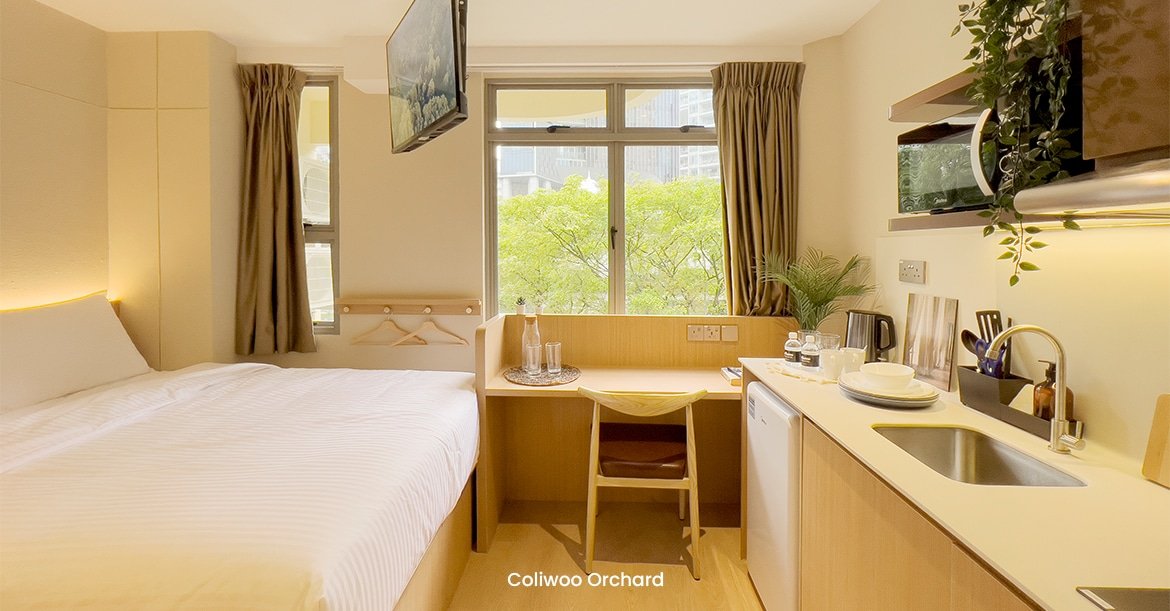
The best solution for renters today lies in renting by room. It allows you to slash your housing bill with no — or very little — decline in the quality of your home, its neighborhood and the company in which you’ll find yourself.
This rent by room guide provides 11 tips to help you live without breaking the bank — but still be comfortable and safe. Whether you’re renting a home for the first time or want to cut back on what you’re already spending, this guide includes tips for everything in between.
Let’s start from the top.
How Renting by Room is Financially Logical Right Now
Before we get into the tips, here’s a look at why this approach is gaining so much traction.
Depending on the city, a one-bedroom apartment in the US now costs between $1,500 and $2,500 per month. For many, that’s 40% to 50% of their total monthly income — a far cry from the recommended 30% housing-to-income ratio.
When renting by room, that equation is flipped.
| Housing Type | Average Monthly Cost | % of $50K Salary |
|---|---|---|
| Solo one-bedroom apartment | $1,500 – $2,500 | 36% – 60% |
| Room rental (shared home) | $500 – $1,000 | 12% – 24% |
| Co-living space | $700 – $1,200 | 17% – 29% |
The numbers speak for themselves. Renting by room brings your housing cost back into a healthy range — and puts real money back in your pocket every month.
Tip 1: Establish a Real Budget Before You Go House Hunting

Many people begin scrolling through rooms before they have established a budget. That’s backwards.
When there’s no concrete number on the table, it can be easy to get drawn toward rooms with aesthetic appeal that don’t fit your budget. Drill down the numbers before you open a single listing.
How to Create Your Rental Budget
Begin with your net monthly pay. Then use the 30% rule — your total housing cost should be no more than 30% of your monthly income.
For example:
- Monthly take-home: $3,000
- Maximum housing budget: $900
But don’t stop there. Everything should be in your budget, not just basic rent.
| Expense Category | Estimated Monthly Cost |
|---|---|
| Base rent | $500 – $900 |
| Utilities (if not included) | $80 – $150 |
| Internet | $30 – $60 |
| Renter’s insurance | $10 – $20 |
| Laundry | $15 – $30 |
| Total Estimated Cost | $635 – $1,160 |
Having a real number before you start your search keeps your priorities in check and shields you from overspending.
Tip 2: Choose Your City and Neighborhood Wisely
Your price matters, but where you live is equally important.
A cheap room in a bad neighborhood can saddle you with hidden costs — longer commutes, higher transport fares, safety problems or poor access to grocery shops and essential services.
Neighborhoods Worth Targeting
Consider finding a room in a place with:
- Good public transit connections — Reduces or eliminates car expenses
- Walkable streets — Access to shops, restaurants and services within walking distance
- Lower crime rates — Check local police data or crime mapping sites like SpotCrime
- Proximity to employment centers — Reduces time and cost of commuting
- Emerging neighborhoods — Not as expensive as established areas, but still safe and developing
A room that is $100 cheaper but incurs an extra $150 in commuting expenses will end up being more expensive. Always consider the complete monthly picture — not just the rent figure.
Tip 3: Find Rooms on the Right Platforms
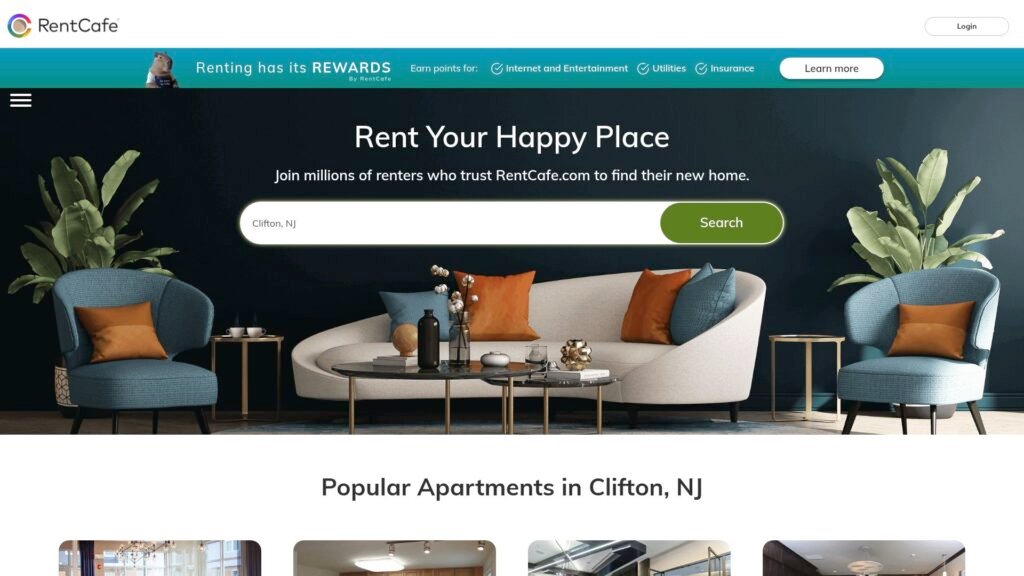
All room rental platforms are not created equal.
Some are flooded with scams. Others have outdated listings. Knowing which platforms to trust saves you time and keeps you safe.
Top Platforms to Search for Rooms to Rent
| Platform | Best For | Cost |
|---|---|---|
| SpareRoom | Room rentals in US and UK | Free basic / paid features |
| Roomies.com | Room / roommate matching | Free |
| Facebook Marketplace | Local listings, direct contact | Free |
| Zillow / Apartments.com | Verified listings, large inventory | Free |
| Craigslist | Budget options, wide variety | Free (use caution) |
| Bungalow / Common | Co-living, managed rooms | Paid — all-inclusive |
Safety tip: Always confirm listings before sending any money. Never pay a deposit without viewing the property — in person or via live video call. Do a reverse image search on the photos to look for scams.
Tip 4: Know Exactly What to Ask Before Committing
Walking into a room viewing without prepared questions is a common mistake.
You’ll hear plenty from the landlord or current tenants. But they will not always volunteer the details you most care about unless you ask them directly.
Questions to Ask Before Signing
About the costs:
- What is the total monthly cost including utilities, internet, and parking?
- Are utilities capped or variable?
- Is there a security deposit? How much, and when can it be returned?
About the living situation:
- How many people live in the property?
- What are the house rules regarding guests, noise and cleanliness?
- Who cleans shared spaces?
About the lease:
- What is the shortest lease term?
- How long do you need to give notice to move out?
- Are there early-exit penalties?
Write your questions down before the viewing. It takes five minutes and could spare you a very expensive surprise down the road.
Tip 5: Always See It in Person
Photos can hide a lot.
A room that appears bright and spacious in photographs may turn out to be cramped, damp or poorly maintained in real life. Never commit to a room you haven’t seen with your own eyes — or at the very least, through a live video walkthrough.
The Room Inspection Checklist
Inside the Room
- [ ] Look for damp, mold or water stains on walls and ceiling
- [ ] Check all electrical outlets and light switches
- [ ] Verify window and door locks and security
- [ ] Check for pest signs — droppings, damage or smells
- [ ] Measure the space — will your furniture really fit?
- [ ] Test mobile signal strength and ask about Wi-Fi speed
Shared Areas
- [ ] Is the kitchen clean, functional and well-equipped?
- [ ] Is the bathroom clean with adequate hot water?
- [ ] Are common areas tidy and well-maintained?
- [ ] Is there sufficient storage for all tenants?
Building and External
- [ ] Is the building entrance secure?
- [ ] Is there adequate outdoor lighting at night?
- [ ] What is the parking situation?
- [ ] What are the arrangements for garbage and recycling?
This checklist takes about 15 minutes to complete. Use it every single time.
Tip 6: Read the Lease as If It Were a Legal Document — Because It Is
Not reading the lease is among the most expensive mistakes a renter can make.
A lease is a legally enforceable contract. Every clause in it attaches to you the instant you sign — including the ones you did not notice, read or understand.
The Provisions of a Lease That Matter Most
- Rent and payment terms — When is rent due? Is there a grace period? What are the late fees?
- Utilities and bills — Included or separate? Who sets up and pays for internet?
- Security deposit — How much? What does it take to get it back in full?
- Maintenance responsibilities — What is the landlord responsible for? What falls on you?
- Early termination clause — What if you want to leave before the lease is up?
- Guest policy — Are overnight guests allowed? For how long?
If anything is unclear, request clarification in writing — by email, not just a verbal conversation. A written record protects you if any concerns arise later on.
Tip 7: Negotiate the Rent and What’s Included
This is the tip most renters overlook — and it’s the one that could save you the most money.
Landlords expect negotiation. Particularly after a room has been vacant for some time. A polite, well-reasoned request can save you $50 to $200 a month — without jeopardizing your relationship with the landlord.
What You Can Negotiate
- Monthly rent — Particularly if you’re signing a longer lease or moving in quickly
- Utilities included — Request that electricity, water or internet be factored into the rent
- Parking — Ask for it to be included if parking is available but listed as an extra
- Move-in costs — Request the first month free or a lower security deposit
How to Frame the Negotiation
Don’t say: “Could you reduce the rent?”
Do say: “I’m very excited about the room and I want to commit. Would you consider including utilities in the monthly rate? It would really make it easier for me to decide.”
This framing makes you sound like a serious, reliable tenant — not a difficult one. And it shifts the ask from a price discount to a value conversation.
Tip 8: Choose Roommates Who Align With Your Lifestyle
In shared living, a lot of things can shape your everyday life — but perhaps the most significant influence will be the people you live with.
Even a fabulous room becomes unbearable with the wrong roommate. The right ones can make shared living truly pleasant — and a lot more affordable.
What to Look for in a Potential Roommate
| Factor | Why It Matters |
|---|---|
| Sleep schedule | Night owls and early risers are constantly at odds |
| Cleanliness standards | Different standards cause daily friction |
| Work-from-home habits | Noise levels and space usage become issues |
| Social habits | Frequent guests can affect your privacy and comfort |
| Financial reliability | Late rent payments have implications for everyone |
| Communication style | Open communicators resolve issues faster |
Where to Find Good Roommates
- SpareRoom and Roomies.com — Specialized roommate matching platforms
- Facebook Groups — Search for “[your city] roommates” or “[your city] rooms to rent”
- University notice boards — Great if you’re a student or near a campus
- Work colleagues — Already familiar with reliability and habits
Never agree to live with someone until you’ve done a video call. A 20-minute conversation shows so much more than a text profile.
Tip 9: Keep Shared Costs Fair and Transparent
One of the largest sources of conflict in shared living is money.
More specifically — who pays what, when and how. Without a transparent system, small misunderstandings become huge fights. Getting this right from day one prevents most of the drama.
The Smartest Ways to Split Shared Costs
Option 1: Equal split — Everybody pays an equal share of rent and utilities. Simple and clean.
Option 2: Room-size split — Bigger rooms pay more. Smaller rooms pay less. More fair when rooms aren’t equal.
Option 3: Usage-based split — Internet, streaming services and similar costs are divided based on who uses them.
The Best Apps and Tools for Splitting Bills
- Splitwise — Free app that tracks shared expenses and who owes whom
- Venmo or PayPal — Quick, convenient money transfers between roommates
- A shared Google Sheet — Simple, visible and accessible to everyone
Put the arrangement in writing and have all housemates sign it. This single step avoids the vast majority of shared living finance disputes.
Tip 10: Develop a Strong Bond With Your Landlord
Building a good relationship with your landlord is one of the most underrated money-saving tools in renting.
Reliable, communicative and respectful tenants consistently get treated better at renewal time. That translates to rent freezes, leniency on small matters and priority if a better room opens up in the building.
How to Be the Tenant Every Landlord Wants
- Pay on time, every time — Nothing builds trust as well as consistent, timely payments
- Report issues early — A small maintenance problem reported early is far cheaper to fix than one left to worsen
- Respect the property — Treat it as if it were your own
- Communicate clearly — Inform your landlord of an issue before it becomes a bigger problem
- Give proper notice — Always serve the full notice period when leaving
At renewal time, a landlord who values you as a tenant has every incentive to keep your rent low — or even reduce it slightly — rather than risk vacancy.
Tip 11: Think Long Term — Plan Your Rental Exit Strategy
For the most part, renters focus on getting into a room. Far fewer think about how and when to exit.
But planning your exit in advance gives you greater control, helps save money and allows you to move on your own terms — rather than being pushed out unexpectedly.
Smart Exit Strategies for Rental Properties
- Know your lease end date — Mark it in your calendar 90 days in advance
- Check your notice period — Most leases require written notice 30 to 60 days before vacating
- Start your search early — Begin looking at least 6 weeks before you need to move
- Document the room before you leave — Photograph everything on moving day to protect your security deposit
- Get it confirmed in writing — Agree on the deposit return timeline and conditions with your landlord before handing over the keys
A well-planned exit saves you from overlap costs, lost deposits and last-minute scrambling.
Real Savings Breakdown: What These 11 Tips Can Do for Your Wallet
Let’s put real numbers behind the strategies in this rent by room guide.
Scenario: A renter in a mid-sized US city applies all 11 tips.
| Strategy Applied | Monthly Saving |
|---|---|
| Budget set — avoids overpaying | $100 saved |
| Right neighborhood chosen — less commuting | $90 saved |
| Rent negotiated down | $100 saved |
| Utilities bundled into rent | $150 saved |
| One extra roommate added | $200 saved |
| Shared cost app prevents overcharging | $30 saved |
| Total Monthly Saving | $670 |
| Total Annual Saving | $8,040 |
More than $8,000 saved in just one year — simply by being smarter about how and where you rent.
Frequently Asked Questions (FAQs)
Q1: What is the greatest advantage of using a rent by room guide?
The main benefit is financial certainty. A great guide walks you through every cost, every red flag and every negotiation tactic — so that when you start your rental search, you’re informed and prepared instead of guessing and reacting.
Q2: How much can I realistically save by renting a room instead of a full apartment?
Switching from a solo apartment to shared living can save most renters 40% to 65% on monthly housing costs. In high-cost cities such as New York or San Francisco, the savings can be even greater.
Q3: Is renting by room safe?
Yes — when done properly. Use reputable platforms, always view the property before making a payment, vet your roommates carefully and ensure you have a signed lease agreement. Taking these steps protects you in the vast majority of situations.
Q4: What should be included in a roommate agreement?
A solid roommate agreement should cover the split of rent and utilities, cleaning responsibilities for shared spaces, guest policies, noise rules and what happens if one person wants to leave early. It doesn’t have to be a formal legal document, but it should be written down, signed and accessible to everyone.
Q5: Can I negotiate the rental price even on a single room rental?
Absolutely. Shared-property landlords negotiate just as full-apartment landlords do. If the room has been sitting empty for a while, or you’re offering a longer lease, you have real leverage. Most landlords would prefer to negotiate slightly than let a room go empty.
Q6: How do I handle conflicts with roommates over bills?
To keep things transparent, use a shared expense app like Splitwise. Establish clear ground rules from the beginning, put the terms in writing and tackle issues early instead of allowing them to fester. Most bill conflicts stem from unclear expectations — not bad intentions.
Q7: What’s the best way to get my security deposit back?
Document the condition of the room on both move-in and move-out day with photos and video. Report any pre-existing damage to your landlord in writing as soon as you move in. Give proper notice, leave the room clean and confirm the deposit return timeline with your landlord in writing before handing over the keys.
Q8: Should I choose co-living over a traditional shared room?
It depends on your priorities. Co-living tends to cost a little more but comes with furniture, utilities and sometimes events and community perks. Traditional room rentals are cheaper but involve more self-management. If convenience and flexibility matter more than finding the absolute lowest price, co-living might be worth considering.
Bringing It All Together
Affordable living is not a pipe dream. It is the result of making the right decisions — consistently and intentionally.
This rent by room guide has covered 11 essential tips that span every part of the rental journey. From creating a realistic budget and selecting the right neighborhood, to negotiating your rent, splitting shared costs and planning your exit strategy — each tip is a building block toward a smarter, more affordable living arrangement.
The difference between renters who struggle with housing costs and those who thrive often comes down to preparation and knowledge. Not luck. Not income. Just knowing what to do and when to do it.
Take these tips seriously. Apply the ones most relevant to your situation. And refer back to this guide every time you’re about to make a new rental decision.
Housing costs need not devour your paycheck. With the right approach, renting by room affords you more freedom, greater savings and more control over your financial life — starting with your very next move.