

Stop Overpaying on Housing — There’s a Smarter Way
Whatever it is, housing costs are making people bleed right now.
In most cities, a whole apartment costs students, young professionals and anyone else on a strict budget out of the market. A one-bedroom apartment in the U.S. now costs between $1,200 and $2,500 a month on average — not including utilities.
But here’s what most people don’t realize.
There’s an entirely different way to rent. One that slashes your monthly housing bill by almost 50 percent. One that offers a piece of solitude without the burden of a crushing full-apartment price tag.
It’s called renting by room — and if you follow the right rent by room guide, budget-room-hunting doesn’t have to seem like searching for a needle in a haystack.
This article shares 8 quick, actionable hacks you can use to find inexpensive rooms in a flash, negotiate better prices and avoid the pitfalls that cost most renters extra money each month.
Let’s get straight into it.
Why Budget Room Hunting Doesn’t Work for Most People
But first, let’s discuss why most people have trouble finding good budget rooms in the first place.
If you’re a renter, you’re likely searching for the wrong thing. They scroll past the same two or three websites, glance at overpriced listings and quit in a week. Or worse — they take a bad room at a steep price because they felt pressured.
The problem isn’t the market. The problem is the approach.
A proper rent by room guide flips the script. It provides a system for you — not simply a search bar.
Here’s a look at where the average renter goes wrong:
| Common Mistake | Why It Costs You |
|---|---|
| Only checking one platform | Misses hundreds of hidden listings |
| Not negotiating rent | Pays $50–$150 more per month unnecessarily |
| Skipping background research on landlord | Ends up in a bad living situation |
| Moving in without written agreement | No legal protection if disputes arise |
| Searching without budget ceiling | Gets upsold into unaffordable options |
| Waiting too long to apply | Loses good rooms to faster applicants |
Sound familiar? These are all mistakes that can be fixed — and the 8 tricks below will fix every single one of them.
Trick #1 — Calculate Your Budget Before You Search, Not After

Room first, budget later — that’s what most people do. That’s backwards.
When you search without a solid figure in mind, you gravitate toward listings that look lovely but are overpriced. Listings are optimized to appear enticing. That’s literally their job.
The 30% Myth — Why You Should Break That Rule
The old rule is that no more than 30 percent of your monthly income should go to rent. But in expensive cities, the rule falls apart quickly.
If renting by room, a better target is 20–25% of your take-home income. That leaves plenty left over for food, transport, savings and unexpected costs.
Here’s a quick reference table:
| Monthly Take-Home Income | 30% Rule Max Rent | Smarter Room Budget (25%) |
|---|---|---|
| $1,500 | $450 | $375 |
| $2,000 | $600 | $500 |
| $2,500 | $750 | $625 |
| $3,000 | $900 | $750 |
| $3,500 | $1,050 | $875 |
| $4,000 | $1,200 | $1,000 |
Once you have a solid ceiling, every search is quicker and more focused.
Also factor in what’s included. An $800 room with utilities included can be cheaper than a $700 room where you pay gas, electric and internet separately.
Always work out the all-in monthly cost, not just the rent number in the ad.
Trick #2 — Look Beyond the Big Platforms for Hidden Listings
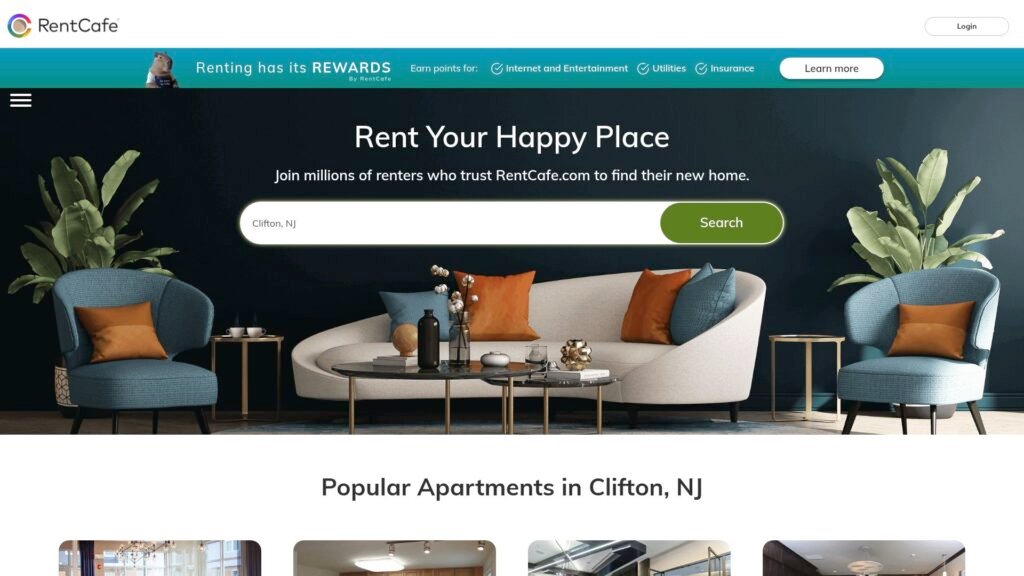
Zillow and Craigslist are good starting points. But they are also the most competitive. Everyone is looking there.
Budget rooms — particularly the good ones — tend to be snapped up before they even reach the main platforms.
Where to Find Rooms Nobody Else Is Looking
Here’s a complete breakdown of platforms and sources totally ignored by most renters:
| Platform / Source | Type | Best For |
|---|---|---|
| Facebook Groups (local) | Social | Immediate, informal listings |
| Nextdoor | Neighborhood app | Hyper-local room listings |
| SpareRoom.com | Dedicated room rental site | Co-living and room shares |
| Roomies.com | Room rental platform | Budget-friendly searches |
| University bulletin boards | Physical/online | Student-friendly affordable rooms |
| Local community centers | Physical | Off-market rooms from older landlords |
| Church/mosque noticeboards | Physical | Trust-based, often cheaper listings |
| Reddit (r/roommates, city subreddits) | Community forum | Real listings from real people |
| WhatsApp/Telegram local groups | Messaging apps | Fast, direct contact with landlords |
Just joining 3–5 local Facebook groups alone can double the amount of listings you get every week.
The important conclusion of any solid rent by room guide is this — the best budget rooms rarely stay listed long enough to be found by everyone. You need to be looking in more places than the competition.
Trick #3 — Schedule Your Search for the Right Market Moment
People seek rooms when they feel like it. But rental markets have their rhythms — and knowing them can save you actual money.
The Best and Worst Times to Search for Budget Rooms
Best months to search:
- October through February
- Fewer renters are moving in the winter
- Landlords may be more willing to negotiate
- More empty rooms linger, giving you an advantage
Worst months to search:
- May through August (peak moving season)
- Competition is highest
- Prices spike 10–20% above off-season rates
- Landlords rarely negotiate
| Month | Rental Demand | Negotiation Power | Avg. Price |
|---|---|---|---|
| Jan – Feb | Low | High | Lower |
| Mar – Apr | Medium | Medium | Average |
| May – Aug | Very High | Low | Higher |
| Sep – Oct | Medium | Medium | Average |
| Nov – Dec | Low | High | Lower |
If you’re stuck at your place until summer, try to negotiate a short-term extension — it would allow you to search during a slower fall season.
This one timing trick — something basically no rent by room guide ever mentions — can knock $50–$150 a month off your rent without any negotiation whatsoever.
Trick #4 — Before Viewing Anything, Run a Room Comparison Checklist
Getting excited about a listing and hurrying to check it out is a quick route to making a mistake.
Before you enter any room, run it through a checklist. This saves you time, prevents emotional decisions and keeps you focused on value.
The Pre-Visit Room Checklist
From the Listing Alone:
- Does the monthly price fit in your all-in budget?
- Are utilities included or separate?
- Is it furnished or unfurnished?
- What is the lease term — monthly, 6 months, 1 year?
- Is it close to your work, school, or public transportation?
- Are pets allowed (if relevant)?
Questions to Ask Before Visiting:
- How many people currently live in the house?
- What are the quiet hours?
- Is there parking available?
- What is the policy on guests?
- Why is the room available — did the previous tenant leave?
That last question is important. If the last tenant left suddenly, or there’s been a lot of turnover, that’s a red flag worth investigating.
During the Visit:
- Look for mold, damp walls or a musty odor
- Test the water pressure in the shared bathroom
- Check the locks on windows and doors
- Check the state of shared spaces — a messy common area signals a problematic household
- Check cell phone signal and Wi-Fi strength
Rooms that pass this checklist merit a fast application. Rooms with failures on two or three items? Move on without guilt.
Trick #5 — Negotiate Rent Like You Have Other Options (Even If You Don’t)
Here’s something most renters don’t know — nearly every room rental is negotiable.
Landlords don’t advertise this fact. But they also do not want vacancies. They lose money every day that a room goes empty. That puts you in a strong position, particularly if that room has been listed for more than two weeks.
How to Negotiate Room Rent Without Feeling Awkward
The trick is to negotiate from a position of information, not desperation.
Step 1 — Do your homework first. Find other rooms with a similar feel in the same area. If similar rooms are posted for $50–$100 less, you have a factual basis for your offer.
Step 2 — Make a specific offer, not a vague ask. Don’t say “Can you go lower?” Say “I’ve seen similar rooms nearby listed at $700. Would you consider $720 given I can move in by the 1st and sign a 6-month lease?”
Specificity shows confidence. Confidence gets results.
Step 3 — Offer something in return. Landlords care about reliability more than a few extra dollars. Being willing to sign a longer lease term, offer an immediate move-in date, or pay first and last month’s rent upfront can easily justify a $50–$100/month reduction in price.
Step 4 — Be prepared to walk away. The second a landlord senses that you’re desperate, your leverage is gone. Keep your options open. Apply to multiple rooms simultaneously.
How Much Can You Save by Negotiating?
| Negotiation Outcome | Monthly Savings | Annual Savings |
|---|---|---|
| $25/month off | $25 | $300 |
| $50/month off | $50 | $600 |
| $75/month off | $75 | $900 |
| $100/month off | $100 | $1,200 |
Even a modest $50 monthly discount adds up to $600 annually — a flight, an emergency fund starter or one month of groceries.
Trick #6 — Inspect the Landlord Before You Inspect the Room
For most renters, the room is their only focus. Smart renters check the landlord just as carefully.
A lovely room with a terrible landlord is a nightmare waiting to happen. Ignored maintenance requests, surprise rent increases, illegal entry, unjustified deposit deductions — these issues are more common than you think.
How to Research a Landlord Before Signing Anything
Online searches:
- Google the landlord’s full name + city
- Search “[landlord name] reviews” and “[property address] reviews”
- Check Google Maps reviews if it’s a managed property
- Check local court records for past eviction filings against the property — this indicates whether the landlord has a history of disputes
Ask current or past tenants: If possible, knock on other doors in the house or building. Ask current tenants directly how the landlord deals with repairs, disputes and returning deposits.
Verify ownership: Check your county’s property records (typically free online) to confirm that the person you are dealing with actually owns the property. Rental scams where fraudsters list homes they don’t own have increased significantly.
Green Flags in a Landlord:
- Responds quickly to messages
- Answers questions directly without being evasive
- Has a written lease ready
- Issues a proper receipt for deposits paid
Red Flags in a Landlord:
- Requests cash only with no paper trail
- Won’t provide a written lease
- Pressures you to sign immediately
- Won’t explain why the previous tenant left
- Won’t let you view the room before payment
According to the Consumer Financial Protection Bureau, tenants have the right to a safe, habitable living space and a clear rental agreement. Knowing your rights before you sign can protect you from exploitation.
Trick #7 — Compare Rooms Fairly With the Total Cost of Living Formula
Two rooms charging the same rent are almost never truly the same cost.
Utilities and internet may be provided in one room. The other might not. One might be a 5-minute walk from the subway. The other may require a $90/month bus pass. These differences add up fast.
This is one of the biggest underappreciated tricks in any rent by room guide — comparing the true monthly cost, not just the headline rent.
The Total Cost of Living (TCL) Formula
TCL = Rent + Utilities + Internet + Laundry + Transport + Any Room-Specific Costs
Here’s a real-world comparison of two rooms that seem equal on the surface:
| Cost Factor | Room A ($750/mo) | Room B ($750/mo) |
|---|---|---|
| Rent | $750 | $750 |
| Electricity | Included | $45 |
| Water | Included | $20 |
| Internet | Included | $30 |
| Laundry | In-unit (free) | $25/mo at laundromat |
| Transport to work | 10 min walk ($0) | Bus pass ($85/mo) |
| True Monthly Cost | $750 | $955 |
Room A appears exactly the same as Room B on paper. But Room A is actually $205 less each month. That’s $2,460 saved over the course of a year — for the same advertised rent.
Always run this formula before committing to any room. It takes 5 minutes and can save you thousands.
Trick #8 — Move Fast But Don’t Skip the Paper Trail
Good budget rooms don’t last. For well-priced rooms in desirable locations, the difference between “available” and “gone” is usually 24–48 hours.
Speed matters. But so does protection.
How to Move Quickly Without Getting Burned
Have your documents ready before you start searching:
- Photo ID (driver’s license or passport)
- Proof of income (pay stubs, bank statements or employer letter)
- Reference from a previous landlord or employer
- Credit check result (free tools like Credit Karma work fine)
When you find a good room, having these ready means you can apply same-day. That alone puts you ahead of 80% of other applicants.
Never pay without a written agreement.
It doesn’t have to be a 20-page legal contract. A one-page agreement covering rent amount, payment date, included utilities, deposit amount and notice period is enough to protect both parties.
What Every Room Rental Agreement Should Include:
| Section | What It Should State |
|---|---|
| Names | Full legal names of landlord and tenant |
| Property address | Full address including room number/description |
| Monthly rent | Exact amount and due date |
| Deposit | Amount, conditions for return, deadline for return |
| Utilities | Exactly what’s included and what isn’t |
| Notice period | How much notice either party must give to end the tenancy |
| House rules | Guests, noise, pets, smoking, shared space use |
| Signature + date | Both parties must sign and date |
Do not skip this step — even for short-term or informal arrangements. A written record protects you if things go wrong.
And always take dated photos of the room and shared spaces on move-in day. This protects your deposit at move-out time.
Budget Room Hunting at a Glance — All 8 Tricks Summarized
| Trick | Key Action | Potential Savings |
|---|---|---|
| #1 — Set your budget first | Use 20–25% of income as your ceiling | Avoid overpaying from day one |
| #2 — Search beyond big platforms | Add Facebook groups, SpareRoom, Reddit | Access more listings, less competition |
| #3 — Time your search smartly | Search in winter months | Save $50–$150/mo on rent |
| #4 — Use a pre-visit checklist | Qualify rooms before wasting time | Avoid bad decisions early on |
| #5 — Negotiate confidently | Research comparables, make specific offers | Save $300–$1,200/year |
| #6 — Vet your landlord | Google, reviews, property records | Avoid scams and disputes |
| #7 — Calculate true monthly cost | Use the TCL formula | Save up to $2,460/year |
| #8 — Move fast with paperwork ready | Prep docs, always get it in writing | Protect deposit + secure good rooms |
Your 2-Week Budget Room Action Plan
Week 1 — Preparation:
- Use the 25% rule to calculate your all-in monthly budget
- Create accounts on SpareRoom, Roomies.com and join 3 local Facebook groups
- Get your renter’s folder in order — ID, income proof, reference, credit check
- Draft your pre-visit checklist
Week 2 — Search and Secure:
- Reach out to a minimum of 10 listings every day
- Apply the TCL formula to every room on your shortlist
- Visit the top 3–5 rooms using the checklist
- Simultaneously negotiate on 2 or more rooms
- Do your due diligence on the landlord before signing anything
- Do not sign without a written agreement in hand
Follow this plan and the average renter finds a great budget room within 14 days.
Frequently Asked Questions (FAQs)
Q1: What’s different about a rent by room guide compared to a regular apartment search guide? A rent by room guide centers solely on renting out individual rooms in shared homes instead of entire apartments or units. It covers unique issues like roommate vetting, room-by-room pricing, shared space etiquette and co-living costs — things that a standard apartment guide doesn’t touch on.
Q2: How can I tell if a budget room listing is a scam? Red flags for scams include: prices that seem too good to be true, landlords who will not let you see the property in person, requests for payment via wire transfer or gift cards before signing any agreement, and landlords claiming to be overseas. Always confirm ownership via public property records and never pay before you view.
Q3: Is renting a room in a house with strangers safe? Yes, with the right precautions. Always vet housemates the same way a landlord screens tenants — ask about lifestyle, schedule and expectations. A signed house agreement keeps everyone protected. It is always best to meet potential housemates in person before moving in.
Q4: What is the shortest lease term I can expect for a room rental? In co-living arrangements, many room rentals come with month-to-month leases. Some landlords offer furnished rooms with as little as a 2-week minimum. Shorter terms may carry a modest price premium compared to 6-month or 12-month agreements.
Q5: Can I negotiate rent on a furnished room? Yes. Advertised rents for furnished rooms are higher due to the value of the furniture. But if you don’t need the furniture, you could negotiate a reduced rate for using the room unfurnished — or ask for a discount in return for agreeing to a longer lease commitment.
Q6: What is the typical deposit amount for a room rental? Most room rentals require a deposit equal to one month’s rent. Some may ask for two weeks. Always get the deposit amount, conditions for return and return timeline written into your agreement. Many countries and states have legal limits on deposit amounts.
Q7: What is the quickest way to find a budget room in an unfamiliar city where I don’t know anyone? Start with SpareRoom.com and local Facebook housing groups specific to that city. Reddit city subreddits (such as r/AustinHousing or r/LondonRooms) are also great for new arrivals. Reaching out to local universities, community centers or religious organizations often uncovers off-market affordable rooms quickly.
Bottom Line — Budget Rooms Are Out There. You Just Need the Right System.
Finding a budget room isn’t about luck. It’s about strategy.
Those renters who always seem to snag great rooms at great prices are not just lucky. They search smarter. They prepare faster. They negotiate better. And they know how to protect themselves when things get complicated.
This rent by room guide provides you the exact system to do all of that — without stress, without overpaying, and without settling for a room that doesn’t meet your standards.
Eight tricks. Two weeks. One great budget room.
Start today — set your budget, join those Facebook groups and get your documents ready. The right room is already out there waiting. You just need to find it first.