
Shared living has become one of the most practical and affordable housing solutions in modern cities. Whether you’re a student, young professional, remote worker, or someone relocating to a new area, renting a room instead of a full apartment can dramatically reduce living expenses while offering flexibility and social opportunities.
However, safe shared living requires more than just finding an affordable room. Your safety, privacy, mental comfort, and financial security depend on careful planning and informed decisions. Many renters rush into agreements without understanding the risks, leading to stress, conflicts, or even dangerous situations.
This comprehensive guide reveals seven essential tips that experienced renters use to ensure safe shared living. These insights will help you protect yourself, avoid common mistakes, and create a comfortable shared environment.
Understanding Shared Living: Why Safety Matters
Shared living means renting a private bedroom while sharing common areas like the kitchen, bathroom, and living room with other tenants.
While this arrangement offers affordability and flexibility, it also introduces safety considerations such as:
- Living with strangers
- Sharing access to personal space
- Managing shared responsibilities
- Protecting personal belongings
Shared Living Risk vs Benefit Table
| Category | Benefits | Risks |
|---|---|---|
| Financial | Lower rent | Shared utility disputes |
| Social | Meet new people | Personality conflicts |
| Flexibility | Shorter leases | Less control |
| Convenience | Furnished spaces | Privacy limitations |
| Safety | Shared presence | Unknown roommates |
Understanding these risks helps you prepare properly.
Tip #1: Verify the Identity of All Housemates
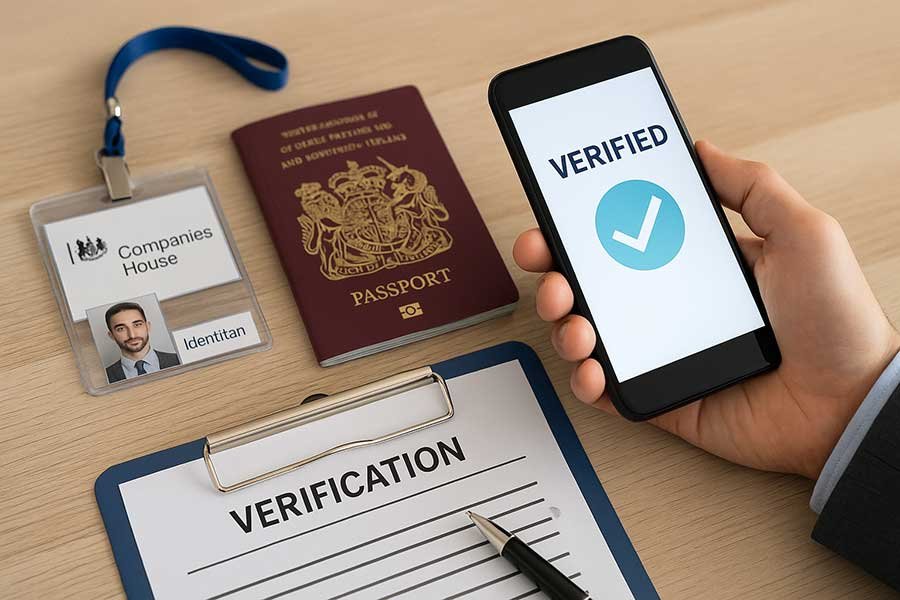
One of the most important safety steps is knowing who you will live with. Never move in without verifying your roommates.
Why Identity Verification Matters
Living with strangers can expose you to:
- Theft risks
- Safety threats
- Financial disputes
- Emotional stress
Identity Verification Checklist
| Verification Method | Importance Level |
|---|---|
| Government ID check | Very High |
| Employment confirmation | High |
| Social media presence | Medium |
| Reference from previous landlord | Very High |
| In-person meeting | Essential |
Warning Signs to Avoid
Avoid roommates who:
- Refuse to show identification
- Avoid personal questions
- Provide inconsistent information
- Show aggressive or secretive behavior
Trust your instincts.
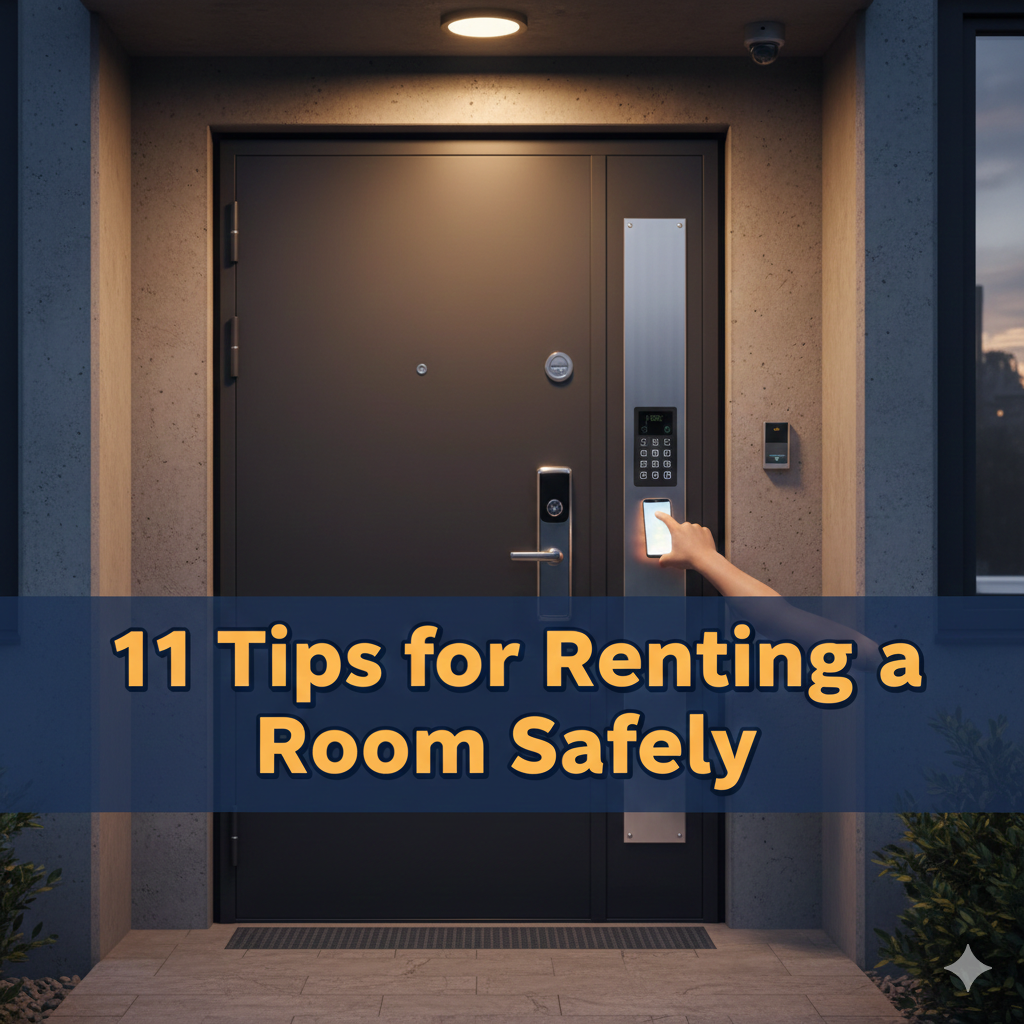
Tip #2: Ensure Secure Locks and Private Access
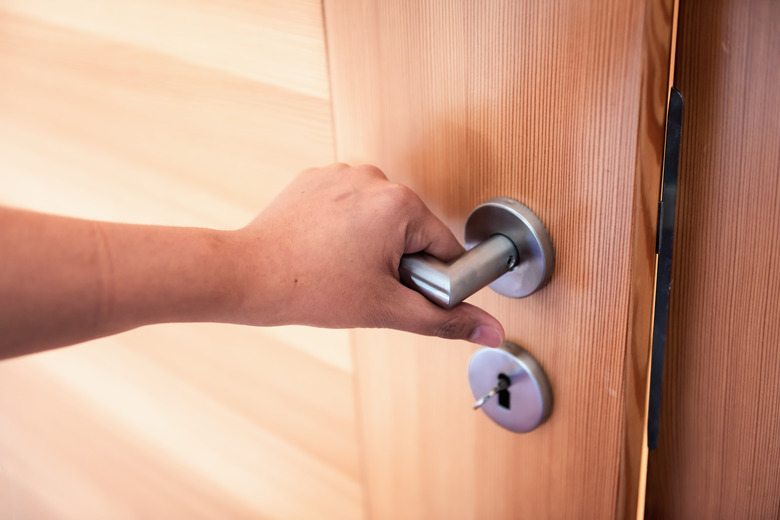
Your room should be your safe private space.
Essential Lock Requirements
| Lock Type | Security Level |
|---|---|
| Basic door lock | Minimum |
| Deadbolt lock | High |
| Smart lock | Very High |
| Keypad lock | Excellent |
Security Priority Chart
Room door lock        ██████████
Main entrance lock    ██████████
Window locks          ████████
Bathroom privacy      ██████
Closet lock           █████
Always test locks before moving in.
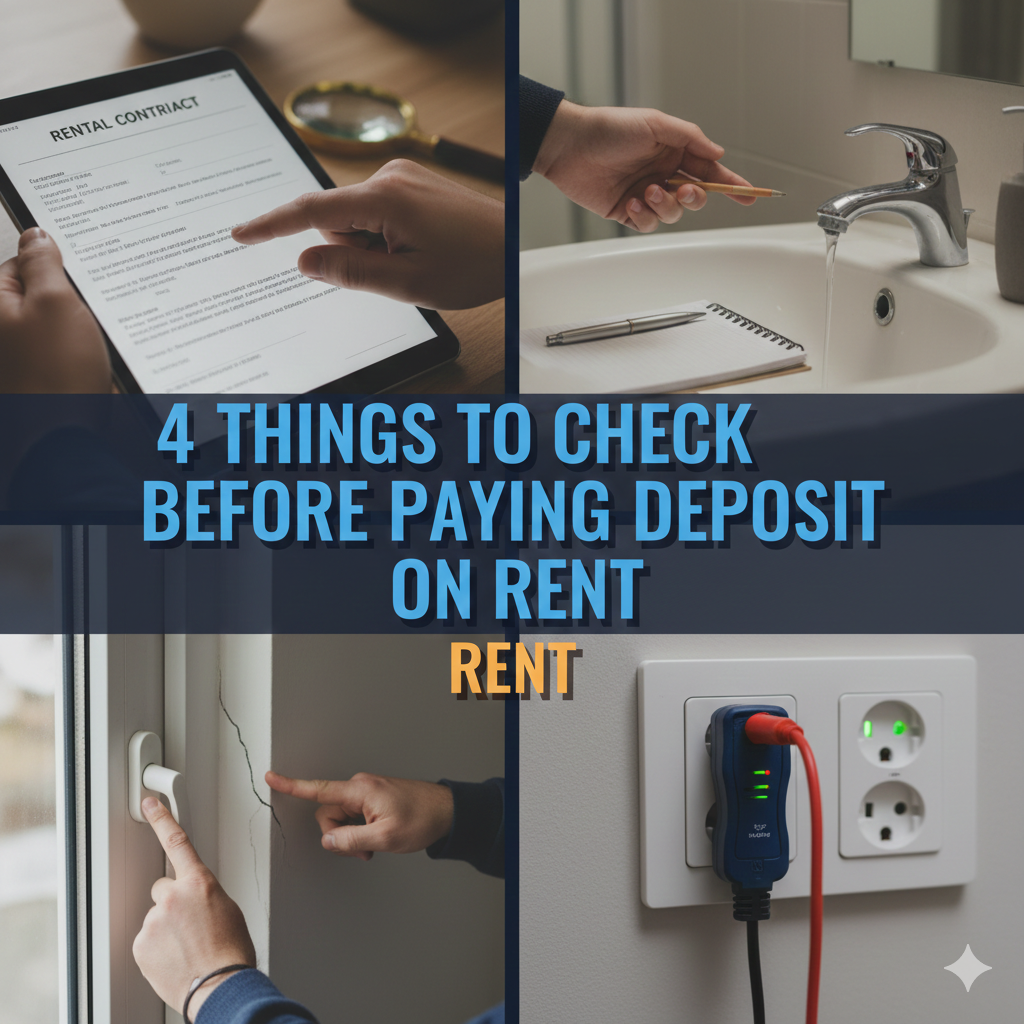
Tip #3: Create a Written Rental Agreement
Never rely on verbal agreements.
A written agreement protects you legally and financially.
Essential Agreement Components
| Component | Purpose |
|---|---|
| Rent amount | Prevent overcharging |
| Payment date | Avoid disputes |
| Security deposit | Protect refund |
| House rules | Clarify expectations |
| Notice period | Prevent sudden eviction |
Agreement Protection Chart
Legal protection      ██████████
Financial clarity     ██████████
Conflict prevention   █████████
Tenant security       █████████
Peace of mind         ████████
Written agreements prevent misunderstandings.
Tip #4: Evaluate the Property’s Physical Safety
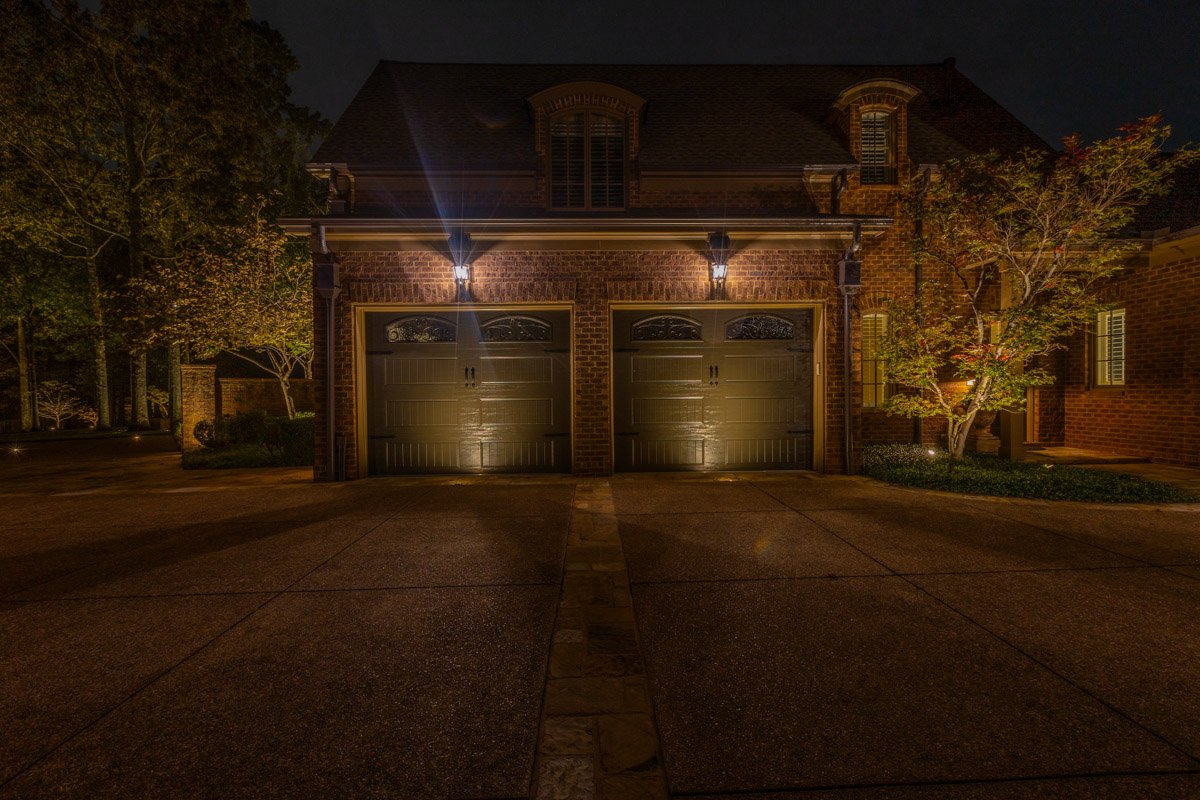
Physical safety is essential.
Check:
- Building entrance security
- Lighting conditions
- Emergency exits
- Fire safety equipment
Safety Inspection Table
| Safety Feature | Ideal Condition |
|---|---|
| Entrance lock | Secure |
| Lighting | Bright |
| Emergency exit | Accessible |
| Fire extinguisher | Available |
| Security cameras | Installed |
Safe buildings reduce risks.
Tip #5: Protect Your Personal Belongings
Even in safe environments, protecting belongings is essential.
Protection Methods Table
| Method | Effectiveness |
|---|---|
| Lock valuables | Very High |
| Avoid sharing keys | Essential |
| Use secure storage | High |
| Keep documents safe | Essential |
Personal responsibility ensures safety.
Tip #6: Establish Clear House Rules
Clear rules prevent conflicts.
House Rules Checklist
| Rule | Purpose |
|---|---|
| Cleaning schedule | Maintain hygiene |
| Guest policy | Ensure comfort |
| Noise limits | Respect privacy |
| Shared expenses | Financial clarity |
Rules improve harmony.
Tip #7: Trust Your Instincts and Observe Behavior

Your instincts are powerful safety tools.
If something feels wrong, reconsider.
Behavioral Safety Indicators
| Positive Signs | Negative Signs |
|---|---|
| Friendly behavior | Aggression |
| Transparency | Secretive actions |
| Respectful communication | Rudeness |
| Clean environment | Messy unsafe conditions |
Trust your judgment.
Shared Living Safety Score Chart
Room security        ██████████
Housemate trust      █████████
Building safety      █████████
Agreement clarity    █████████
Neighborhood safety  ████████
Focus on high safety scores.
Shared Living Daily Safety Checklist
| Task | Frequency |
|---|---|
| Lock door | Daily |
| Secure valuables | Daily |
| Observe environment | Daily |
| Maintain communication | Weekly |
| Review agreements | Monthly |
Consistency improves safety.
Long-Term Benefits of Safe Shared Living
Safe shared living provides:
- Financial stability
- Emotional comfort
- Reduced stress
- Better lifestyle quality
Safety improves overall living experience.
Final Thoughts
Safe shared living is not just about affordability. It is about creating an environment where you feel secure, respected, and comfortable.
By verifying identities, ensuring proper locks, creating agreements, inspecting safety features, protecting belongings, establishing rules, and trusting instincts, you can enjoy shared living with confidence.
Taking these essential precautions will protect your safety and peace of mind.
FAQs
1. Is shared living safe?
Yes, if you verify roommates, inspect security, and use written agreements.
2. Should my room have a private lock?
Yes. Private locks are essential for safety and privacy.
3. Is a written agreement necessary?
Yes. It protects your rights and prevents disputes.
4. How can I protect my belongings?
Use locks, secure storage, and avoid sharing keys.
5. What should I check before moving in?
Check locks, roommates, agreement, and building safety.
6. Should I trust my instincts?
Yes. If something feels unsafe, avoid renting.