Renting a room in a shared house seems straightforward. But safety? That’s where most renters screw up.
You’re living behind walls, kitchens and bathrooms with people you may not even know. Just one bad situation can cause your home to become a nightmare. That’s why a robust rent by room guide for safety isn’t just helpful — it’s essential.
This guide reveals 8 secret safety tips that the majority of renters never come across until it’s too late. Whether it’s your first shared house or your fifth, these tips can help protect you physically, legally and financially.
Let’s get into it.
Why Safety in Room Rentals Is a Bigger Deal Than You Realize
Shared housing is growing fast. Millions of renters in the United States live in room-by-room setups. It’s affordable. It’s practical. But it also involves special risks that regular apartment living doesn’t.
You don’t just lease a space. You’re entering a communal space with strangers.
Shared housing renters experience higher rates of petty theft, privacy violations and personal disputes than solo renters, according to the National Crime Prevention Council. Not to frighten you, though. It’s meant to prepare you.
The good news? Most room rental risks are easily preventable. All you need is the proper knowledge before you sign that lease.
Safety Tip #1: Always Vet the Landlord Before You Sign Anything
For most renters, the roommate is the main consideration. They neglect to screen the landlord.
A bad landlord is as dangerous as a bad roommate. They can come into your room at a moment’s notice, dismiss safety hazards or vanish when something goes wrong.
How to Verify That a Landlord Is Legitimate
To begin, try a straightforward Google search. Enter the landlord’s name and property address in the search box. Check for complaints, lawsuits or news articles.
Then go deeper:
- Look up the property address in your county’s public records database
- Check that the landlord actually owns the property (not just saying they do)
- Read reviews on Google, Yelp or Apartments.com
- Request to see their landlord license if one is required in your city
- Check the property for code violations
A legitimate landlord would not object to these searches. A sketchy one will.
Red Flags of a Problematic Landlord
| Red Flag | What It Could Mean |
|---|---|
| Refuses an in-person meeting | Possible scam or fraud |
| Won’t hand over a written lease | Wants to avoid legal accountability |
| Pressures you to move in fast | Hiding something about the property |
| Asks for cash-only payments | No paper trail on purpose |
| Can’t answer basic questions about the property | Doesn’t actually own or manage it |
If a landlord balks at basic questions, walk away. There are many legitimate room rentals out there.
Safety Tip #2: Read Every Line of Your Lease Before You Sign It
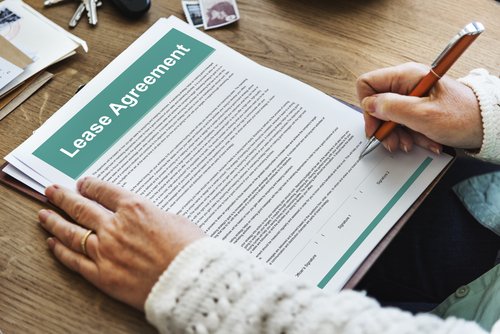
A lease isn’t just paperwork. It’s your legal shield.
Most renters just skim the lease, if they even read it. That’s a huge mistake. The lease outlines your rights, your obligations and your protections.
The Essential Elements Your Room Rental Lease Should Have
Before you sign anything, make sure your lease includes:
- Your specific room, clearly described and preferably with a photo or floor plan attached
- Amount of monthly rent and when it is due
- Security deposit amount and terms
- Utilities — which ones are included and those you pay separately
- Visitor policy — how many, for how long and what the rules are
- Notice before entry — the amount of notice that landlords must provide ahead of entering
- Rules for shared spaces
- What happens if a roommate doesn’t pay rent
If any of these items are omitted, request that they be added before you sign.
The One Clause That Gives You the Most Protection
Check for a quiet enjoyment clause. This makes it unlawful for a landlord or other tenants to disturb your use of your room. It’s a standard clause in most leases, but it’s not included in all room rental agreements.
If it is not present, demand that it be added. If the landlord is not willing to do this, that’s a red flag.
Safety Tip #3: Protect Your Personal Space From Day One
Your room is your personal space. Treat it like one.
Many renters believe that, since they live in a shared house, their room isn’t really private. Such thinking does lead to real problems — missing items, invaded privacy and awkward interactions.
Lock Your Door — Every Single Time
This sounds obvious. But many room renters do not consistently do this, particularly in houses where everyone seems friendly.
Friendships change. People have bad days. Valuables go missing. Lock your door when you leave, even just to use the bathroom.
If your room doesn’t have a lock, ask the landlord to install one immediately. It’s a fundamental right in most states. Many places have laws that make a landlord’s refusal to provide a working door lock a housing code violation.
Smart Upgrades for Room Security
You don’t have to spend big bucks to secure your room.
| Security Upgrade | Estimated Cost | What It Does |
|---|---|---|
| Keypad door lock | $30–$80 | No key to lose, easy code changes |
| Portable door alarm | $10–$20 | Alerts you if door opens unexpectedly |
| Mini safe or lockbox | $25–$60 | Protects documents, cash and jewelry |
| Door stop alarm | $10–$15 | Blocks the door from opening when you’re inside |
| Small security camera (room exterior) | $30–$70 | Monitors who approaches your entrance |
Always reference your lease before installing anything that requires drilling or permanent changes.
Safety Tip #4: Get to Know Your Roommates Before Moving In Together
Your roommates can make or break your shared housing experience. A flurry of online friendship isn’t due diligence.
How to Research Potential Roommates the Right Way
You have every right to know who you’re living with. Here’s how to learn more:
- Request full name and verify it — Cross-check on LinkedIn or social media
- Find mutual connections — A mutual friend can validate them
- Check public records — Most states offer free online searchable databases of criminal history
- Video call before meeting in person — Check how they talk and act
- Ask specific questions — Work schedule, guests, smoking, cleanliness expectations
You shouldn’t feel awkward asking these questions. A respectful, safe potential roommate shouldn’t mind.
Questions to Consider Before Signing on to Share a Space
- What are your hours of work or school?
- Do you entertain a lot?
- How do you deal with shared chores?
- Have you had disputes with former roommates?
- Do you smoke or have pets?
The answers tell you a lot. So does how they respond to the questions.
Safety Tip #5: Take Photos and Get Everything in Writing
Documentation is your best friend in a rent by room scenario. It saves you from being falsely blamed, financial disputes and legal issues.
What to Document Before Moving In
Do a walkthrough of the entire property — not just your room — on move-in day. Take clear pictures and short videos of:
- All the walls, floors and ceilings of your room
- The condition of windows, blinds and doors
- Bathroom and kitchen conditions
- Any existing damage, stains or broken items
- Shared appliances and furniture
Email or text your landlord these photos the same day. This creates a time-stamped record that shows the condition of the property when you arrived.
This single step has spared countless renters from losing their security deposits.
Maintain a Written Log of Significant Events
Beyond move-in pictures, maintain an ongoing log of:
- Maintenance requests — date sent and response received
- Disputes or issues with roommates
- Times the landlord entered without notice
- Any repairs made or promised
A simple notes app on your phone does the trick. You don’t need anything fancy.
Safety Tip #6: Know Your Emergency Safety Rights
All renters have rights when it comes to physical safety. Most people have no idea what those rights are until they need them.
Basic Safety Standards Every Rental Must Meet
Most U.S. states’ housing law requires your rental to include:
- Working smoke detectors on every floor
- A working carbon monoxide detector
- Secure locks on all exterior doors and windows
- Safe electrical wiring with no exposed wires
- Running hot and cold water
- Adequate heat in cold months
- No serious mold, pest infestations or structural hazards
This is known as the implied warranty of habitability. It means your landlord has a legal obligation to provide a safe, livable space — no matter what your lease says.
What to Do If Your Rental Doesn’t Meet These Standards
When your landlord does not address an urgent safety problem:
- Send a written notice (email or certified letter) detailing the issue
- Give a reasonable deadline for repairs — typically 14–30 days for non-emergencies
- If ignored, contact your local housing authority or code enforcement office
- In some states, you may legally be able to withhold rent until habitability issues are resolved
Always get legal advice before withholding rent. Laws vary by state.
Safety Tip #7: Secure Your Digital and Financial Privacy
Physical safety matters. So does your digital safety. This can be easily overlooked in shared housing.
The Digital Privacy Risks of Shared Housing
When you’re on the same WiFi network, everything you do online can potentially be observed by others connected to the same network. Shared computers, open mail areas and easily visible documents are all risks to your privacy.
Here’s how to protect yourself:
Digital Safety Habits for Room Renters
- Use a VPN on shared WiFi networks — it encrypts your connection
- Lock your laptop and phone with strong passwords or biometrics
- Never leave financial documents out in common areas
- Use a separate mailbox lock if your mail isn’t already secured
- Sign up for paperless billing to limit physical mail exposure
- Don’t share your WiFi password with casual guests who visit the house
- Log out of all accounts on any shared or public devices
These habits require almost no time but shield you from identity theft, financial fraud and privacy violations.
Protect Your Finances in a Shared Rental
| Risk | Prevention |
|---|---|
| Roommate seeing bank statements | Use paperless billing only |
| Shared utility bills causing debt confusion | Keep your name on your own accounts |
| Security deposit disputes | Document everything with photos |
| Landlord keeping deposit unfairly | Check state laws regarding deposit returns |
| Informal rent payments with no record | Always pay by check, app, or bank transfer |
Never pay your rent in cash without getting a signed, dated receipt. Better still, avoid cash payments entirely.
Safety Tip #8: Develop a Personal Emergency Plan for Shared Housing
Few people have an emergency plan. This becomes even more important if you live in a shared house with people you don’t know well.
Create Your Own Emergency Checklist
Print or save this and keep it somewhere accessible:
- Fire escape routes — Learn at least two ways out of the home
- Emergency contacts — Save local police, fire department and poison control in your phone
- Landlord contact info — Keep a phone number and backup email
- Utility shutoffs — Know where the gas, water and electric shutoffs are located
- Medical info — Keep a basic first aid kit in your room
- Neighbor awareness — Know at least one neighbor’s name in case of an emergency
What to Do If You Feel Unsafe in Your Rental
Sometimes the threat isn’t a fire or a flood. Sometimes it’s a person.
If a roommate is threatening, harassing or making you feel unsafe:
- Keep a record of every incident with dates, times and details
- Notify your landlord in writing right away
- If there is a physical threat, contact your local law enforcement
- Contact a tenant advocacy organization in your area
- Be aware that you may have legal grounds to break your lease without penalty if your landlord fails to act
You should never feel trapped in an unsafe living situation. Resources exist to help you.
A Safety Checklist for Room Renters to Keep Handy
Use this before and after moving into any shared rental:
| Safety Task | Before Moving In | After Moving In |
|---|---|---|
| Vet the landlord online | ✅ | — |
| Read the full lease | ✅ | — |
| Install door lock | ✅ | ✅ |
| Document room condition with photos | ✅ | — |
| Research roommates | ✅ | — |
| Check smoke and CO detectors | ✅ | ✅ Monthly |
| Set up VPN on shared WiFi | — | ✅ |
| Learn emergency exit routes | ✅ | ✅ |
| Save landlord and emergency contacts | ✅ | ✅ |
| Keep a log of issues and requests | — | ✅ Ongoing |
Real Risks Room Renters Face Most Often
Knowing the most common problems helps you prepare for them. Here’s a breakdown of what room renters report most:
| Problem | How Common | Prevention Tip |
|---|---|---|
| Security deposit not returned | Very Common | Document everything on move-in day |
| Theft of personal items | Common | Always lock your room |
| Landlord entering without notice | Common | Insist on entry notice clause in lease |
| Roommate conflicts escalating | Common | Set house rules in writing from day one |
| Digital privacy breaches | Underreported | Use VPN and paperless billing |
| Mold or safety hazards ignored | Moderate | Know your habitability rights |
| Lease disputes | Moderate | Read and keep a copy of your signed lease |
Many of these problems can be prevented. Preparation is everything.
FAQs About Rent by Room Safety
Q: Is it legal for my landlord to enter my room unannounced? A: Unless there is a true emergency, landlords usually have to give at least 24 to 48 hours notice before entering your room in most states. Look into your local tenant laws and ensure this is written into your lease.
Q: What should I do if my roommate steals from me? A: Write down the missing item and notify your landlord in writing. If the value is sizable, file a police report. This creates an official record. You might also have reason to ask for a change of roommates or an adjustment of the lease.
Q: Is it safe to rent a room from an online stranger? A: It can be, if you do the right things. Always confirm the landlord’s identity and ownership of the property, read through the lease thoroughly, meet in person or by video before signing anything and never send money until you have viewed the property.
Q: What do I do if the landlord refuses to repair a safety issue? A: Send a written request with a deadline. If it is not addressed, contact your local housing code enforcement. In some states you can also seek rent withholding or repair-and-deduct remedies. First, consult a tenant rights organization.
Q: Will I need renter’s insurance for a room rental? A: Not always, but it is very much recommended. Renter’s insurance, which typically costs $10–$20 per month, covers theft, fire damage and liability. It’s one of the smartest investments you can make when sharing a house.
Q: Am I allowed to put a lock on my bedroom door? A: In most cases, yes. You have the right to secure your personal space. Check with your landlord first and review your lease for any restrictions. Most reasonable landlords will agree or install one for you.
Q: How do I handle a roommate that makes me feel unsafe? A: Contact your landlord in writing as soon as possible. If there’s a physical threat, call the police. Contact a local tenant advocacy group for help understanding your legal rights, which may include breaking the lease without any penalty.
Q: What can I do to protect my security deposit? A: Document the room condition with photos and video on move-in day. Email them to your landlord to create a time-stamped record. During your tenancy, hold on to copies of all receipts, correspondence and your signed lease.
Final Thoughts — Always Be Safe
Renting a room in a shared home is one of the best ways to live affordably in a city. But it carries genuine responsibilities.
This rent by room guide covered 8 safety tips that extend beyond simply locking your door. From vetting your landlord and reading your lease, to protecting your digital privacy and knowing your legal rights — every tip in this guide puts you in a stronger, safer position.
The renters who stay safe aren’t just lucky. They’re prepared.
Take these tips seriously before you sign your next lease. Review the safety checklist. Know your rights. Document everything.
Your home should feel safe. It most certainly can, with the right approach.