Finding a cheap room to rent is overwhelming these days — particularly when prices are rising and choices are shrinking. But here’s the good news: tons of people snag cheap rooms every single day, using a few simple, smart strategies.
This rent by room guide simplistically outlines 9 ways that clearly present how to find low-cost rooms without spending weeks of blood, sweat and tears. These tips have been road-tested in the real world — whether you’re a student, young professional, or simply eager to save some money.
Let’s dive straight in.
Why Renting by the Room Makes More Sense Than a Full Apartment
Before we dive into the strategies, let’s briefly cover why renting a room is financially beneficial.
If you are renting a whole apartment, you’re paying for every square foot of space — even rooms that sit vacant. Rent one room, and you share the big expenses with others. Utilities, internet, sometimes even groceries.
Here’s a quick cost comparison:
| Housing Type | Average Monthly Cost (US) |
|---|---|
| 1-Bedroom Apartment | $1,500 – $2,200 |
| Studio Apartment | $1,100 – $1,800 |
| Rent a Single Room | $500 – $900 |
| Room in Shared House | $400 – $800 |
The savings are real. But how exactly can you find those cheap rooms?
Method #1: Use Dedicated Room Rental Websites
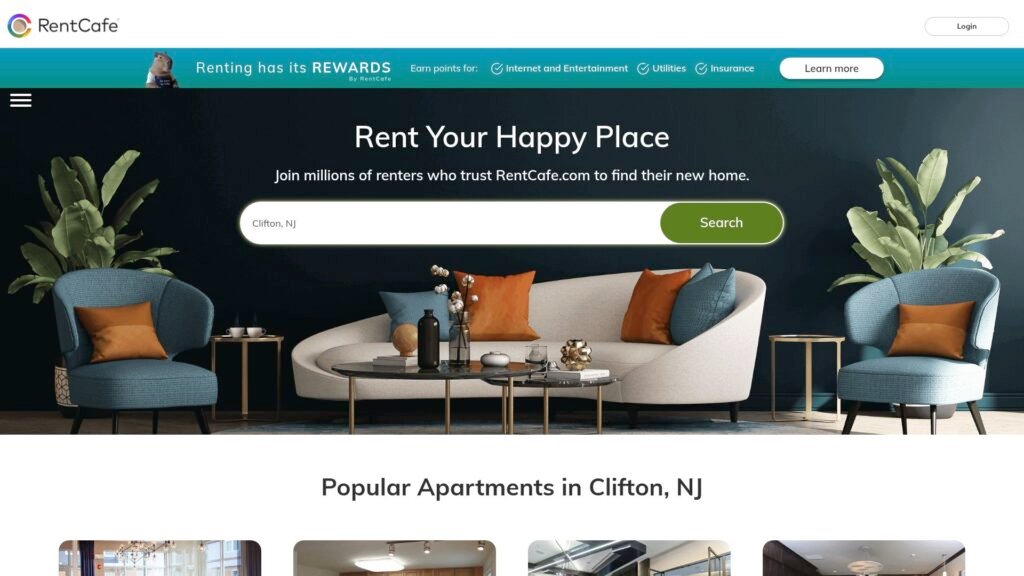
All rental platforms are not created equal. Generalist sites such as Craigslist or Zillow are excellent for full apartments, but dedicated room rental platforms zoom in further.
The Best Platforms to Research Right Now
These websites cater specifically to people renting rooms:
- Roomies.com — Pairs renters with openings in homes based on lifestyle choices
- Roommate.com — One of the oldest and most trusted platforms
- SpareRoom.com — Popular in the US and UK
- Facebook Marketplace — Large selection, frequently cheaper listings
- PadMapper — Displays rooms on a visual map so you can filter by neighborhood
How to Maximize These Sites
Create a complete profile. Landlords and existing tenants bypass empty profiles quickly. Include a real picture of yourself, a little about you, and where your job or school situation stands.
Set up email alerts. Most platforms offer notifications so that as soon as a room matching your filters is created, you’ll know. Timing matters — good cheap rooms go within 24–48 hours.
Use the map feature when available. This will prevent you from inadvertently renting a “cheap” room that is an hour away from your job.
Method #2: Reach Out to Local Facebook Groups
This one is criminally underused — and it’s free.
Virtually every city features local Facebook groups specifically for housing, room rentals, and roommate matching. Search for terms like:
- “[Your City] Rooms for Rent”
- “[Your City] Housing and Roommates”
- “[Your City] Cheap Rentals”
Why Facebook Groups Are So Effective
The majority of listings are posted by regular folks, not property management companies. That means less competition, more flexible pricing, and landlords willing to negotiate.
You also get to check out the person’s Facebook profile before you meet them. That adds a level of trust that anonymous platforms cannot provide.
Tips for Facebook Room Hunting
Post your own “Looking for Room” post. Share details about yourself, your budget, your move-in date, and what neighborhood you’re looking for. Keep it short and friendly.
Be quick when you respond. Comment on a listing and then send a DM right away. This double-touch tells them you mean business.
Check groups daily. New posts go up each morning, and the good ones disappear fast.
Method #3: Walk Through the Neighborhood You Want to Live In
Old school? Yes. Effective? Absolutely.
Many landlords — particularly older ones or small property owners — don’t post online at all. They place a “Room for Rent” sign in the window or on a telephone pole and wait.
How to Do a Neighborhood Walk
Choose 2–3 neighborhoods based on your budget and commute. Walk the streets on a weekend morning when it’s quiet. Look for handwritten signs on:
- Porch railings and front doors
- Telephone poles
- Community bulletin boards (laundromats, libraries, coffee shops)
Photograph each sign you pass. Call or text the same day — don’t delay.
How This Method Turns Up Cheaper Rooms
Landlords who avoid online listings also avoid platform fees. And they often pass those savings on to renters. That room might be $150–$300/month cheaper than anything you can find online.
It’s also much less competitive. You’re not competing with dozens of other applicants through an app. You’re dialing a number on a handwritten sign that most people never even notice.
Way #4: Before You Search Publicly, Consult Your Network

One of the most potent tools in this rent by room guide is your personal network — and most people neglect to use it.
Who to Ask
Tell everyone you know that you’re looking for a cheap room:
- Friends and family
- Coworkers and classmates
- Gym buddies, church members, club contacts
- Neighbors at your current place
Share on your personal social media. An Instagram story or Facebook post that reads, “Hey, I’m looking for a room in [City] around $X — know anyone?” can get real results.
Why Word-of-Mouth Rooms Are Always the Best Deals
When someone rents a room to a friend of a friend, trust is already built in. Landlords often offer lower prices because they feel safer about who’s moving in. You could also skip application fees, credit checks, or security deposits altogether.
These deals never hit Zillow. They only exist in conversations.
Method #5: Reach Out to Property Management Companies Directly
This is a step most first-time room hunters skip outright.
Large apartment buildings and property management companies sometimes have individual rooms or converted spaces available that aren’t publicized. They might be transitioning a unit, covering a last-minute vacancy, or testing a co-living model.
How to Reach Out
Go to Google and search:
- “Property management companies near [City]”
- “Co-living spaces [City]”
- “Room rentals [neighborhood]”
Find their contact pages, then send a quick, professional email. Keep it to 3–4 sentences:
“Hi, I’m looking for a furnished room to rent in [neighborhood] for no more than $[X]/month. I am a [student/professional], quiet, and reliable. Do you have anything available now or coming up soon? I’m happy to be put on a waitlist.”
Do this with 10–15 companies. A 10% response rate still gets you 1–2 solid leads.
Co-Living Companies Are Worth Checking
Co-living is an emerging trend where companies manage shared homes professionally. Think tidy shared spaces, all-inclusive pricing, and month-to-month leases. Firms like Common, Quarters, and Bungalow have a presence in dozens of US cities and are occasionally competitive on price — especially for shorter stays.
Way #6: Watch University and College Bulletin Boards
This is a strategy you can use even if you are not a student.
College campuses are surrounded by affordable housing. Students come and go constantly — graduating, studying abroad, switching dorms — and they need to find someone to fill their room quickly.
Where to Look
- Physical bulletin boards in student unions, libraries, and cafeterias
- University housing websites (most have an “off-campus housing” section)
- University subreddits (e.g. r/UCLA, r/BostonU)
- Campus Facebook groups
How to Use This Even If You’re Not a Student
Most student landlords don’t care if you’re enrolled. They simply want reliable rent paid on time. If you live in a college town, this is one of the best routes to find cheap rooms in a rent by room guide context — because students price competitively.
Type the name of your university followed by “off-campus housing board” into Google. Many schools maintain a free, publicly searchable database.
Way #7: Negotiate the Price — More Landlords Say Yes Than You Think
Most renters never even try to negotiate. They see a price, think it’s too high, and walk away. That’s a mistake.
Landlords — private ones in particular — tend to have room to move. A room sitting empty costs them money every single day. It is better for them to receive $650/month than nothing.
How to Negotiate Without Awkwardness
Here’s a simple negotiation script:
“I love the room. My budget’s closer to $[X] — is there any flexibility? I can sign a longer lease if that helps.”
Offering a longer lease is powerful. It provides the landlord stability, and in return they’ll usually reduce the price $50–$100/month.
Other Ways to Lower Your Monthly Cost
- Volunteer to help with minor maintenance (mow lawn, take out trash, shovel snow)
- Pay 2–3 months upfront for a discount
- Ask to skip certain amenities (parking spot, storage unit) for a lower rate
- Offer a higher security deposit in exchange for reduced monthly rent
| Negotiation Tactic | Potential Monthly Savings |
|---|---|
| Longer lease offer | $50 – $150 |
| Upfront payment | $75 – $200 |
| Trade skills/maintenance | $50 – $100 |
| Remove unused amenities | $30 – $80 |
Negotiating is normal. Don’t skip it.
Way #8: Broaden Your Search Radius (And Then Fix the Commute)
Sometimes the lowest-cost rooms are not in the area you originally considered. They’re one or two zip codes away.
How to Find the Sweet Spot
Use Google Maps alongside your room search. Pull up your workplace or school. Then draw a mental circle around that area covering a 20–30 minute commute zone.
You might find that:
- Rooms in the trendy downtown neighborhood start at $900/month
- A quieter area 15 minutes away has rooms at $580/month
- A suburb with a direct bus line has rooms at $450/month
The 12-month price difference could be $3,000–$5,000. That’s significant.
Make the Commute Cheaper Too
A longer commute isn’t that bad if transportation doesn’t hurt your wallet. Check:
- Monthly bus/subway pass costs
- Bike-friendliness of the route
- Carpooling options with coworkers
Sometimes that $500 room + $70 bus pass wins over the $750 room you can walk from. Run the math.
Way #9: Conduct Your Search at the Right Time
Most people search for rooms whenever they need one. Savvy searchers time their search to find better deals.
The Best Times to Look for Inexpensive Rooms
End of the month — Leases are up, people move out, and landlords worry about vacant rooms. Prices get more flexible fast.
Winter months (November–February) — Fewer people move in winter. Demand declines, and landlords are more inclined to negotiate or offer move-in specials.
Academic off-seasons — In college towns, look in May (after graduation) or late July when students are shuffling around and deals abound.
What to Avoid
Avoid searching in September or late spring. That’s peak moving season. Competition is highest, prices are firmest, and landlords have little reason to compromise.
If your timeline isn’t set in stone, shifting your move-in date by 4–6 weeks could mean saving one full month’s rent.
Quick Summary: All 9 Methods at a Glance
| # | Strategy | Best For |
|---|---|---|
| 1 | Dedicated Room Rental Websites | Broad inventory, fast results |
| 2 | Local Facebook Groups | Personal trust, flexible pricing |
| 3 | Neighborhood Walk | Off-market gems, no competition |
| 4 | Personal Network | Hidden deals, no fees |
| 5 | Property Management Outreach | Co-living, professional setups |
| 6 | University Bulletin Boards | Student-area pricing |
| 7 | Price Negotiation | Immediate savings on any listing |
| 8 | Broaden Search Radius | Lower base prices |
| 9 | Strategic Timing | Better deals, less competition |
Things to Watch Out for When Renting a Room
It’s great to find a cheap room. Falling for a scam is not. Here are warning signs to take seriously:
- Rent is suspiciously low — If it’s $300/month in a city where the average is $700, ask why
- Landlord won’t meet in person — Always visit before committing
- Asked to pay before signing anything — Never wire money or send cash without a written lease
- Listing photos look overly polished — Reverse image search them using Google Images
- No lease offered — Even a basic one-page agreement protects both parties
Trust your gut. If something feels wrong, it most likely is.
💡 For more tips on navigating shared housing safely, Consumer Financial Protection Bureau’s renter resources offer practical, trustworthy guidance.
FAQs: Rent by Room Guide
Q: What exactly does “rent by room” mean? You are renting one room within a larger home or apartment, not the entire unit. You usually share common areas — kitchen, living room, bathrooms — with other tenants.
Q: Is it cheaper to rent a room than an apartment? Almost always, yes. A rented room usually costs 40–60% less per month than a full apartment in the same city.
Q: Do I need good credit to rent a room? Not always. Private landlords and individual homeowners tend to be much more flexible than corporate property managers. Most simply require proof of income.
Q: How long does it typically take to find a cheap room? Using this rent by room guide with active searching across multiple methods, most people find something within 1–3 weeks. Passive searching (just checking one site from time to time) can stretch to 2 months.
Q: Should I get a written lease when renting a room? Yes, always. Even a basic informal lease protects you legally. It should include monthly rent, due date, house rules, and notice periods for moving out.
Q: What should I bring when visiting a room for the first time? Bring a notepad or use your phone to take photos. Check: water pressure, cell signal, noise levels at different times of day, condition of shared areas, and whether the existing tenants seem like a good fit with your lifestyle.
Q: Can I negotiate rent on a room? Absolutely. Especially with private landlords. Many renters save $50–$200/month just by asking — see Way #7 in this guide.
Wrapping It All Up
Finding a cheap room doesn’t have to mean settling for something bad. It means being strategic, moving quickly, and using all the tools at your disposal.
This rent by room guide walked you through 9 real, actionable ways to cut your housing costs — from dedicated platforms and Facebook groups to negotiation tactics and timing your search right. None of these require any special skills or money to execute. They just require consistent effort.
Start with 2–3 strategies that feel most intuitive to you. Build from there. The right room at the right price is out there — and now you know exactly how to find it.