
9 proven rent by room budget tips for beginners
Renting by the room can feel like a clever shortcut into affordable living, especially if you’re just starting out, moving to a new city, or trying to stretch a limited income. But the truth is, it’s not automatically cheap. Without a plan, shared housing can quietly drain your money through hidden costs, unclear agreements, and everyday inefficiencies.
This guide walks through nine practical, field-tested budgeting tips for beginners who want to make rent-by-room living actually work in their favor. Along the way, you’ll find tables, simple cost breakdowns, and real-world scenarios that go beyond theory.
- know your true monthly cost (not just rent)
Many beginners make the same mistake: they focus only on the advertised rent. A room listed at a low price can quickly become expensive once utilities, internet, and shared expenses are factored in.
Here’s a simple breakdown of what your real monthly cost might look like:
| expense category | estimated cost (monthly) |
|---|---|
| room rent | $250 |
| electricity share | $40 |
| water & gas | $20 |
| internet | $15 |
| cleaning supplies | $10 |
| shared groceries | $60 |
| unexpected extras | $25 |
| total | $420 |
At first glance, a $250 room sounds like a bargain. In reality, you’re spending closer to $400–$450.
Tip: Always ask for a full cost estimate before committing. If possible, talk to current tenants instead of relying only on the landlord’s numbers.
- set a “room budget” limit before you search
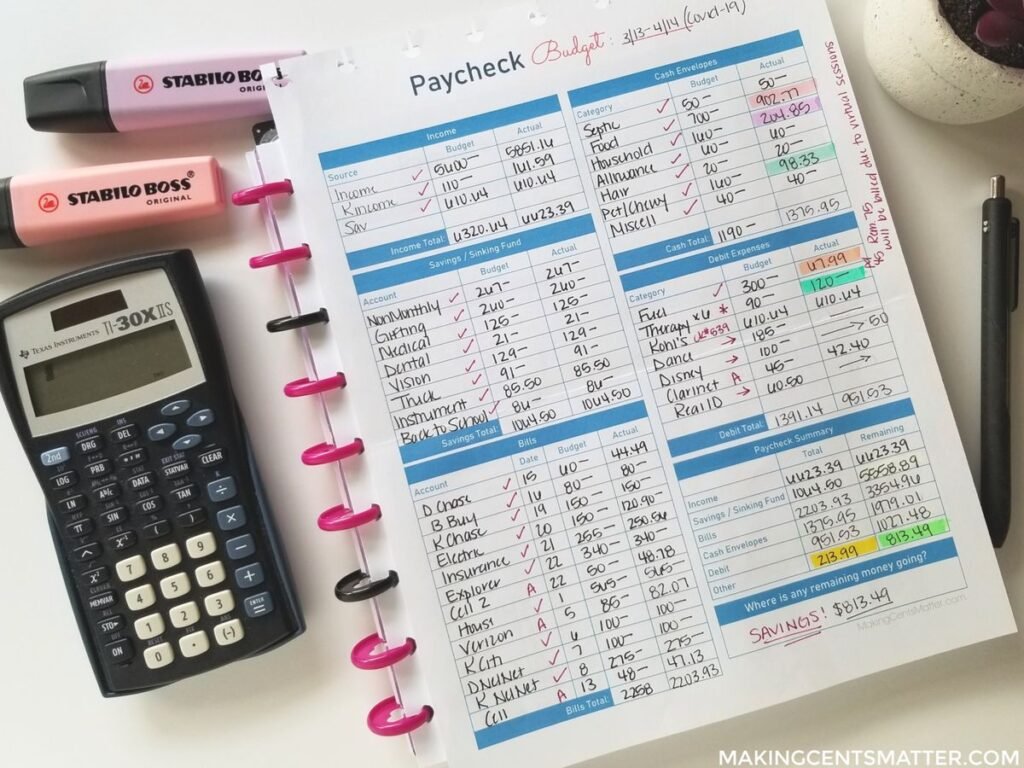
It’s easy to stretch your budget when you see a nicer room or better location. That’s where people get into trouble.
A simple rule: your rent-by-room cost should not exceed 25–30% of your monthly income.
Example:
| monthly income | max housing budget (30%) |
| $800 | $240 |
| $1,200 | $360 |
| $2,000 | $600 |
If you exceed this, you’ll feel constant pressure in other areas like food, transport, or savings.
Tip: Decide your number before browsing listings. Not after.
- choose roommates carefully (it affects your wallet)
Roommates aren’t just about personality. They directly influence your finances.
A careless roommate can increase your costs in ways you didn’t expect:
- Leaving lights or AC on all day
- Not paying bills on time (leading to penalties)
- Using more than their share of utilities
- Damaging shared items
Compare two scenarios:
| factor | responsible roommate | careless roommate |
| utility usage | controlled | excessive |
| bill payments | on time | late fees |
| shared item care | maintained | frequent repairs |
| monthly impact | stable | +$30–$80 extra |
Tip: Before moving in, ask simple but revealing questions about habits, schedules, and bill-sharing expectations.
- negotiate shared expenses upfront
Many beginners assume costs will “work themselves out.” They rarely do.
You need clarity on:
- How utilities are split
- Who buys shared items
- How cleaning costs are handled
- What happens if someone leaves early
A basic agreement table helps:
| item | agreed split method |
| electricity | equal split |
| internet | equal split |
| groceries | individual |
| cleaning supplies | rotating purchase |
Tip: Write it down, even if it’s informal. Verbal agreements are often forgotten.
- track every shared expense (yes, every one)
When people share costs casually, small amounts slip through unnoticed. Over time, those “small” amounts become significant.
Example weekly leakage:
| small expense | weekly cost |
| extra snacks shared | $5 |
| cleaning items | $3 |
| cooking gas usage | $4 |
| random extras | $3 |
| total | $15 |
Monthly, that’s about $60.
Tip: Use a simple notebook or app to track shared expenses. Even basic tracking can cut unnecessary spending by 20–30%.
- avoid “cheap” rooms with hidden costs
A low rent can hide serious problems:
- Poor insulation (higher electricity bills)
- Long commute (higher transport costs)
- No furniture (initial setup expenses)
Comparison example:
| factor | cheap room | slightly higher rent room |
| rent | $200 | $260 |
| transport | $80 | $30 |
| utilities | $70 | $40 |
| furniture setup | $100 (one-time) | included |
| real monthly cost | $350+ | $330 |
Tip: Look at total cost, not just rent.
- build a small “shared living emergency fund”

Unexpected costs happen more often in shared housing than you think:
- Broken appliances
- Sudden rent adjustments
- Roommate moving out
A small emergency fund helps you avoid stress.
Suggested starting target:
| category | recommended amount |
| basic emergency fund | $100–$200 |
| ideal safety buffer | $300–$500 |
Tip: Even saving $10–$20 per week builds a cushion quickly.
- reduce utility costs with simple habits
Shared housing can either lower or increase utility bills depending on habits.
Here are small changes that make a difference:
| habit | potential monthly savings |
| turning off lights | $5–$10 |
| limiting AC usage | $15–$30 |
| efficient cooking | $5–$10 |
| shared laundry planning | $5–$15 |
Tip: Discuss these habits as a group. Collective action matters more than individual effort.
- plan your exit strategy early
Most beginners don’t think about leaving when they move in. That’s a mistake.
Unexpected exit costs can include:
- Security deposit loss
- Replacement tenant responsibility
- Advance rent forfeiture
Example exit cost scenario:
| cost type | amount |
| lost deposit | $150 |
| unpaid shared bills | $40 |
| moving costs | $60 |
| total | $250 |
Tip: Always understand notice periods and refund policies before signing anything.
simple monthly budget chart example
Here’s a beginner-friendly budget structure:
| category | percentage | example ($1000 income) |
| housing | 30% | $300 |
| food | 25% | $250 |
| transport | 15% | $150 |
| savings | 15% | $150 |
| personal/misc | 15% | $150 |
This structure keeps your rent-by-room lifestyle sustainable.
real-life scenario: two beginners compared
Let’s compare two renters over 3 months:
| factor | renter A (no planning) | renter B (budget-focused) |
| initial rent choice | cheapest option | balanced choice |
| expense tracking | none | consistent |
| utility control | low | moderate |
| total 3-month spend | $1,350 | $1,140 |
| savings difference | — | +$210 |
Small decisions create noticeable differences over time.
common beginner mistakes to avoid
- Choosing based on rent alone
- Ignoring roommate behavior
- Not tracking shared costs
- Skipping agreements
- Underestimating utilities
Each of these can quietly increase your monthly spending.
final thoughts
Renting by the room can absolutely be a smart financial move, but only if you approach it with awareness. It’s not just about finding a cheap space—it’s about managing a shared financial environment.
The nine tips above are simple, but they work because they focus on real behavior, not just theory. If you apply even half of them consistently, you’ll likely spend less, stress less, and save more.
faq section
- is renting by the room always cheaper than renting an apartment?
Not always. While the base rent is usually lower, shared costs and inefficiencies can make it more expensive if not managed properly.
- how do i fairly split bills with roommates?
The most common method is an equal split, but usage-based splitting can be more accurate in some cases. The key is agreeing upfront.
- what should i do if a roommate doesn’t pay their share?
Address it early. If ignored, it becomes a recurring issue. Written agreements can help prevent disputes.
- how much should i save before moving into shared housing?
At minimum, enough for your deposit, first month’s rent, and a small emergency fund (around $100–$300).
- are furnished rooms better for beginners?
Usually yes. They reduce upfront costs and make moving easier, especially if you’re on a tight budget.
- how can i reduce conflict over shared expenses?
Clear communication, simple tracking, and agreed rules are the most effective ways to avoid problems.