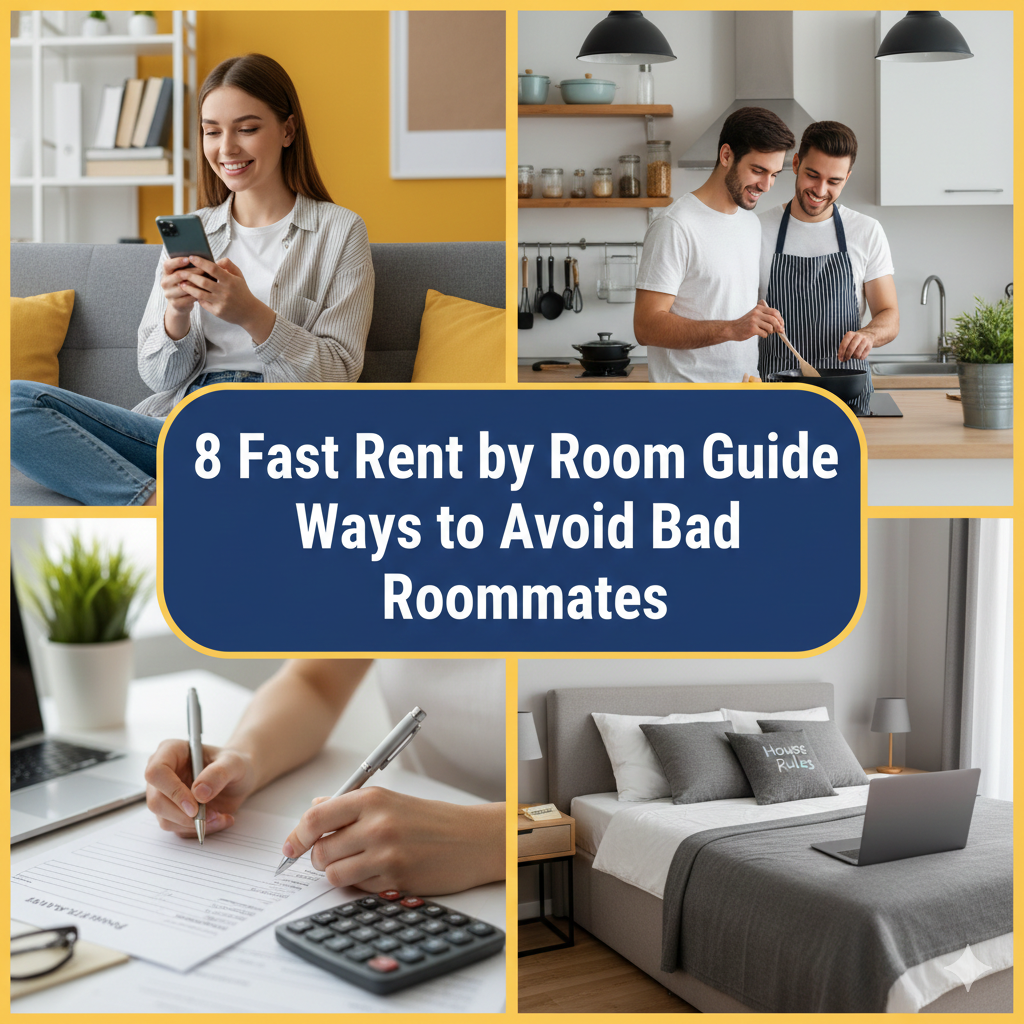
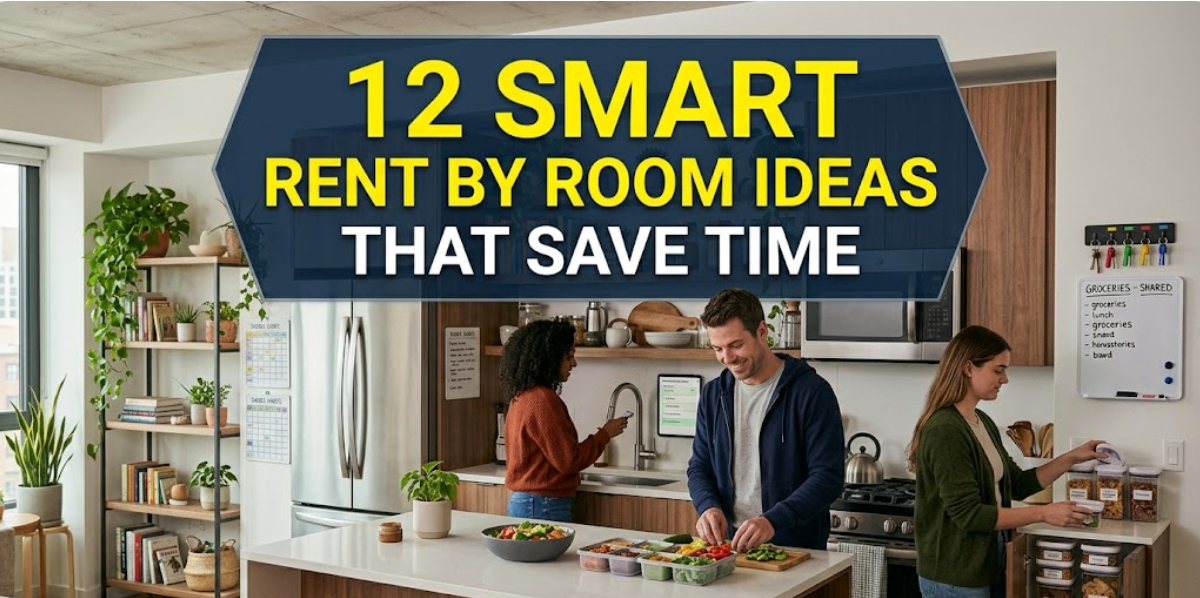
Introduction
Renting by room has become one of the most practical housing strategies in cities where rent prices are rising and flexibility matters more than ever. Instead of renting an entire apartment alone, people share spaces and divide costs, usually by assigning each tenant a separate room while sharing common areas like the kitchen and living room.
While this setup is financially smart, it can easily become stressful and time-consuming if not managed well. Poor organization, unclear agreements, and inefficient habits can turn a good deal into a daily headache.
This article explores 12 smart rent-by-room ideas that save time, reduce stress, and improve shared living experiences. These strategies are based on real-world challenges faced by tenants, landlords, and roommates in shared housing environments.
We will also include practical tables, comparison charts, and structured systems you can apply immediately.
- Use a Digital Rent Split System Instead of Manual Calculations
One of the biggest time-wasters in shared housing is calculating rent and bills manually every month.
Instead of chasing roommates for payments or doing math repeatedly, use digital rent-splitting tools.
Example tools:
- Splitwise-style apps
- Shared Google Sheets
- Banking auto-transfer systems
Table: Manual vs Digital Rent Tracking
| Method | Time Spent Monthly | Error Risk | Convenience |
|---|---|---|---|
| Manual calculation | 30–60 minutes | High | Low |
| Spreadsheet | 10–15 minutes | Medium | Medium |
| Automated apps | 2–5 minutes | Very Low | High |
Smart Tip:
Set recurring monthly reminders so nobody forgets payments.
- Assign Rooms Based on Lifestyle Compatibility
Instead of random room allocation, assign rooms based on lifestyle habits.
Example:
- Early sleepers → quieter rooms
- Remote workers → rooms with better lighting and desk space
- Social tenants → closer to shared living room
This reduces future conflict and saves time resolving disputes.
Table: Room Assignment Strategy
| Room Type | Best Fit Tenant | Reason |
|---|---|---|
| Master room | Long-term tenant | Stability |
| Small room | Budget-focused tenant | Lower rent |
| Balcony room | Remote worker | Natural light + space |
| Near kitchen | Social but flexible | Easy access |
- Create a Shared Cleaning Rotation Calendar
Cleaning disagreements are one of the biggest time drains in shared homes.
Instead of arguing weekly, set a structured rotation.
Example system:
- Weekly rotation
- Task division (kitchen, bathroom, living room)
- Accountability checklist
Table: Weekly Cleaning Rotation Example
| Day | Tenant A | Tenant B | Tenant C |
|---|---|---|---|
| Monday | Kitchen | Bathroom | Living |
| Tuesday | Bathroom | Living | Kitchen |
| Wednesday | Living | Kitchen | Bathroom |
Smart Tip:
Use a shared calendar app so everyone gets reminders automatically.
- Standardize Shared Household Items
Confusion over shared items wastes time and creates unnecessary friction.
Instead, define:
- What is shared
- What is personal
- How replacements are handled
Table: Shared vs Personal Items
| Category | Shared Items | Personal Items |
|---|---|---|
| Kitchen | Oil, salt, utensils | Snacks, special food |
| Bathroom | Cleaning supplies | Toiletries |
| Living room | Furniture | Electronics |
Time-saving impact:
Less daily questioning like “Whose is this?” or “Who used it last?”
- Use Pre-Agreed Bill Splitting Rules
Utility bills often cause delays because roommates argue about fairness.
Instead, define a fixed formula before moving in.
Options:
- Equal split
- Usage-based split
- Room-size-based split
Table: Bill Splitting Methods
| Method | Fairness | Complexity | Time Saving |
|---|---|---|---|
| Equal split | Medium | Low | High |
| Usage-based | High | High | Medium |
| Room-based | Medium | Medium | High |
Smart Tip:
Automate payments through standing bank instructions.
- Set “Shared Space Rules” Once, Not Repeatedly
Re-explaining rules is exhausting. Instead, create a written house agreement.
Include:
- Noise hours
- Guest policies
- Kitchen usage rules
- Cleaning expectations
Table: Example Shared Rules Framework
| Category | Rule Example |
|---|---|
| Noise | No loud music after 11 PM |
| Guests | Max 2 guests overnight/week |
| Kitchen | Clean immediately after cooking |
| Bathroom | 15-minute maximum usage |
This saves time by preventing repeated arguments.
- Keep a Shared Inventory List
A shared home often leads to confusion about what items exist and when they need replacing.
A simple inventory list solves this.
Include:
- Cleaning supplies
- Kitchen essentials
- Maintenance tools
Table: Shared Inventory Example
| Item | Quantity | Last Purchased | Reorder Level |
|---|---|---|---|
| Dish soap | 2 bottles | 1st March | 1 bottle |
| Toilet paper | 10 rolls | 10th March | 3 rolls |
| Light bulbs | 5 units | 5th April | 2 units |
This reduces last-minute store runs.
- Pre-Plan Maintenance Responsibilities
Instead of reacting to issues, assign responsibility in advance.
Examples:
- Who contacts landlord
- Who handles repairs
- Who manages emergency fixes
Table: Maintenance Responsibility Split
| Task | Responsible Person |
|---|---|
| Plumbing issues | Tenant A |
| Electricity | Tenant B |
| Rent communication | Tenant C |
Time-saving benefit:
No confusion during emergencies.
- Use One Communication Channel Only
Many shared homes waste time switching between WhatsApp, SMS, calls, and notes.
Pick one:
- WhatsApp group
- Telegram group
- Shared app chat
Rules:
- No private side discussions for house issues
- All updates must be posted in group
Table: Communication Efficiency
| Channel Type | Clarity | Speed | Confusion Level |
|---|---|---|---|
| Mixed apps | Low | Medium | High |
| Single group | High | High | Low |
- Schedule Monthly “House Review” Meetings
A 15–30 minute monthly meeting can prevent hours of conflict later.
Agenda:
- Rent issues
- Cleaning feedback
- Repairs needed
- Suggestions
Table: Meeting Structure
| Topic | Time Allocated |
|---|---|
| Rent updates | 5 minutes |
| Cleaning | 10 minutes |
| Repairs | 10 minutes |
| Suggestions | 5 minutes |
This ensures continuous improvement.
- Pre-Approve Furniture Layout and Usage
Furniture disputes waste surprising amounts of time.
Instead, agree on:
- Room layouts
- Shared furniture usage
- Decoration rules
Table: Furniture Agreement Example
| Item | Rule |
|---|---|
| Sofa | Shared use allowed |
| Desk | Assigned per room |
| TV | Shared schedule use |
This prevents “ownership confusion.”
- Create an Exit Agreement in Advance
Roommate exits often create chaos.
A clear exit plan saves time and stress.
Include:
- Notice period
- Deposit return rules
- Replacement responsibility
Table: Exit Agreement Example
| Condition | Rule |
|---|---|
| Notice period | 30 days |
| Deposit refund | Within 7 days |
| Replacement | Tenant or landlord finds |
This avoids last-minute disputes.
Conclusion
Rent-by-room living is not just about saving money—it’s about saving time, energy, and mental effort. When properly structured, shared living becomes efficient and even enjoyable.
The key is not reacting to problems, but preventing them through systems, rules, and structure. Each of the 12 ideas above is designed to reduce repetitive decision-making and eliminate unnecessary conflicts.
By applying even a few of these systems, tenants can significantly improve daily living efficiency and reduce friction in shared homes.
FAQs
- What is the biggest advantage of rent-by-room living?
The main advantage is cost savings and flexibility, especially in high-rent urban areas where individual renting is expensive. - How do I avoid conflicts in shared housing?
Set clear written rules, assign responsibilities, and use structured communication channels from the beginning. - Is rent-by-room suitable for long-term living?
Yes, if the household is well-managed with clear agreements and compatible roommates. - How can I fairly split bills in shared accommodation?
You can use equal splitting, usage-based methods, or room-size-based allocation depending on fairness preferences. - What is the best way to manage cleaning in shared homes?
A rotating cleaning schedule with assigned responsibilities works best to avoid misunderstandings. - What should be included in a roommate agreement?
Rent rules, cleaning duties, guest policies, exit terms, and shared expense handling should all be included.