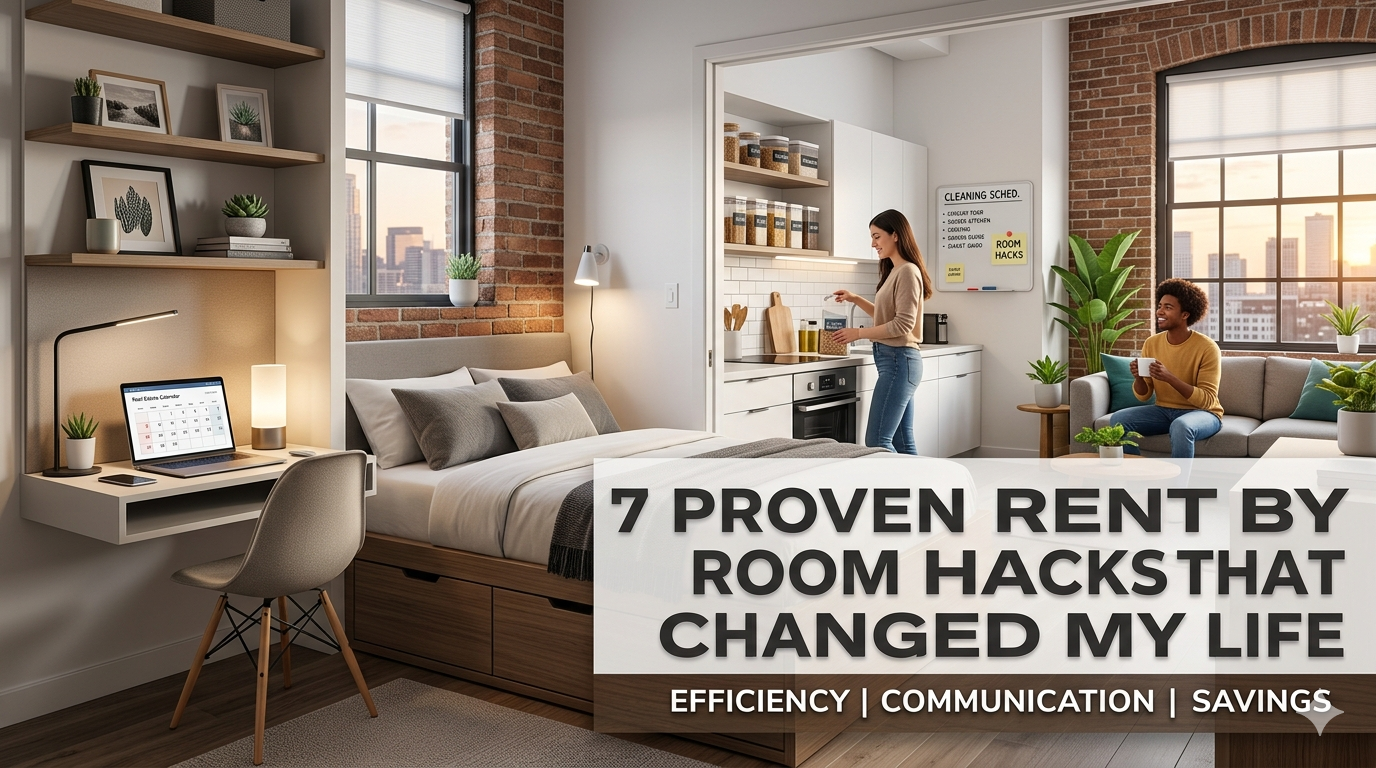

Renting by room has become one of the most practical ways to reduce housing costs, especially in cities where full apartments are expensive. Instead of paying for an entire unit, tenants share common spaces while paying only for their private room. However, saving money in this setup is not automatic—you need smart strategies.
This guide breaks down 10 practical rent-by-room moves that actually reduce your monthly expenses while improving your living experience.
Understanding rent-by-room living
Before diving into strategies, it helps to understand how rent-by-room systems typically work.
Basic structure:
- You rent a private bedroom
- Kitchen, bathroom, and living room are shared
- Bills may be included or split separately
- Contracts can be individual or joint
Cost comparison table:
| Housing Type | Average Monthly Cost | Utilities Included | Flexibility | Risk Level |
|---|---|---|---|---|
| Studio Apartment | High | Sometimes | Medium | Low |
| 1-Bed Apartment | High | Sometimes | Medium | Low |
| Rent by Room | Low to Medium | Often split | High | Medium |
| Shared Whole House | Medium | Split | Medium | Medium |
- Choose location strategically, not emotionally
Location is the biggest cost driver in rent-by-room housing. Many tenants overpay just to live in trendy neighborhoods.
Smart move:
Pick a slightly less central area with strong transport links.
Savings breakdown:
| Location Type | Monthly Rent Range | Transport Cost | Total Monthly Cost |
|---|---|---|---|
| City Center | High | Low | Very High |
| Inner Suburb | Medium | Medium | Medium |
| Outer Suburb | Low | High | Medium-Low |
Key insight: The cheapest rent isn’t always the cheapest lifestyle.
- Negotiate rent instead of accepting listing price
In room rentals, prices are often flexible—especially for long-term tenants.
Negotiation strategies:
- Offer longer lease terms
- Pay a few months upfront (if safe)
- Move in immediately to fill vacancy gaps
Example negotiation outcomes:
| Listed Rent | Negotiated Rent | Savings per Month |
|---|---|---|
| $600 | $550 | $50 |
| $700 | $630 | $70 |
| $800 | $720 | $80 |
Even small reductions add up over a year.
- Understand utility splitting before moving in
Hidden costs often destroy the “cheap rent” advantage.
Common utility issues:
- Unequal electricity usage
- Internet overcharges
- Water or gas mismanagement
Utility breakdown example:
| Utility | Fair Split Method | Risk of Overpaying |
|---|---|---|
| Electricity | Meter-based split | High |
| Internet | Equal split | Low |
| Water | Equal or usage-based | Medium |
Smart move: Always ask for average monthly utility bills before signing.
- Choose compatible roommates carefully
Roommate compatibility directly affects financial stability. Bad roommates often lead to hidden costs like replacement items, cleaning disputes, or early move-outs.
Compatibility factors:
- Work schedule alignment
- Cleanliness habits
- Noise tolerance
- Financial reliability
Roommate risk chart:
| Compatibility Level | Financial Stability | Stress Level |
|---|---|---|
| High | Strong savings | Low |
| Medium | Moderate savings | Medium |
| Low | Unstable costs | High |
A good roommate is a financial asset, not just a social choice.
- Avoid furnished traps unless necessary
Furnished rooms look convenient but often come with inflated rent.
Cost comparison:
| Room Type | Monthly Rent | Long-term Cost | Flexibility |
|---|---|---|---|
| Furnished | High | Expensive | Low |
| Unfurnished | Lower | Cheaper | High |
Smart move:
If staying more than 6–8 months, unfurnished rooms are usually cheaper.
- Share household supplies efficiently
Small recurring expenses can quietly drain your budget.
Examples:
- Cleaning products
- Toiletries (shared bathrooms)
- Kitchen essentials
Shared supply model:
| Item Type | Individual Cost | Shared Cost | Savings |
|---|---|---|---|
| Detergent | $10 | $4 | High |
| Cleaning sprays | $8 | $3 | High |
| Trash bags | $5 | $2 | Medium |
System tip:
Create a shared household fund to avoid confusion.
- Time your move-in for lower rent deals
Timing matters more than most people realize.
Best times to find lower rent:
- End of month
- Winter seasons
- Mid-week move-ins
- Off-university periods
Timing impact table:
| Season | Demand Level | Average Rent |
|---|---|---|
| Summer | High | Expensive |
| Winter | Low | Cheaper |
| Month-end | Medium | Discounted |
Smart timing can reduce rent by 10–20%.
- Use lease flexibility as leverage
Short-term flexibility often comes at a premium, but long-term commitment reduces costs.
Lease comparison:
| Lease Type | Rent Level | Flexibility | Savings Potential |
|---|---|---|---|
| Monthly | High | Very High | Low |
| 6 months | Medium | Medium | Medium |
| 12 months | Low | Low | High |
If stability is possible, longer leases usually save money.
- Minimize lifestyle inflation in shared spaces
When living in shared housing, people often spend more socially (eating out, buying extras, decorating).
Hidden cost areas:
- Food delivery habits
- Shared entertainment subscriptions
- Impulse furniture purchases
Monthly spending comparison:
| Category | Solo Budget | Shared Living Budget |
|---|---|---|
| Food delivery | High | Medium |
| Utilities extras | Medium | Low |
| Leisure | Medium | High (social effect) |
Awareness prevents unnecessary spending creep.
- Build exit strategy before entering
Many tenants lose money because they don’t plan exit timing.
Smart exit planning:
- Check notice period rules
- Understand deposit return conditions
- Know subletting options
Exit cost table:
| Exit Type | Cost Risk | Flexibility |
|---|---|---|
| Early termination | High | Low |
| Subletting | Medium | Medium |
| Full notice exit | Low | High |
A clear exit plan protects your deposit and prevents rushed decisions.
Final thoughts
Rent-by-room living can be one of the most cost-effective housing strategies if approached strategically. The key is not just finding a cheap room but actively managing hidden costs, roommate dynamics, timing, and lease structure.
Most people overspend not because rent is high, but because they overlook the small financial mechanics behind shared living.
FAQs
- Is rent-by-room always cheaper than renting an apartment?
Not always. It depends on location, utilities, and roommate quality. In many cities it is cheaper, but poor management can make it more expensive. - How do I avoid bad roommates?
Screen them carefully, ask about habits, income stability, and past rental history before agreeing to move in. - Are utilities usually included in rent-by-room setups?
Sometimes yes, but often they are split separately. Always confirm before signing a contract. - What is the biggest hidden cost in room rentals?
Utilities and lifestyle inflation are the biggest hidden costs. - Is furnished or unfurnished better for saving money?
Unfurnished is usually cheaper long-term, while furnished is better for short stays. - Can I negotiate rent in shared housing?
Yes. Many landlords are open to negotiation, especially for longer leases or immediate move-ins.