Rent-by-room living is one of the most affordable and flexible housing arrangements available today, especially in urban environments where rental prices are high. However, while cost savings are a major advantage, safety is often overlooked.
Unlike renting an entire apartment, rent-by-room arrangements involve shared access, multiple occupants, and varying levels of trust. This creates unique risks that need structured safety rules.
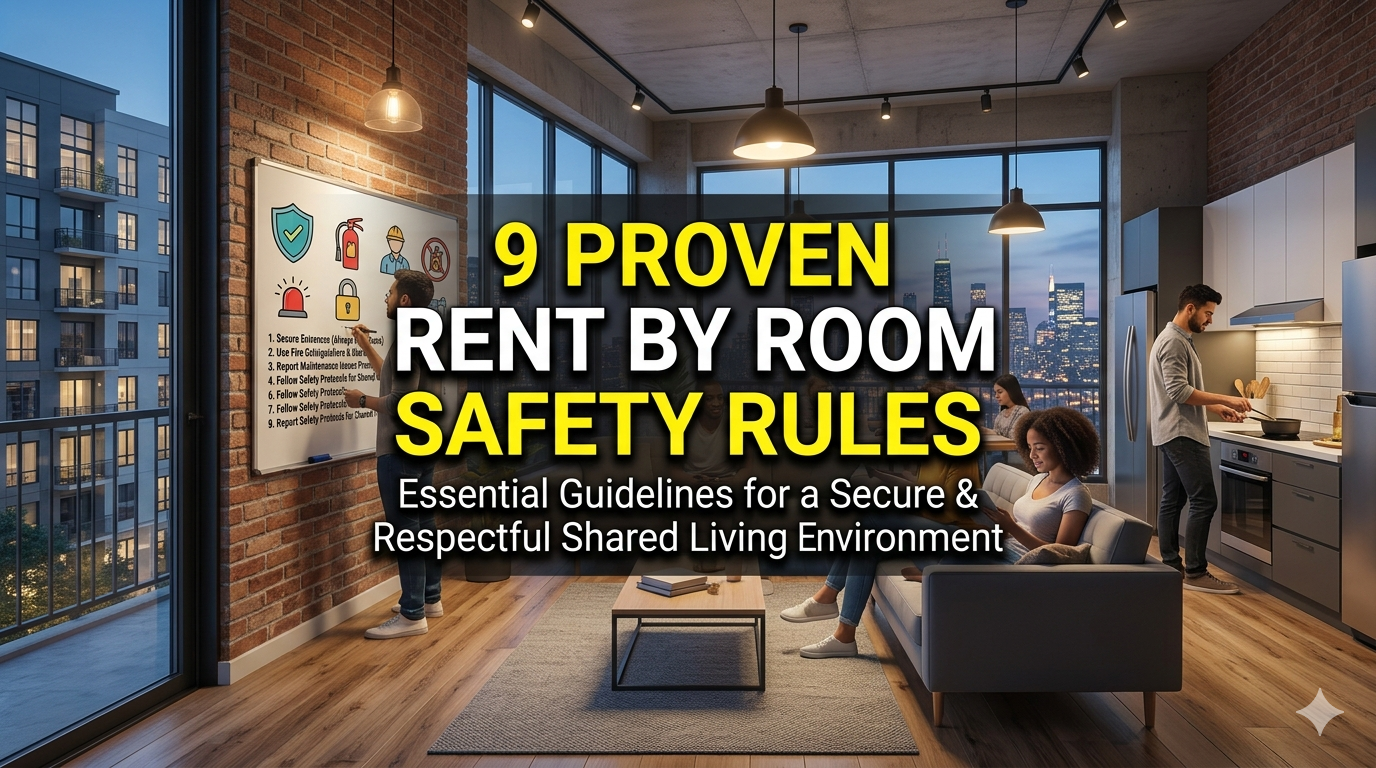
This article explores nine proven rent-by-room safety rules that help protect your finances, privacy, belongings, and personal well-being.
Understanding Safety in Rent-by-Room Living
Safety in shared housing is not just about physical security. It includes:
- Personal security (theft prevention, access control)
- Financial safety (avoiding scams or unfair charges)
- Emotional safety (avoiding toxic living environments)
- Digital safety (privacy of devices and data)
- Legal safety (clear agreements and rights)
When these areas are ignored, even cheap rent can become expensive in the long run.
Common Safety Risks in Rent-by-Room Arrangements
| Risk Type | Example Situation | Impact Level |
|---|---|---|
| Theft | Missing personal items | High |
| Privacy violation | Unauthorized room entry | High |
| Financial fraud | Fake utility bills or deposits | High |
| Unsafe roommates | Aggressive or irresponsible behavior | Very High |
| Poor documentation | Verbal-only rental agreements | Medium |
| Utility disputes | Overcharging for shared bills | Medium |
Understanding risks is the first step toward preventing them.
Rule 1: Always Verify the Property and Landlord Identity
One of the biggest safety mistakes renters make is trusting listings without verification.
Before moving in, confirm:
- Landlord identity (government ID or ownership proof)
- Property ownership documents
- Legal permission for subletting (if applicable)
- Actual room condition vs listing photos
Verification Checklist:
| Item to Verify | Why It Matters | Risk If Ignored |
|---|---|---|
| Ownership proof | Prevent scams | High financial loss |
| Identity of landlord | Avoid fake listings | Fraud risk |
| Subletting legality | Avoid eviction issues | Legal complications |
| Physical inspection | Detect hidden damage | Safety hazards |
Key Insight:
Never transfer money before physically verifying the property.
Rule 2: Use Written Agreements for Everything

Verbal agreements are one of the most dangerous aspects of rent-by-room living.
A written agreement should include:
- Monthly rent amount
- Utility sharing rules
- Deposit terms
- Guest policies
- Cleaning responsibilities
- Exit notice period
Agreement Comparison:
| Agreement Type | Security Level | Dispute Risk | Legal Protection |
|---|---|---|---|
| Verbal | Low | High | None |
| Written | High | Low | Strong |
Key Insight:
A simple written document prevents most conflicts before they happen.
Rule 3: Control Access to Your Personal Space
Privacy is a major concern in shared housing environments.
Best practices include:
- Locking your room at all times
- Avoiding sharing keys unnecessarily
- Using secure storage for valuables
- Installing small portable locks if needed
Access Control Safety Chart:
| Measure | Effectiveness | Cost |
|---|---|---|
| Door lock upgrade | High | Low |
| Portable lock box | Medium | Low |
| Smart lock system | Very High | Medium/High |
| Room camera (inside) | Medium | Medium |
Key Insight:
Even trustworthy roommates should not have unrestricted access to your private space.
Rule 4: Set Clear Rules for Shared Visitors
Visitors can significantly impact safety in shared housing.
Common issues include:
- Unauthorized overnight guests
- Noise disturbances
- Security concerns
- Increased utility usage
- Privacy violations
Visitor Policy Framework:
| Rule Area | Recommended Policy |
|---|---|
| Overnight guests | Require group consent |
| Entry timing | No late-night entry without notice |
| Frequency | Limit per week |
| Accountability | Host responsible for guest |
Key Insight:
Most roommate conflicts begin with unclear guest rules.
Rule 5: Protect Your Financial Information

Financial safety is often overlooked in shared housing environments.
Risks include:
- Shared bills being inflated
- Unauthorized payments
- Exposure of banking details
- Mismanaged deposit returns
Financial Protection Checklist:
| Action | Safety Benefit |
|---|---|
| Separate payment accounts | High protection |
| Digital payment tracking | Transparency |
| Receipts for all payments | Legal proof |
| Split bill apps | Reduced conflict |
Key Insight:
Never mix personal finances with shared household expenses.
Rule 6: Monitor Utility Usage Transparently
Utility disputes are one of the most common problems in rent-by-room setups.
Issues often arise due to:
- Unequal electricity usage
- Hidden charges
- Lack of meter transparency
- Seasonal bill fluctuations
Utility Safety Table:
| Utility Type | Risk Level | Best Practice |
|---|---|---|
| Electricity | High | Shared meter tracking |
| Water | Medium | Fixed monthly split |
| Gas | High | Usage-based calculation |
| Internet | Low | Equal split |
Key Insight:
Always insist on transparent billing methods.
Rule 7: Be Careful With Shared Appliances and Equipment
Shared appliances can become a source of conflict and even danger.
Risks include:
- Electrical hazards
- Misuse or damage
- Hygiene issues
- Ownership disputes
Appliance Safety Guide:
| Appliance | Safety Rule |
|---|---|
| Refrigerator | Label personal food |
| Washing machine | Scheduled usage rotation |
| Stove | Clean after each use |
| Heater/AC | Energy usage limits |
Key Insight:
Shared ownership requires shared responsibility.
Rule 8: Maintain Emergency Preparedness
Many renters forget basic emergency preparedness in shared environments.
Essential preparations include:
- Knowing all exits
- Fire extinguisher location
- Emergency contact list
- First aid kit availability
- Backup phone charging options
Emergency Preparedness Table:
| Item | Importance Level |
|---|---|
| Fire extinguisher | Very High |
| First aid kit | High |
| Emergency contacts | High |
| Flashlight | Medium |
| Backup keys | High |
Key Insight:
Safety planning is most important before emergencies happen.
Rule 9: Trust, but Verify Roommate Behavior
Roommate behavior directly impacts safety, finances, and mental well-being.
Warning signs include:
- Avoiding financial transparency
- Frequent rule-breaking
- Aggressive communication
- Lack of hygiene responsibility
- Unpredictable guests
Roommate Risk Assessment:
| Behavior Type | Risk Level |
|---|---|
| Responsible & clean | Low |
| Neutral | Medium |
| Unpredictable | High |
| Aggressive | Very High |
Key Insight:
Comfortable living depends more on people than on property.
Safety Improvement Summary Chart
| Safety Area | Without Rules | With Safety Rules |
|---|---|---|
| Financial safety | Low | High |
| Physical safety | Medium | High |
| Privacy | Low | High |
| Conflict level | High | Low |
| Overall stability | Unstable | Stable |
Common Mistakes Renters Make
Even experienced renters sometimes overlook key safety practices:
- Not signing written agreements
- Ignoring landlord verification
- Sharing personal keys too easily
- Not tracking shared expenses
- Avoiding confrontation until problems escalate
Avoiding these mistakes is often more important than saving money.
FAQs
- What is the biggest safety risk in rent-by-room living?
The biggest risk is lack of formal agreements, which can lead to disputes and financial loss. - How can I ensure my belongings are safe in shared housing?
Use locks, secure storage, and avoid leaving valuables in shared spaces. - Should I trust verbal rental agreements?
No. Always insist on written agreements for legal and financial protection. - How do I handle unsafe roommates?
Document issues, communicate clearly, and involve the landlord if necessary. - Are rent-by-room arrangements legally safe?
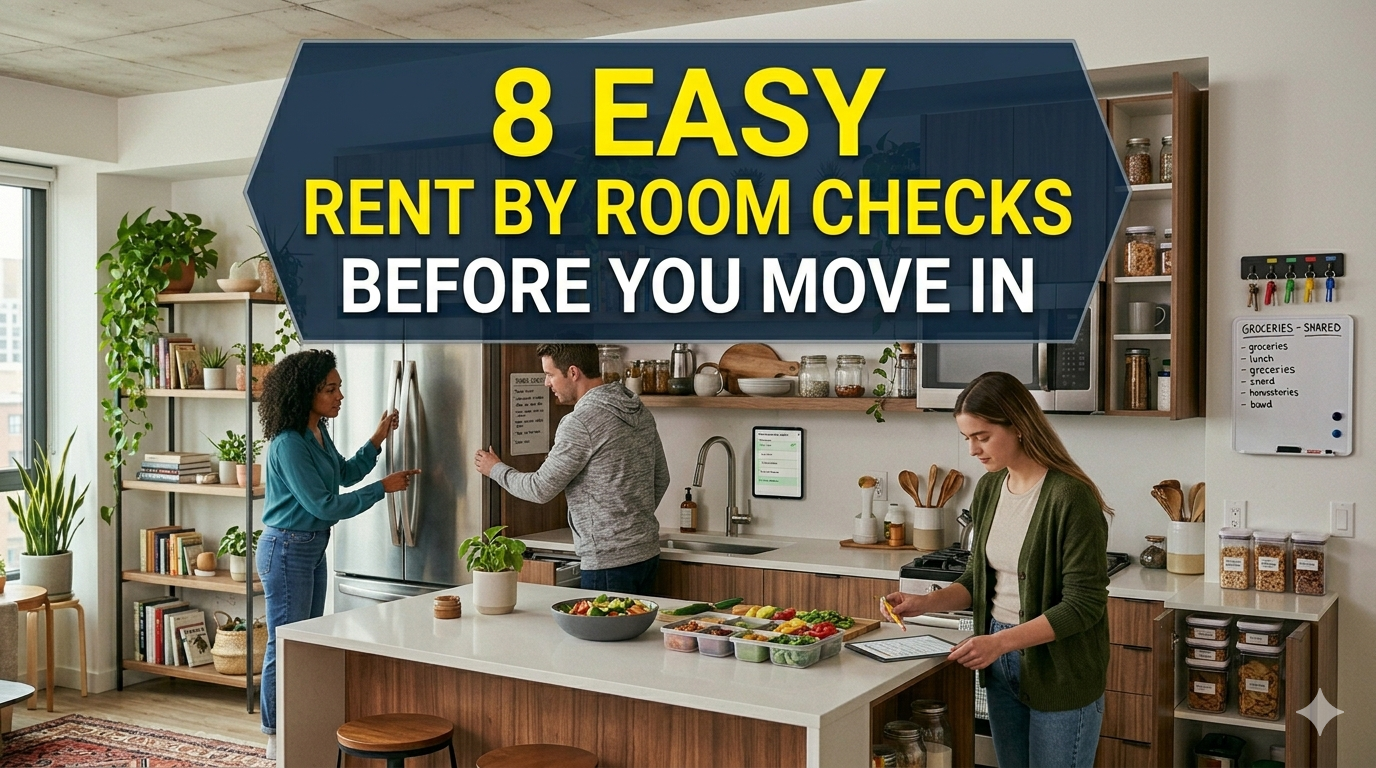
Yes, if proper documentation and legal subletting permissions are in place. - What should I do before moving into a shared room?
Verify landlord identity, inspect the property, review agreements, and understand house rules.