Renting by the room has quietly become one of the most practical ways to cut living costs, especially in cities where full-apartment rents keep climbing. On the surface, it looks simple: you pay for a room, share common spaces, and save money. But beneath that simplicity lies a system full of small details, overlooked opportunities, and, occasionally, hidden disadvantages that landlords rarely explain upfront.
This article digs into ten lesser-known, cost-saving secrets about renting by the room. These aren’t gimmicks—they’re grounded in real patterns renters discover over time. If you understand them early, you can avoid common traps and stretch your budget much further.
secret 1: the “per room premium” isn’t always fixed
Landlords often price rooms individually with a built-in margin, meaning the total collected rent from all rooms exceeds what the full property would rent for. This is one of the reasons rent-by-room models are profitable for property owners.
What they don’t advertise is that this pricing is often flexible, especially when:
- A room has been vacant for a while
- It’s off-season (fewer renters moving)
- The room is smaller or less desirable
Many renters assume listed prices are non-negotiable, but in reality, landlords may quietly reduce rates rather than leave a room empty.
Typical rent structure comparison:
| Property Type | Total Monthly Rent | Rooms | Rent per Room | Total Collected |
|---|---|---|---|---|
| Full apartment lease | $1,200 | 3 | — | $1,200 |
| Room-by-room rental | — | 3 | $450 | $1,350 |
Insight: Even a small negotiation (e.g., $25–$50 reduction) can make a meaningful difference over a year.
secret 2: smaller rooms can be smarter financially
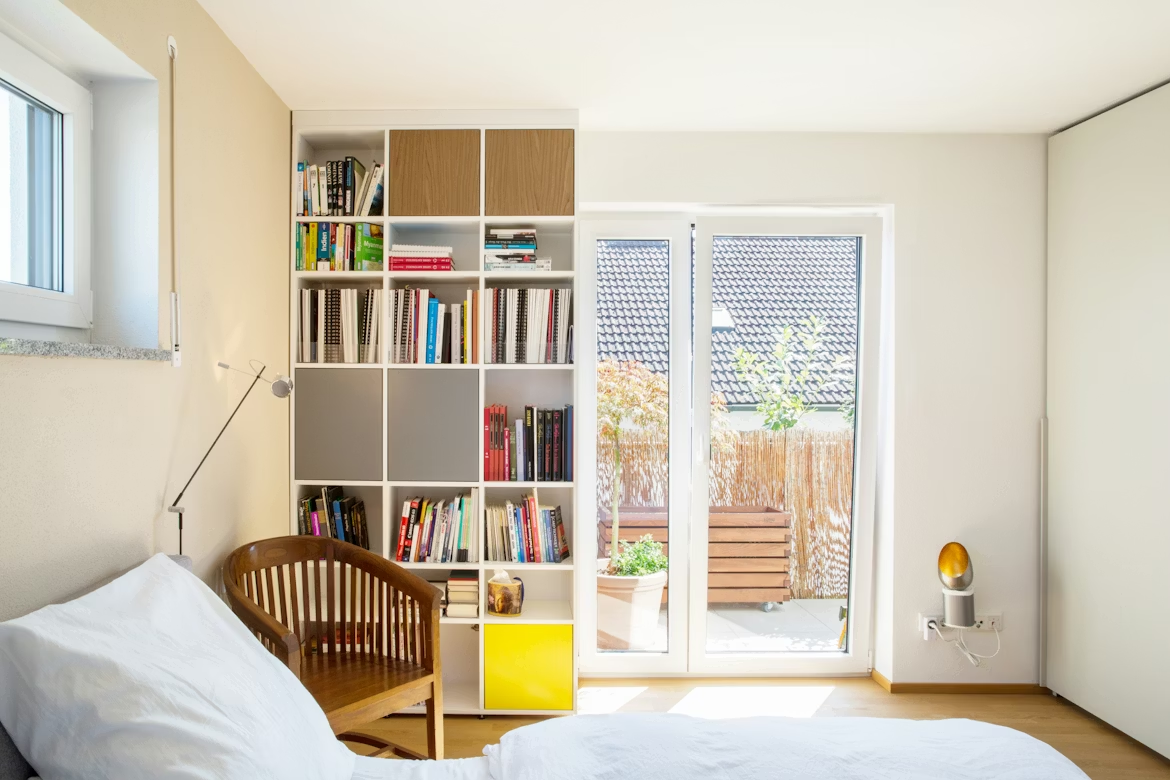
It’s tempting to choose the biggest room available, but in shared housing, the price difference doesn’t always match the size difference. Often, a significantly smaller room might only be slightly cheaper—or sometimes much cheaper due to lower demand.
Cost-efficiency comparison:
| Room Size | Monthly Rent | Square Feet | Cost per Sq Ft |
|---|---|---|---|
| Large | $500 | 200 | $2.50 |
| Medium | $450 | 150 | $3.00 |
| Small | $350 | 100 | $3.50 |
While the cost per square foot is higher for smaller rooms, the total monthly savings are what matter most in your budget. If you spend most of your time outside or in shared areas, a smaller room can be the smarter choice.
secret 3: shared utilities can hide inefficiencies
Many rent-by-room setups include utilities in the rent. That sounds convenient, but it can mask inefficiencies:
- Overuse by other tenants
- Poor insulation or outdated appliances
- Lack of accountability
If utilities are included, landlords may inflate rent slightly to cover unpredictable usage.
If utilities are separate, ask for past averages. You’ll often find significant variation depending on season and usage habits.
Average shared utility costs per person:
| Utility Type | Monthly Average (per person) |
|---|---|
| Electricity | $20–$50 |
| Water | $10–$25 |
| Internet | $10–$20 |
| Gas | $15–$40 |
Secret advantage: If utilities aren’t included, energy-conscious renters can save more than expected.
secret 4: turnover benefits landlords more than tenants
Room rentals tend to have higher turnover rates than full-apartment leases. Landlords benefit because:
- They can raise prices between tenants
- They collect new deposits or fees
- They reduce long-term obligations
For renters, however, high turnover can mean unstable living conditions.
Hidden strategy: Look for houses where tenants stay longer. That usually signals:
- Fair pricing
- Better management
- More stable living environment
secret 5: furnished rooms often cost more than they’re worth
Furnished rooms seem convenient, especially for short-term stays. But landlords often charge a premium that exceeds the actual value of the furniture.
Typical pricing difference:
| Room Type | Monthly Rent | Added Value of Furniture |
|---|---|---|
| Unfurnished | $350 | — |
| Furnished | $450 | ~$200 total furniture |
Over time, you may pay far more than the furniture is worth. If you’re staying longer than 6–8 months, buying basic secondhand furniture can be cheaper.
secret 6: lease terms can be more flexible than advertised

Many listings show fixed lease lengths (6 months, 12 months), but landlords often accept:
- Month-to-month agreements
- Shorter leases with slightly higher rent
- Flexible move-out terms
Why they don’t mention it: they prefer predictable income but will adapt if it helps fill vacancies quickly.
Negotiation tip: If you need flexibility, offer something in return, such as:
- Slightly higher rent
- Faster move-in
- Paying a deposit immediately
secret 7: location trade-offs are often misunderstood
People usually focus on central locations, assuming they save time and money. But with rent-by-room setups, the difference between central and slightly suburban areas can be dramatic.
Rent comparison by location:
| Area Type | Average Room Rent | Transport Cost | Total Monthly Cost |
|---|---|---|---|
| City center | $600 | $20 | $620 |
| Mid-distance | $450 | $50 | $500 |
| Outer area | $300 | $100 | $400 |
Even after factoring in transportation, outer areas can still be significantly cheaper.
secret 8: common areas are part of your real living space
Renters often underestimate how important shared areas are:
- Kitchen
- Living room
- Bathroom
A cheaper room in a poorly maintained house can reduce your overall quality of life.
Checklist before choosing:
- Is the kitchen usable during peak times?
- Are bathrooms shared by too many people?
- Is there enough storage?
A slightly more expensive room with better shared space can feel far more livable.
secret 9: hidden fees quietly increase your cost
Landlords don’t always highlight additional costs clearly. These may include:
- Cleaning fees
- Maintenance contributions
- Internet upgrades
- Parking charges
Example cost breakdown:
| Cost Type | Monthly Impact |
|---|---|
| Base rent | $400 |
| Cleaning fee | $20 |
| Internet upgrade | $10 |
| Parking | $30 |
| Total | $460 |
Always calculate the full monthly cost before committing.
secret 10: roommate compatibility affects financial stability
This is one of the most overlooked factors. Poor roommate dynamics can lead to:
- Early move-outs
- Lost deposits
- Unexpected relocation costs
A stable household helps you avoid hidden financial losses.
Things to observe:
- Cleanliness habits
- Work schedules
- Noise levels
- Communication style
A cheaper room isn’t a good deal if it forces you to move out early.
practical savings chart: long-term impact of small differences
Even small monthly savings can add up significantly.
| Monthly Savings | 6 Months | 12 Months | 24 Months |
|---|---|---|---|
| $25 | $150 | $300 | $600 |
| $50 | $300 | $600 | $1,200 |
| $100 | $600 | $1,200 | $2,400 |
The takeaway: negotiating or choosing wisely at the beginning can have a lasting financial impact.
real-world scenario comparison
Let’s compare two renters:
| Factor | Renter A (Uninformed) | Renter B (Informed) |
|---|---|---|
| Room rent | $500 | $420 |
| Utilities | Included (inflated) | Separate ($40 avg) |
| Hidden fees | $50 | $10 |
| Total monthly cost | $550 | $470 |
Annual difference: $960 saved by making informed decisions.
final thoughts
Renting by the room can be a powerful financial strategy—but only if you understand how the system works. Landlords optimize for profit, which is expected. But as a renter, your advantage comes from awareness.
The difference between an average deal and a great one often lies in small details:
- Asking the right questions
- Looking beyond the surface
- Thinking long-term
If you approach rent-by-room decisions strategically, you can reduce costs without sacrificing comfort.
faqs
- is renting by the room always cheaper than renting an apartment?
Not always. While it’s usually cheaper upfront, hidden fees, shared utilities, and premium pricing can sometimes narrow the gap. It depends on the property and location. - can i negotiate rent for a room?
Yes. Many landlords are open to negotiation, especially if a room has been vacant or you’re willing to move in quickly. - are furnished rooms worth it?
They can be for short stays. For longer stays, furnishing your own space is often more cost-effective. - what should i check before moving into a shared house?
Focus on shared spaces, roommate behavior, cleanliness, and any hidden costs. These factors affect both comfort and long-term expenses. - how do i avoid hidden fees?
Ask for a full breakdown of all monthly and one-time costs before signing anything. Don’t rely only on the listed rent. - what’s the biggest mistake renters make in room rentals?
Choosing based only on price without considering roommates, shared space quality, and total monthly cost.