There’s a quiet shift happening in how people think about renting. The traditional model—one tenant, one lease, one full unit—is no longer the only practical path. Rising housing costs, changing lifestyles, remote work, and the desire for flexibility have pushed many renters toward a more modular way of living: renting by the room.
At first glance, it sounds simple. You split a property into individual rooms and rent them separately. But anyone who has tried it knows there’s more nuance involved. The difference between a chaotic shared house and a well-functioning, affordable living setup often comes down to strategy.
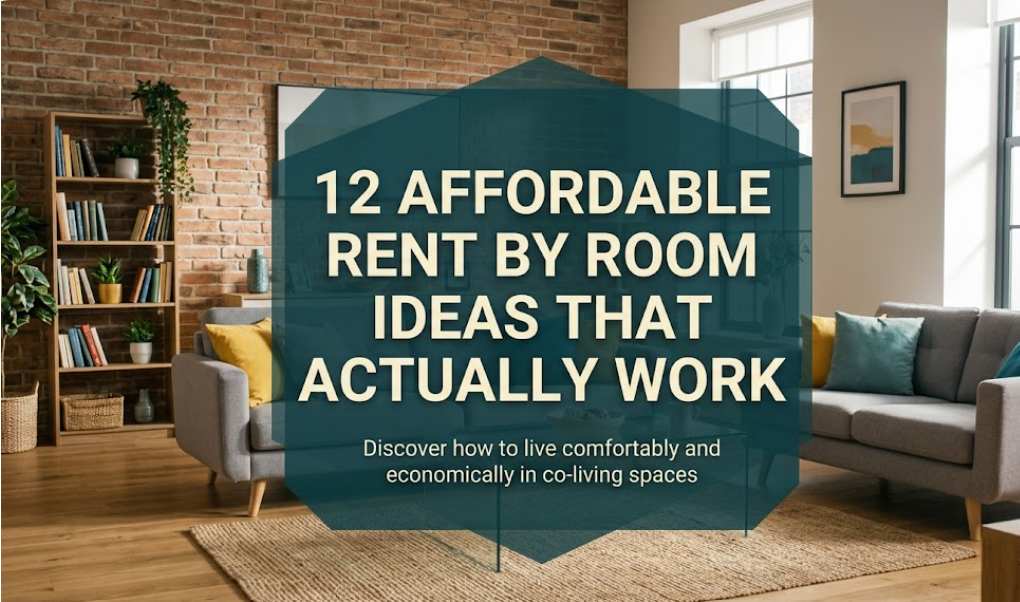
This article walks through twelve ideas that go beyond theory. These are approaches that people actually use—sometimes out of necessity, sometimes out of creativity—to make rent-by-room living both affordable and sustainable.
- Start with a room-first mindset, not a house-first one
Most beginners make the same mistake: they pick a house they like, then figure out how to divide it into rooms. That’s backwards.
Instead, evaluate properties based on how well they can function as independent room units. A “good” rent-by-room property isn’t necessarily the prettiest or largest—it’s the one that allows privacy, easy access, and minimal friction between occupants.
Look for:
- Multiple bathrooms
- Natural separation between rooms
- Independent entry possibilities
- Minimal shared choke points (like one tiny kitchen for six people)
Informational table: property suitability checklist
| Feature | Ideal Scenario | Why It Matters |
|---|---|---|
| Bathrooms | 1 per 2 tenants max | Reduces conflict |
| Room size | 10×10 ft or larger | Livable for long-term |
| Entry points | Multiple or flexible access | Privacy and independence |
| Kitchen layout | Open or multi-zone | Avoids congestion |
| Sound insulation | Thick walls / spacing | Better living experience |
When you think “room-first,” affordability becomes easier because the structure already supports your strategy.
- Use tiered pricing instead of equal splits
Not all rooms are equal, so pricing them equally rarely works. A room with a window, attached bathroom, or more space carries more value—and people are willing to pay for it.
Instead of dividing rent evenly, assign value to each room.
Example chart: sample tiered pricing model
| Room Type | Features | Monthly Rent Share |
|---|---|---|
| Premium Room | Large, attached bath, balcony | 30% |
| Standard Room | Medium size, shared bath | 25% |
| Compact Room | Smaller, basic | 20% |
| Shared Room (2 beds) | Split between two occupants | 25% (12.5% each) |
This approach:
- Makes rent feel fair
- Attracts a wider range of tenants
- Maximizes occupancy
Equal splitting sounds simple but often leads to resentment or vacancies. Tiered pricing reflects reality.
- Turn common areas into functional shared assets

In many shared homes, common areas become wasted space or sources of conflict. But when used properly, they reduce costs for everyone.
Instead of:
- Large unused living rooms
- Decorative dining spaces
Convert them into:
- Co-working zones
- Shared storage
- Multi-use relaxation spaces
Example transformation:
| Original Space | Conversion Idea | Cost Impact |
|---|---|---|
| Dining room | Study/work area | Saves on external offices |
| Living room | Lounge + shared TV | Reduces personal spending |
| Hall storage | Organized lockers | Improves usability |
This reduces the need for tenants to spend elsewhere, which indirectly makes your setup more affordable and appealing.
- Include utilities in rent—but smartly
“All-inclusive rent” is attractive, but it can backfire if not controlled.
Instead of unlimited usage, introduce soft caps or fair usage policies.
Example structure:
| Utility | Included Limit | Overage Policy |
|---|---|---|
| Electricity | Up to X kWh/month | Shared extra cost |
| Internet | Fully included | Upgrade split if needed |
| Water | Reasonable usage | Rarely exceeded |
| Gas | Basic cooking use | Shared if excessive |
This keeps pricing simple while protecting against abuse.
Tenants prefer predictability, but they also understand fairness when limits are transparent.
- Furnish only what matters
A common trap is over-furnishing rooms to “increase value.” In reality, too much furniture can make rooms feel cramped and raise costs unnecessarily.
Focus on essentials:
- Bed
- Mattress
- Wardrobe
- Basic desk
Optional add-ons can be offered at extra cost.
Minimal furnishing cost breakdown:
| Item | Budget Option | Long-Term Value |
|---|---|---|
| Bed frame | Low | High |
| Mattress | Medium | Very high |
| Wardrobe | Medium | High |
| Desk | Low | Medium |
A lean setup keeps initial investment low and avoids frequent replacements.
- Offer flexible lease terms
Long leases can scare away potential tenants, especially students, freelancers, or short-term workers.
Instead, offer:
- Monthly rolling options
- 3-month minimum stays
- Discounted longer commitments
Example pricing model:
| Lease Length | Monthly Rent |
|---|---|
| 1 month | $120 |
| 3 months | $110 |
| 6 months | $100 |
Flexibility increases occupancy, which is often more important than maximizing per-room rent.
- Screen for compatibility, not just affordability
One difficult tenant can disrupt an entire house.
Instead of focusing only on income, consider:
- Lifestyle habits
- Work schedules
- Cleanliness expectations
Quick screening matrix:
| Factor | Questions to Ask |
|---|---|
| Schedule | Day or night routine? |
| Work type | Remote or outside? |
| Cleanliness | Shared responsibility comfort? |
| Social level | Quiet or social preference? |
A compatible household reduces turnover and hidden costs.
- Create shared rules that are actually enforceable
Rules often fail because they’re vague or unrealistic.
Instead of:
“Keep the place clean”
Use:
- Cleaning schedule rotations
- Defined quiet hours
- Shared expense tracking
Example:
| Rule Category | Specific Rule |
|---|---|
| Cleaning | Weekly rotation per room |
| Noise | Quiet hours after 11 PM |
| Guests | Max 2 nights per week |
| Bills | Split via shared app |
Clarity prevents conflict.
- Use shared subscriptions to reduce individual costs

Instead of each tenant paying separately for services, bundle them.
Examples:
- Streaming platforms
- Cleaning services
- Bulk groceries
Shared cost chart:
| Service | Individual Cost | Shared Cost per Person |
|---|---|---|
| Internet | $20 | $5 |
| Streaming | $10 | $2 |
| Cleaning | $15 | $5 |
This creates perceived value without major expense.
- Optimize occupancy without overcrowding
There’s a fine line between efficient use and overcrowding.
Guideline:
| Room Size | Max Occupants |
|---|---|
| < 100 sq ft | 1 |
| 100–150 sq ft | 1–2 |
| > 150 sq ft | 2 |
Overcrowding may increase short-term income but leads to:
- Faster wear and tear
- Tenant dissatisfaction
- Higher turnover
Balance is key.
- Reduce vacancy with continuous listing strategies
Don’t wait until a room is empty to start advertising.
Instead:
- Keep listings updated
- Build a waiting list
- Use referrals from current tenants
Vacancy impact example:
| Vacancy Duration | Annual Income Loss |
|---|---|
| 1 week | Minimal |
| 1 month | Significant |
| 2+ months | Severe |
Consistency beats urgency.
- Treat the setup like a system, not a side hustle
Rent-by-room only works long-term when it’s treated as a structured system.
Track:
- Expenses
- Maintenance cycles
- Tenant turnover rates
Basic monthly tracking table:
| Category | Amount |
|---|---|
| Total Rent | $1000 |
| Utilities | $200 |
| Maintenance | $100 |
| Net Income | $700 |
This visibility helps you refine and improve over time.
Putting it all together
When these ideas are combined, something interesting happens. The model stops feeling like a compromise and starts functioning like a deliberate lifestyle choice.
A well-run rent-by-room setup:
- Feels affordable without feeling restrictive
- Encourages shared responsibility
- Adapts to different tenant needs
It’s not just about cutting costs—it’s about structuring living in a way that makes economic sense without sacrificing comfort.
FAQs
- Is renting by the room cheaper than renting a full apartment?
In most cases, yes. Because costs are divided among multiple tenants, individuals typically pay less than they would for a private unit. However, savings depend on location, property quality, and how efficiently the space is managed. - What are the biggest risks in rent-by-room setups?
The main risks include incompatible tenants, unclear rules, and poor property layout. These can lead to conflicts, high turnover, and unexpected costs. - How do you handle shared utility bills fairly?
The best approach is either to include utilities with fair usage limits or split them evenly using tracking tools. Transparency is essential to avoid disputes. - Can landlords legally rent by the room everywhere?
Regulations vary by region. Some areas have zoning or occupancy limits. It’s important to check local housing laws before setting up a rent-by-room arrangement. - How do you find reliable roommates or tenants?
Screening is key. Ask about lifestyle habits, work schedules, and expectations. References and short trial stays can also help ensure compatibility. - Is furnishing necessary for rent-by-room properties?
Basic furnishing is usually recommended, as it attracts more tenants. However, over-furnishing should be avoided to keep costs low and spaces functional.