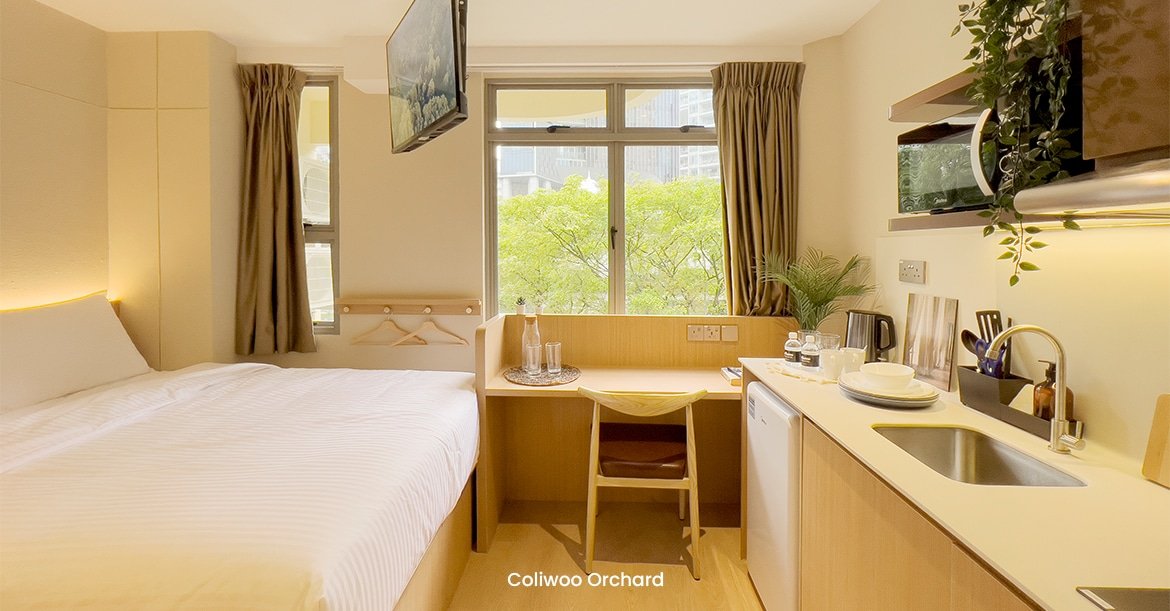

Renting by the room has become one of the most practical living arrangements for students, freelancers, and young professionals trying to balance affordability with independence. On the surface, it looks simple: split rent, share utilities, and save money. But the reality is more layered. Without a solid budgeting approach, even room-by-room renting can quietly drain your finances.
This guide walks through eight powerful, practical budgeting tips designed specifically for rent-by-room living. These aren’t abstract ideas—they’re grounded in real scenarios, trade-offs, and small decisions that shape your financial stability over time. Along the way, you’ll find tables and structured breakdowns to make the concepts easier to apply in daily life.
- Understand your true monthly cost, not just the rent
One of the most common mistakes renters make is focusing only on the base rent. When renting a room, the advertised price often excludes several recurring expenses. If you don’t account for them early, your “affordable” room can become surprisingly expensive.
Here’s a breakdown of what you should include in your real monthly cost:
Table 1: Typical Monthly Cost Breakdown for Rent-by-Room Living
| Expense Category | Estimated Range (PKR) | Notes |
|---|---|---|
| Room Rent | 15,000 – 40,000 | Depends on location and amenities |
| Electricity | 2,000 – 8,000 | Seasonal variation (higher in summer) |
| Gas | 500 – 2,500 | Cooking and heating |
| Internet | 1,000 – 3,000 | Often shared |
| Water | 500 – 1,500 | Sometimes included |
| Maintenance/Service | 1,000 – 5,000 | Cleaning, security, etc. |
| Groceries | 8,000 – 20,000 | Depends on lifestyle |
| Miscellaneous | 3,000 – 10,000 | Transport, snacks, repairs |
When you add everything up, a room listed at 20,000 PKR might actually cost closer to 35,000 PKR per month. Budgeting starts with clarity, not assumptions.
- Split smart, not just equally
Equal splitting sounds fair, but it isn’t always practical. In shared housing, usage patterns vary. Someone working from home will consume more electricity than someone out all day. A person cooking regularly uses more gas than someone ordering food daily.
Instead of defaulting to equal splits, consider a “usage-weighted” system.
Table 2: Example of Smart Utility Splitting
| Expense | Total Cost | Roommate A (WFH) | Roommate B (Office) | Roommate C (Student) |
|---|---|---|---|---|
| Electricity | 9,000 | 4,000 | 3,000 | 2,000 |
| Internet | 3,000 | 1,200 | 900 | 900 |
| Gas | 2,000 | 800 | 600 | 600 |
This method avoids resentment and keeps your budget predictable. It also encourages accountability—people become more mindful of their consumption.
- Build a “shared living buffer fund”
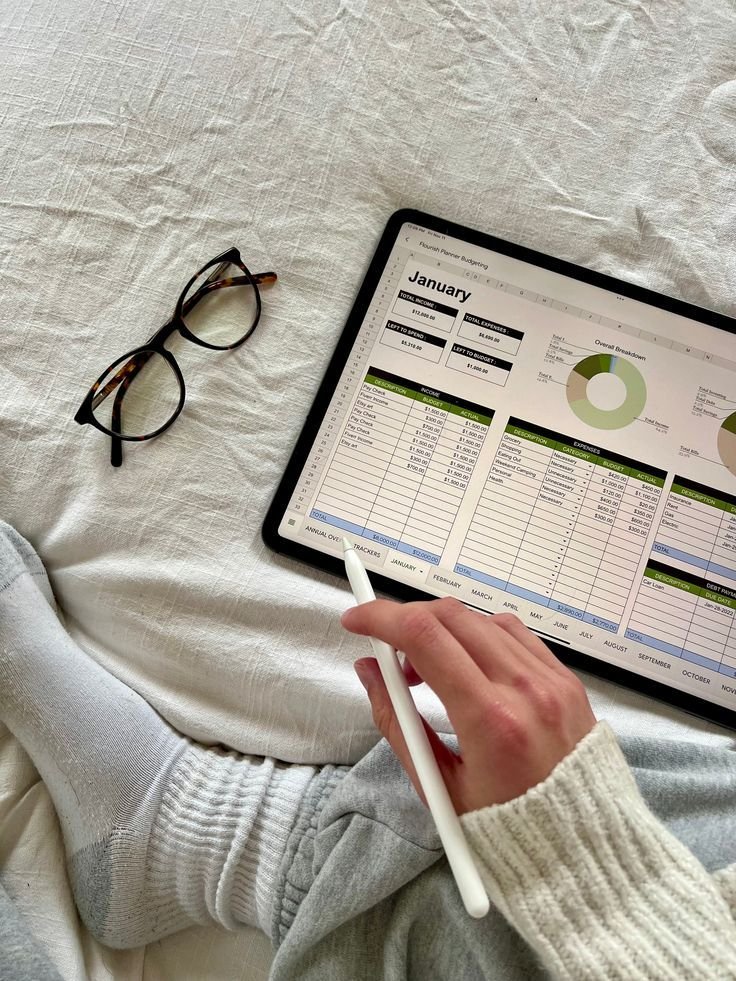
Unexpected expenses are part of shared living. A broken fan, plumbing issue, or sudden increase in utility bills can disrupt your finances if you’re not prepared.
A buffer fund is a small, shared pool of money contributed by all roommates monthly.
Suggested structure:
Table 3: Shared Buffer Fund Plan
| Number of Roommates | Monthly Contribution per Person | Total Monthly Fund |
|---|---|---|
| 2 | 1,000 | 2,000 |
| 3 | 800 | 2,400 |
| 4 | 700 | 2,800 |
This fund can cover repairs, emergency purchases, or even cleaning services. It reduces stress and prevents last-minute financial scrambling.
- Track daily spending (yes, even small amounts)
In rent-by-room setups, people often underestimate how small daily expenses add up. Tea, snacks, ride-hailing, and impulse purchases quietly inflate your monthly spending.
A simple tracking habit can reveal surprising patterns.
Example daily log:
Table 4: Weekly Expense Tracking Sample
| Day | Expense Type | Amount (PKR) |
|---|---|---|
| Monday | Tea + Snacks | 300 |
| Tuesday | Ride-hailing | 600 |
| Wednesday | Groceries | 1,200 |
| Thursday | Fast Food | 800 |
| Friday | Coffee | 400 |
| Saturday | Entertainment | 1,500 |
| Sunday | Miscellaneous | 500 |
| Total | 5,300 |
That’s over 21,000 PKR a month from seemingly small expenses. Awareness is the first step toward control.
- Choose location strategically, not emotionally
Many renters pick a room based on comfort or aesthetics, ignoring location economics. A cheaper room far from your workplace can cost more in transportation and time.
Compare two scenarios:
Table 5: Location Cost Comparison
| Factor | Closer Location | Distant Location |
|---|---|---|
| Monthly Rent | 30,000 | 20,000 |
| Transport Cost | 3,000 | 10,000 |
| Time Spent Commuting | 30 mins/day | 2 hours/day |
| Total Monthly Cost | 33,000 | 30,000 |
At first glance, the distant option looks cheaper. But when you factor in time, energy, and convenience, the closer option often provides better value.
Budgeting isn’t just about money—it’s also about quality of life.
- Set personal spending boundaries within shared living
Living with others often leads to social spending—ordering food together, group outings, shared subscriptions. While these experiences are valuable, they can blur your financial boundaries.
Create a personal spending cap:
Example monthly allocation:
Table 6: Personal Spending Limits
| Category | Monthly Limit (PKR) |
|---|---|
| Dining Out | 5,000 |
| Entertainment | 4,000 |
| Online Subscriptions | 1,500 |
| Shopping | 3,000 |
| Total | 13,500 |
Communicate your limits clearly. It’s okay to skip outings or suggest budget-friendly alternatives. Financial discipline is easier when it’s intentional.
- Optimize shared resources creatively

Shared living gives you opportunities to save money through collaboration. Instead of each person spending separately, pooling resources can reduce costs significantly.
Ideas include:
- Bulk grocery shopping
- Shared cleaning supplies
- Rotational cooking schedules
- Group internet or streaming plans
Table 7: Individual vs Shared Cost Comparison
| Item | Individual Cost | Shared Cost (3 People) |
|---|---|---|
| Cooking Oil | 1,200 | 500 |
| Cleaning Supplies | 1,000 | 400 |
| Internet | 3,000 | 1,000 |
| Groceries | 10,000 | 7,500 |
Savings may seem small individually, but they compound over time.
- Plan for exit costs early
Many renters focus only on moving in, not moving out. But exit costs can be significant—security deposit deductions, cleaning charges, or relocation expenses.
Create a “moving-out fund” from the beginning.
Suggested plan:
Table 8: Moving-Out Fund Strategy
| Duration of Stay | Monthly Savings | Total Saved |
|---|---|---|
| 6 months | 2,000 | 12,000 |
| 12 months | 2,000 | 24,000 |
| 18 months | 2,000 | 36,000 |
This fund ensures you can transition smoothly without financial strain.
A simple budgeting chart for rent-by-room living
Below is a visual-style breakdown you can adapt:
Monthly Budget Allocation (Example)
Income: 60,000 PKR
- Rent + Utilities: 30,000 (50%)
- Groceries: 12,000 (20%)
- Transport: 5,000 (8%)
- Personal Spending: 8,000 (13%)
- Savings: 5,000 (9%)
This structure keeps essentials prioritized while still allowing flexibility.
Final thoughts
Rent-by-room living can be one of the most financially efficient ways to live—but only if managed carefully. Without budgeting, shared living can lead to confusion, hidden costs, and financial stress.
The key is awareness, communication, and consistency. Understand your real costs, split expenses fairly, track your spending, and plan ahead. Small habits, when repeated daily, shape your long-term financial stability.
FAQs
- Is renting by the room cheaper than renting an entire apartment?
In most cases, yes. Renting a room allows you to share major expenses like rent and utilities, making it more affordable. However, the actual savings depend on how well costs are managed and shared. - How do I deal with roommates who don’t pay their share on time?
Set clear expectations from the beginning. Use written agreements and shared tracking apps if possible. Consistency and transparency help prevent misunderstandings. - What’s the best way to track shared expenses?
You can use simple spreadsheets or budgeting apps. The key is to update regularly and ensure everyone has visibility. - Should I include savings in my budget even with low income?
Yes. Even a small amount saved consistently builds financial security over time. Treat savings as a fixed expense, not an afterthought. - How can I reduce utility bills in shared housing?
Encourage mindful usage—turn off unused appliances, share resources, and agree on usage patterns. Small changes can significantly reduce costs. - What should I check before moving into a rented room?
Look beyond rent—check utility arrangements, maintenance responsibilities, house rules, and overall living conditions. A cheaper room isn’t always the better deal.
If you approach rent-by-room living with intention and structure, it can become more than just a cost-saving choice—it can be a foundation for long-term financial growth.