

Sharing a room sounds simple at first—split the space, split the rent, and move in. But anyone who has actually lived with a roommate knows it’s a mix of cooperation, patience, habits, and constant adjustment. Even two well-meaning people can clash if expectations are not clear.
The good news is that stress-free room sharing is completely possible. It just requires the right structure and habits from day one.
Below are 9 easy, practical tips that help turn shared living into a peaceful experience instead of a daily struggle.
Tip 1: Start with clear expectations from day one
Most roommate problems don’t come from big issues—they come from unspoken assumptions. One person assumes quiet at night, the other assumes freedom. One expects cleaning rotation, the other thinks “clean as you go” is enough.
Setting expectations early removes confusion.
Expectation setting checklist:
| Topic | What to agree on |
|---|---|
| Sleep schedule | Quiet hours and flexibility |
| Cleaning | Who does what and when |
| Guests | Rules for visits and overnight stays |
| Food | Sharing vs personal storage |
| Bills | Split method and due dates |
When expectations are written or clearly discussed, misunderstandings reduce significantly.
Tip 2: Divide space fairly and visually
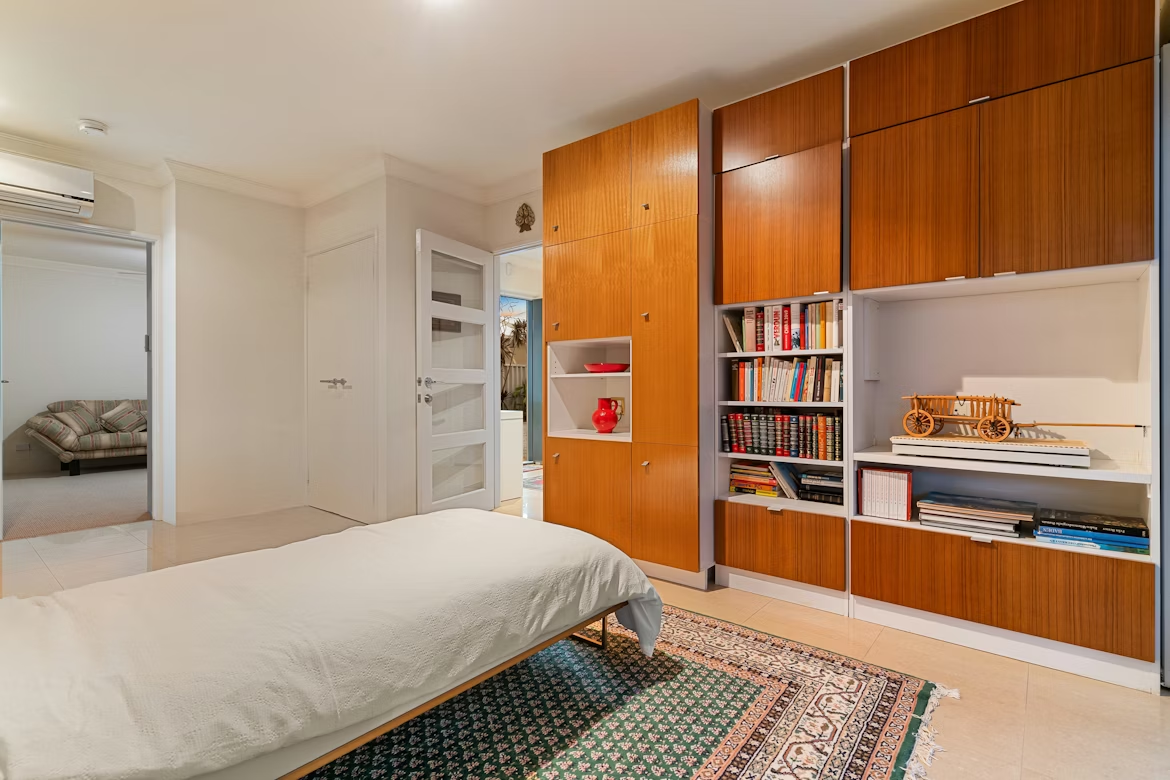
A shared room doesn’t mean shared everything. Each person should have a clearly defined personal zone.
Space division example:
| Area | Person A | Person B |
|---|---|---|
| Bed side | Left | Right |
| Closet space | 50% | 50% |
| Desk area | One desk / shared timing | One desk / shared timing |
| Storage bins | Labeled separately | Labeled separately |
Visual separation reduces accidental interference and helps maintain privacy.
Tip 3: Establish quiet hours that actually work
Noise is one of the fastest ways roommates lose patience with each other. Instead of assuming silence, define it.
Quiet hours planning chart:
| Time period | Suggested rule |
|---|---|
| Morning | Normal activity allowed |
| Afternoon | Flexible noise levels |
| Evening | Reduced noise |
| Night (10 PM–7 AM) | Strict quiet time |
Quiet hours don’t mean total silence—they mean respect for sleep and focus time.
Tip 4: Create a simple cleaning rhythm

A messy room creates mental stress even when people don’t realize it. The goal is not perfection but consistency.
Cleaning rotation model:
| Task | Frequency | Method |
|---|---|---|
| Floor cleaning | Weekly | Alternate turns |
| Trash removal | Every 2 days | Shared responsibility |
| Desk organization | Weekly | Individual responsibility |
| Shared surfaces | Daily quick wipe | Whoever uses it last |
A small daily effort prevents big cleaning problems later.
Tip 5: Respect personal belongings completely
One of the biggest roommate conflicts comes from “small borrowing” that isn’t actually discussed.
This includes chargers, clothes, food, headphones, or even toiletries.
Borrowing rule system:
- Always ask before using anything
- Never assume shared ownership
- Return items in the same condition
- Replace damaged or lost items immediately
Personal belongings are not shared by default unless clearly agreed.
Tip 6: Handle guests with mutual agreement
Guests can change the entire dynamic of a shared room. Even friendly visitors can feel intrusive if not planned properly.
Guest agreement table:
| Guest type | Allowed | Conditions |
|---|---|---|
| Short visit | Yes | Prior notice required |
| Study/friend visit | Yes | Limited time |
| Overnight stay | Sometimes | Must be approved |
| Frequent guests | No | Needs discussion |
| Large gatherings | Rare | Both must agree |
Mutual agreement ensures comfort for both roommates.
Tip 7: Split expenses transparently
Money issues often create the most serious conflicts in shared living. Even small misunderstandings can lead to long-term resentment.
Expense breakdown model:
| Expense type | Suggested method |
|---|---|
| Rent | Equal split or agreed ratio |
| Electricity | Equal or usage-based |
| Internet | Equal split |
| Cleaning supplies | Shared contribution |
| Shared food | Split based on usage |
Transparency matters more than exact equality.
Tip 8: Communicate early, not after frustration builds
Many roommate conflicts grow because people stay silent too long. By the time they speak up, frustration has already built up.
Communication flow:
Issue appears → Mention early → Discuss calmly → Find solution → Move forward
Healthy communication habits:
- Speak in “I feel” statements
- Avoid blaming language
- Address issues privately, not publicly
- Don’t store complaints for later arguments
Clear communication prevents emotional buildup.
Tip 9: Build a roommate agreement mindset, not just rules
Rules alone don’t work if people don’t respect the mindset behind them. Room sharing is about cooperation, not control.
Roommate harmony balance chart:
| Factor | Importance |
|---|---|
| Respect | Very high |
| Communication | Very high |
| Flexibility | High |
| Cleanliness | High |
| Equality | Medium |
The goal is not perfection—it is mutual comfort.
Living together works best when both people adjust slightly instead of expecting full control.
Conclusion
Room sharing doesn’t have to be stressful. Most problems come from unclear expectations, not bad intentions. When space is divided properly, communication stays open, and respect is consistent, shared living becomes easier than living alone in many ways.
These 9 tips are simple, but when applied consistently, they create a stable and peaceful environment where both roommates can focus on their own lives without unnecessary tension.
FAQs
- What is the biggest problem in room sharing?
The most common issue is lack of communication, which leads to misunderstandings about cleaning, noise, and personal boundaries. - How do I deal with a messy roommate?
Start with a calm conversation, set a cleaning schedule, and clearly divide responsibilities instead of complaining repeatedly. - Should roommates split everything equally?
Not always. Expenses should be split based on agreement, usage, and fairness rather than strict equality. - How do you avoid conflict with roommates?
Set expectations early, communicate openly, respect personal space, and address issues immediately when they appear. - Is it okay to set strict rules in shared rooms?
Yes, but rules should be mutual, agreed upon, and flexible enough to adapt over time. - What makes a roommate relationship successful?
Respect, communication, flexibility, and consistency are the key factors that make shared living successful and stress-free.