Rent-by-room strategies can be incredibly profitable, but they come with risks that are often underestimated at the beginning. Many landlords focus only on income potential and ignore safety, structure, and tenant management. The result is usually avoidable stress, high turnover, and unexpected costs.
This guide breaks down 12 practical safety-focused lessons that come from real-world rental experience—especially mistakes that could have been avoided with better planning.
Understanding “safe rent-by-room” strategy
A safe rent-by-room system is not just about dividing rooms and collecting rent. It includes:
- Tenant protection (legal and financial safety)
- Property protection (damage prevention)
- Income stability (low vacancy and predictable cash flow)
- Conflict reduction (smooth shared living environment)
Core principle:
Higher income should never come at the cost of unstable tenancy.
Tip 1: Always screen tenants beyond basic income proof
Many landlords stop at checking salary or employment. That is not enough in shared housing.
Better screening checklist:
| Factor | Why it matters |
|---|---|
| Employment stability | Predicts long-term ability to pay |
| Rental history | Shows behavior patterns |
| Lifestyle compatibility | Reduces conflicts |
| Emergency contacts | Safety backup |
| Credit behavior (if available) | Financial reliability |
Hard lesson learned:
One bad tenant can disrupt 3–4 good tenants in shared housing.
Tip 2: Never ignore roommate compatibility
Rent-by-room is not just renting space—it is managing people living together.
Compatibility risks:
| Conflict Source | Example |
|---|---|
| Noise habits | Night shift vs early sleepers |
| Cleanliness level | Organized vs messy tenants |
| Social habits | Introverted vs frequent guests |
| Cultural differences | Food, religion, lifestyle |
Safe matching strategy:
Group tenants with similar daily routines whenever possible.
Tip 3: Keep utility billing extremely clear from day one
Utility confusion is one of the fastest ways to create disputes.
Common mistake:
Not defining who pays what or how usage is measured.
Safe structure:
| Utility Type | Best Practice |
|---|---|
| Electricity | Split equally or per usage meter |
| Water | Equal split unless sub-metered |
| Internet | Fixed shared cost |
| Gas | Usage-based if possible |
Important rule:
Never leave utility rules verbal—always document them.
Tip 4: Avoid over-furnishing expensive items early

Many landlords overspend on furniture thinking it increases rent.
Reality:
| Item | Risk Level |
|---|---|
| Cheap furniture | Low risk |
| Mid-range essentials | Balanced |
| Luxury furniture | High damage risk |
Hard lesson:
Shared homes experience more wear and tear than single-family rentals.
Best approach:
Start functional, upgrade gradually based on tenant stability.
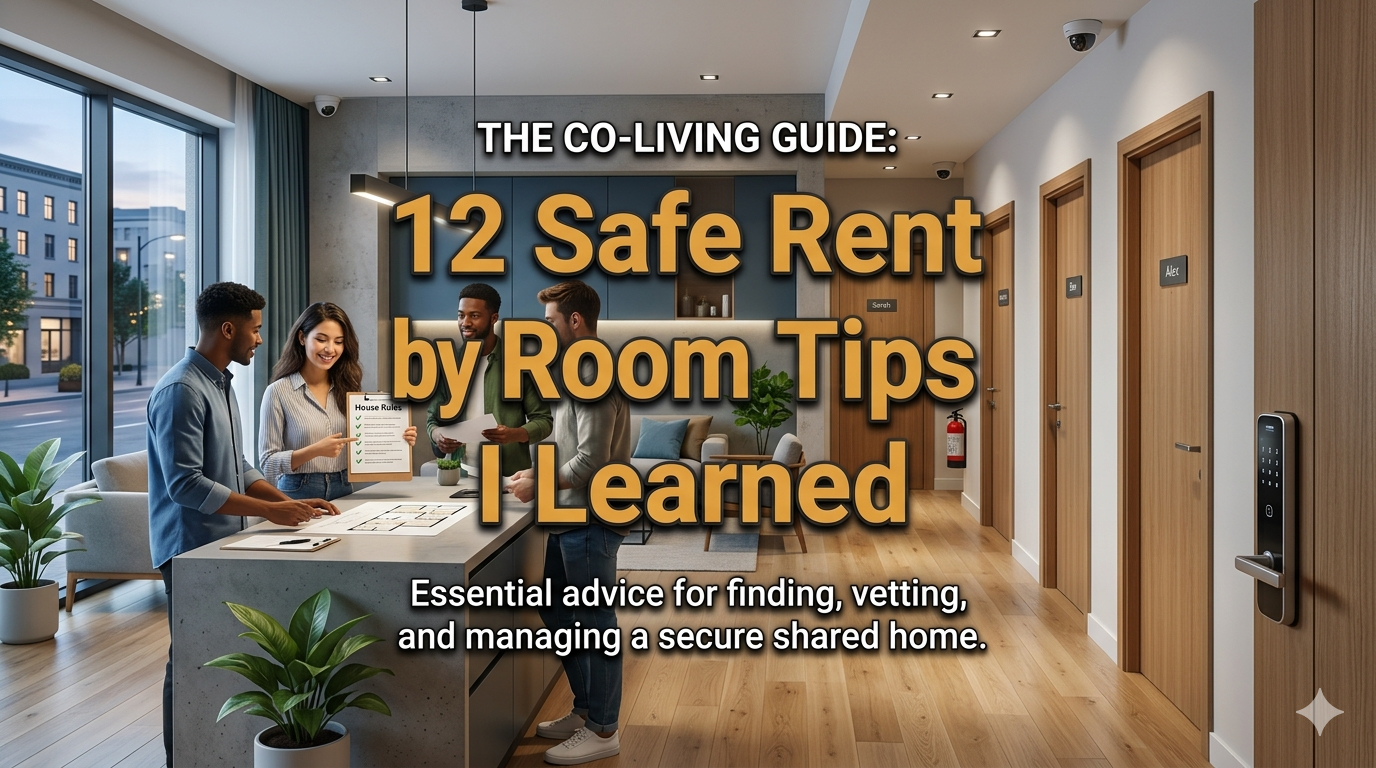
Tip 5: Install clear house rules before first tenant moves in
Without written rules, shared living becomes unpredictable.
Essential rule categories:
- Guest policy
- Cleaning rotation
- Noise limits
- Shared space usage
- Smoking rules
Simple rule chart:
| Area | Rule Example |
|---|---|
| Kitchen | Clean immediately after use |
| Bathroom | Weekly cleaning rotation |
| Living room | Quiet hours after 10 PM |
| Guests | Maximum 2 nights per week |
Tip 6: Don’t ignore legal rental structure
Many small landlords skip formal agreements.
This creates serious risks:
- Non-paying tenants
- Property disputes
- Eviction complications
Must-have documentation:
- Room rental agreement
- Deposit receipt
- Utility agreement clause
- Exit notice period
Tip 7: Always collect security deposits properly
Security deposits are not optional in rent-by-room setups.
Recommended structure:
| Room Type | Deposit Range |
|---|---|
| Small room | 1 month rent |
| Standard room | 1–1.5 months |
| Master room | 1.5–2 months |
Why it matters:
Shared housing has higher damage probability than full-unit rentals.
Tip 8: Don’t mix short-term and long-term tenants carelessly
This is a common mistake that leads to instability.
Comparison:
| Tenant Type | Stability | Risk |
|---|---|---|
| Long-term tenants | High | Low turnover |
| Short-term tenants | Low | High turnover |
Problem:
Short-term tenants often disrupt routines and expectations of long-term tenants.
Tip 9: Control access and security strictly

Safety is not optional in shared housing.
Key controls:
- Individual room locks
- Main door access control
- CCTV in common areas (where legal)
- Visitor log system
Security breakdown chart:
| Area | Risk Level without control |
|---|---|
| Main entrance | High |
| Shared kitchen | Medium |
| Individual rooms | High |
Tip 10: Don’t underestimate cleaning responsibility
Dirty shared spaces cause faster tenant exits than rent increases.
Cleaning models:
| Model | Description | Effectiveness |
|---|---|---|
| Self-managed | Tenants rotate cleaning | Medium |
| Paid cleaner | Weekly professional cleaning | High |
| Hybrid | Cleaner + tenant light duties | Very high |
Lesson learned:
Clean homes retain tenants longer.
Tip 11: Set strict rent collection rules
Delayed rent breaks cash flow stability quickly.
Best practices:
- Fixed due date
- Late fee policy
- Digital payment system
Rent discipline table:
| Policy | Effect |
|---|---|
| No late fee | Frequent delays |
| Small late fee | Moderate compliance |
| Strict enforcement | High compliance |
Tip 12: Plan for vacancy before it happens
Vacancy is inevitable—but unprepared vacancy is expensive.
Smart preparation:
| Strategy | Benefit |
|---|---|
| Early listing before move-out | Reduces downtime |
| Backup tenant list | Fast replacement |
| Flexible pricing buffer | Faster filling |
Hard lesson:
One empty room for 30 days can erase weeks of profit.
Combined safety framework for rent-by-room success
When all 12 tips are applied together, the system becomes stable and predictable.
Performance comparison:
| Area | Without system | With system |
|---|---|---|
| Tenant conflicts | Frequent | Rare |
| Vacancy rate | High | Low |
| Maintenance issues | Uncontrolled | Managed |
| Income stability | Unpredictable | Consistent |
Common mistakes landlords still make
Even experienced landlords repeat these:
- Ignoring tenant screening depth
- No written rules for shared living
- Overpricing rooms too early
- Poor communication structure
- Weak enforcement of agreements
Final thought
Rent-by-room success is not about maximizing rent on paper—it’s about building a stable micro-community that can live together without friction. The safest landlords are usually the most consistent ones, not the ones chasing the highest rent.
FAQs
- Is rent-by-room safe for beginners?
Yes, but only if strict screening and rules are applied from the start. - What is the biggest risk in rent-by-room setups?
Tenant conflict due to poor compatibility and unclear rules. - How many tenants should share one property?
It depends on size, but 2–5 tenants is usually manageable for beginners. - Should utilities be included in rent?
It is safer to separate utilities to avoid misuse and disputes. - Do I need legal agreements for each room?
Yes, each tenant should have a written agreement to protect both sides. - What is the fastest way to reduce tenant turnover?
Clean shared spaces, fair rules, and good roommate matching.