Introduction
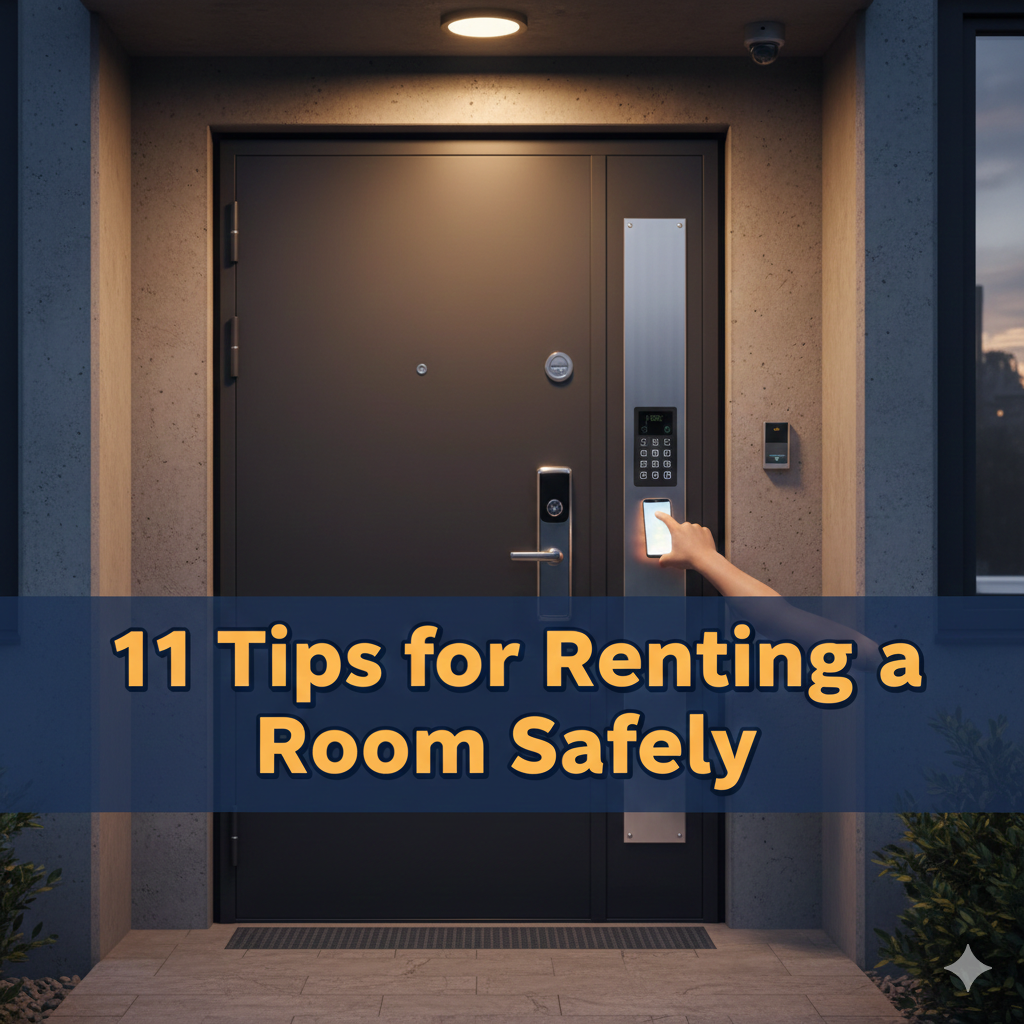
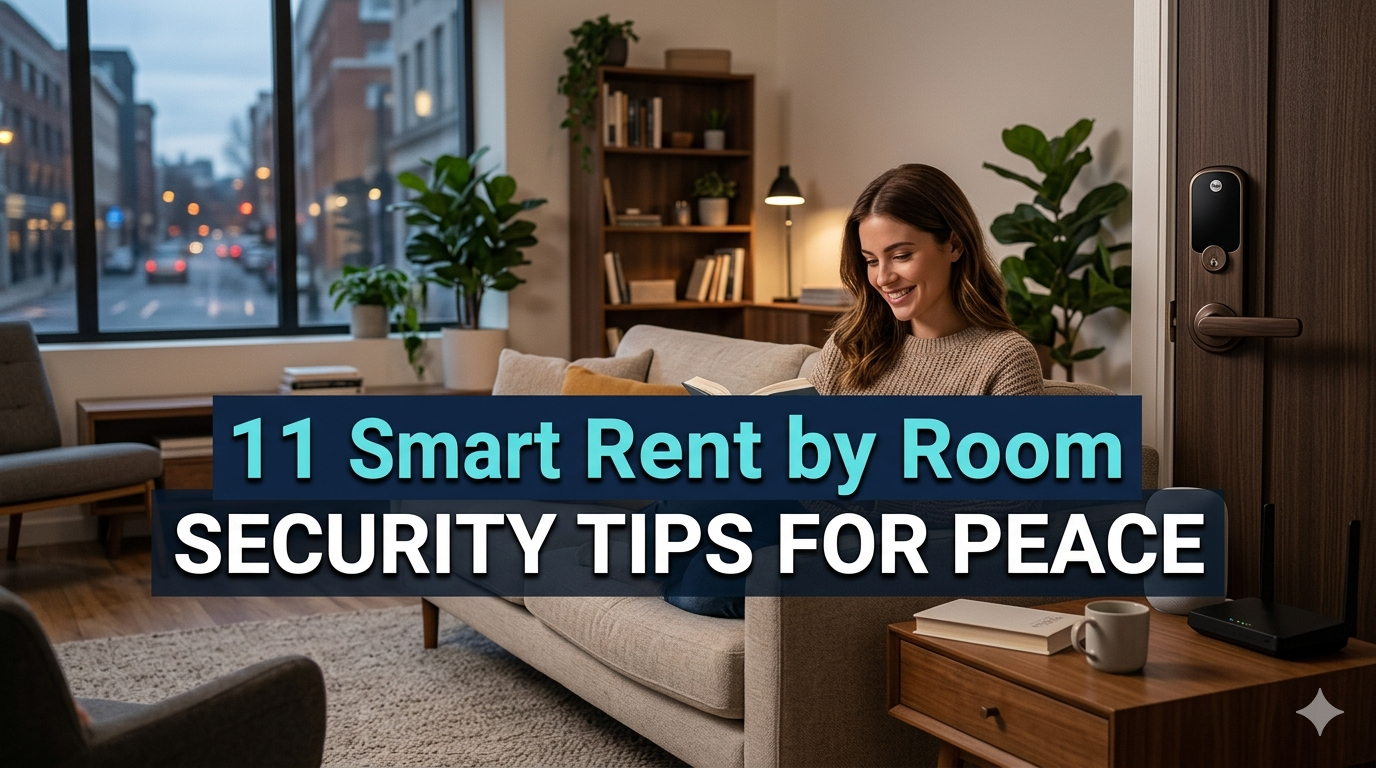
Renting a room instead of an entire property is becoming a practical choice for students, young professionals, and people relocating to new cities. It offers flexibility, affordability, and convenience. However, many tenants overlook safety considerations when choosing shared accommodation.
Safety in rent-by-room living is not only about locks and doors—it includes financial safety, personal security, legal protection, and even emotional well-being. One small oversight can lead to major problems such as theft, disputes, harassment, or unexpected financial losses.
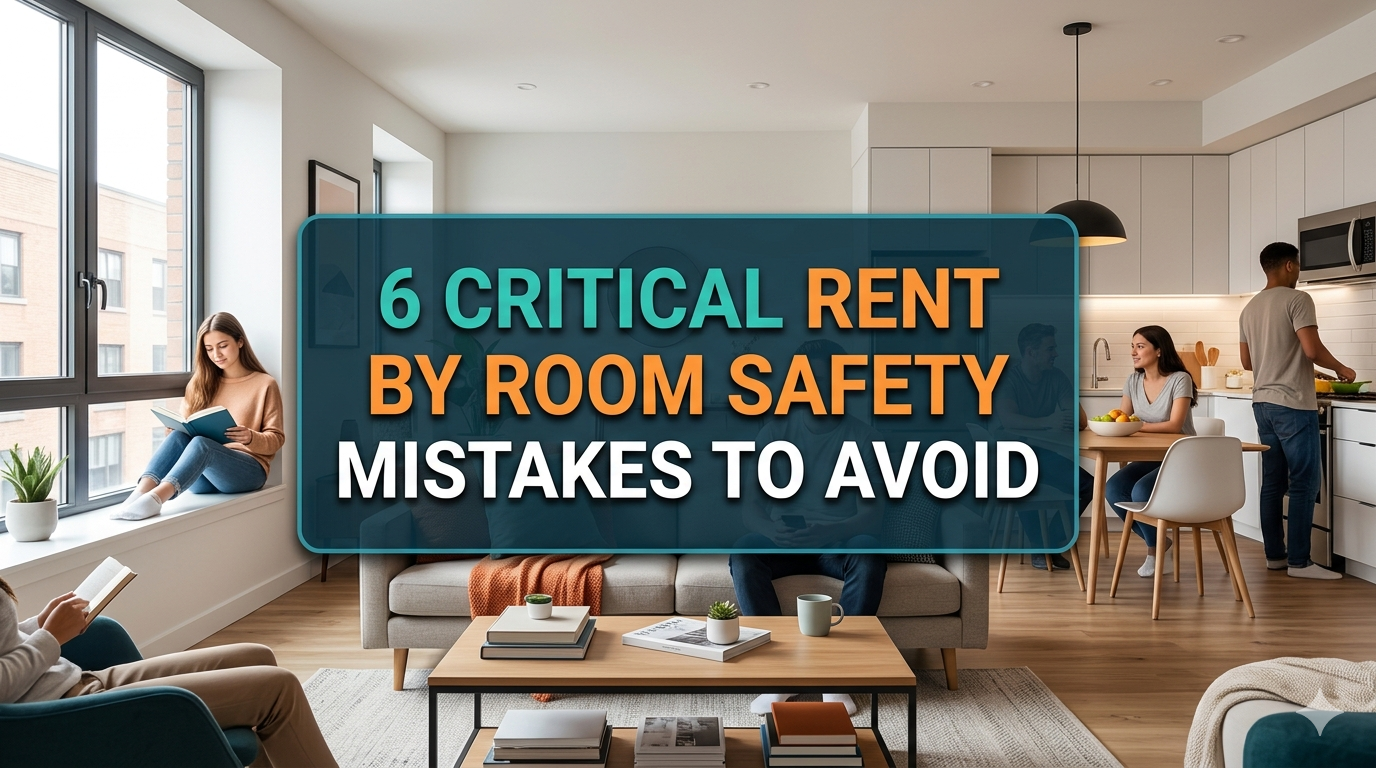
This guide explores 6 critical rent by room safety mistakes that many renters make and how you can avoid them with smart, practical decisions.
Mistake 1: Ignoring proper tenant verification
One of the biggest safety mistakes is trusting landlords or roommates without proper verification. Many renters move in quickly because of urgency and skip background checks.
Why this is dangerous:
- Fake listings are common in rental markets
- Some landlords sublet illegally
- Housemates may have undisclosed histories
- No accountability if issues arise
Verification checklist:
| What to Verify | Why It Matters |
|---|---|
| Landlord identity | Prevent fraud |
| Property ownership | Avoid illegal rentals |
| Roommate background | Ensure safety |
| Rental agreement | Legal protection |
Warning signs:
- Refusal to show ID or ownership proof
- Pressure to pay deposit immediately
- No written agreement offered
Always verify before paying anything.
Mistake 2: Not inspecting physical safety of the property
Many renters focus only on room size and rent, ignoring physical safety conditions.
Common overlooked risks:
- Weak or broken door locks
- Poor lighting in hallways
- Unsecured windows
- Faulty electrical wiring
- Lack of fire safety equipment
Safety inspection table:
| Area | What to Check |
|---|---|
| Entrance door | Strong lock, no damage |
| Windows | Secure locks, grills if needed |
| Electrical setup | No exposed wires |
| Fire safety | Extinguisher or alarm present |
| Emergency exits | Clearly accessible |
A visually nice room is not enough—it must also be safe.
Mistake 3: Sharing too much personal information too quickly

In shared living environments, oversharing personal details can create risks.
Why it becomes a problem:
- Personal data misuse
- Increased vulnerability to theft
- Privacy violations
- Manipulation or exploitation
Information you should limit:
- Bank details
- Workplace routines
- Travel plans
- Passwords or device access
- Family details
Safe sharing guideline:
| Information Type | Share Immediately? |
|---|---|
| Name & occupation | Yes |
| Daily schedule | No |
| Financial details | No |
| Emergency contacts | Limited |
Trust should be built gradually, not instantly.
Mistake 4: Weak rental agreements or verbal-only deals
One of the most dangerous mistakes in rent-by-room living is relying on verbal agreements.
Without a written contract:
- Rent increases can happen unexpectedly
- Deposit disputes become common
- Evictions may occur without notice
- No legal protection in conflict situations
Key elements of a safe rental agreement:
| Clause | Importance |
|---|---|
| Rent amount | Fixed terms |
| Payment due date | Avoid delays |
| Deposit rules | Refund clarity |
| Notice period | Exit protection |
| Maintenance duties | Responsibility clarity |
Written agreements reduce misunderstandings and protect both sides legally.
Mistake 5: Poor control over access and keys
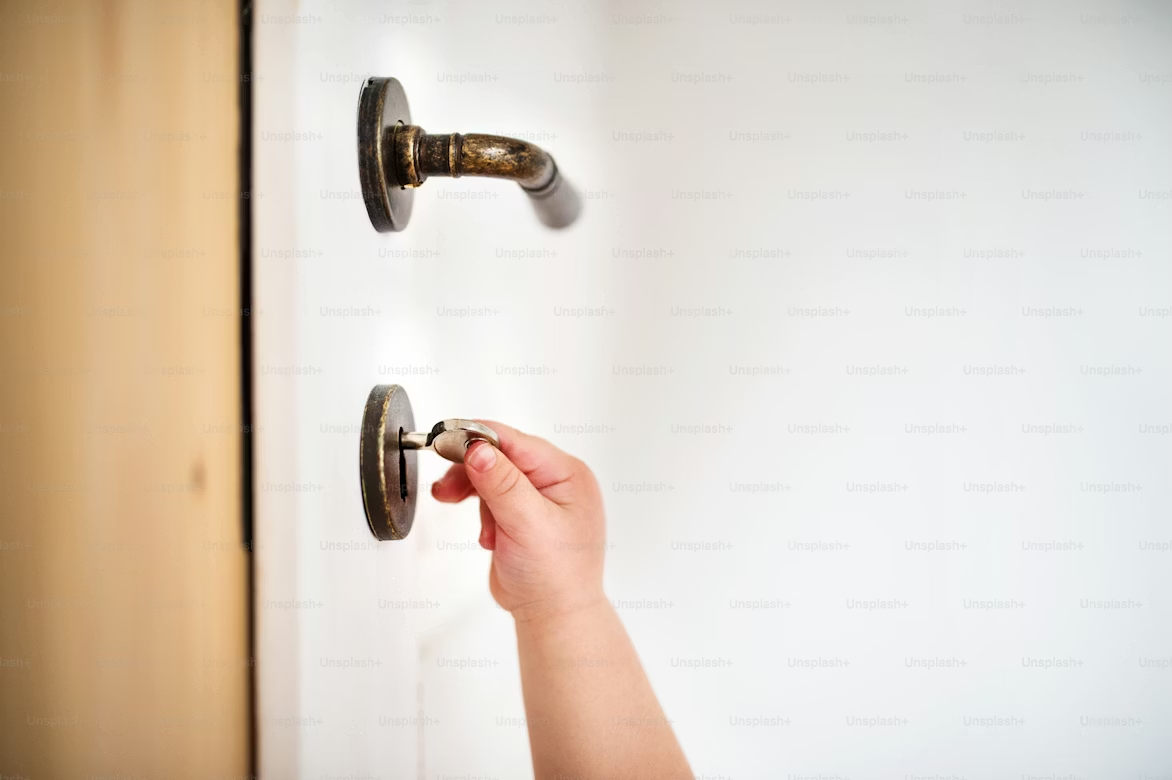
Security risks often come from uncontrolled access to the property.
Common mistakes:
- Giving spare keys to multiple unknown people
- Not changing locks after tenant turnover
- Leaving doors unlocked in shared spaces
- Not tracking who enters the property
Access control system:
| Security Level | Description |
|---|---|
| High | Unique key per tenant |
| Medium | Shared keys with logs |
| Low | No tracking system |
Best practice:
Always ensure that access is limited, tracked, and controlled.
Even in friendly environments, security discipline matters.
Mistake 6: Ignoring emergency preparedness
Many renters never think about emergencies until something happens.
Possible emergencies include:
- Fire incidents
- Gas leaks
- Theft or break-ins
- Medical emergencies
- Power outages
Emergency readiness checklist:
| Item | Status Required |
|---|---|
| Fire extinguisher | Available |
| First aid kit | Accessible |
| Emergency contacts | Posted visibly |
| Backup lighting | Flashlights |
| Exit plan | Clearly known |
Without preparation, even small emergencies can become dangerous.
Safety comparison chart: Low-risk vs high-risk rental behavior
| Category | Safe Approach | Risky Approach |
|---|---|---|
| Tenant selection | Background check | Blind trust |
| Agreements | Written contract | Verbal deal |
| Property inspection | Full safety check | Visual glance |
| Access control | Managed keys system | Open access |
| Personal data | Limited sharing | Oversharing |
| Emergency prep | Ready plan | No planning |
Additional insights: psychological safety in shared living
Safety is not only physical. Emotional safety is equally important in shared housing.
Signs of unsafe environment:
- Constant arguments
- Lack of respect for privacy
- Pressure from housemates
- Feeling uncomfortable in shared areas
Ways to improve emotional safety:
- Set boundaries early
- Communicate issues calmly
- Avoid toxic roommates
- Keep personal space respected
A safe home should feel stable, not stressful.
Preventive safety checklist before renting a room
| Step | Action |
|---|---|
| 1 | Visit property in person |
| 2 | Verify landlord identity |
| 3 | Inspect locks and wiring |
| 4 | Meet all housemates |
| 5 | Read contract carefully |
| 6 | Confirm emergency exits |
Following this checklist significantly reduces risk.
Conclusion
Rent-by-room living can be a smart and affordable housing solution, but only if safety is taken seriously. Many renters make avoidable mistakes simply because they rush decisions or trust too quickly.
By avoiding these 6 critical safety mistakes—verification failure, poor property inspection, oversharing information, weak agreements, uncontrolled access, and lack of emergency planning—you can significantly improve your security and peace of mind.
A safe rental experience is not accidental; it is built through awareness, caution, and preparation.
FAQs
- What is the biggest safety risk in rent-by-room living?
The biggest risk is trusting unverified landlords or housemates without proper background checks. - Should I always sign a written rental agreement?
Yes, a written agreement protects you legally and prevents disputes over rent, deposits, and rules. - How can I check if a rental room is safe?
Inspect locks, wiring, exits, lighting, and ask about fire and emergency safety measures. - Is it safe to share a house with strangers?
Yes, but only after proper screening, meeting them beforehand, and setting clear rules. - What should I do if I feel unsafe in a rented room?
Document issues, communicate concerns, and if necessary, consider leaving after notice period. - How do I protect my belongings in shared housing?
Use locks, avoid sharing access, and keep valuables secured in personal storage.