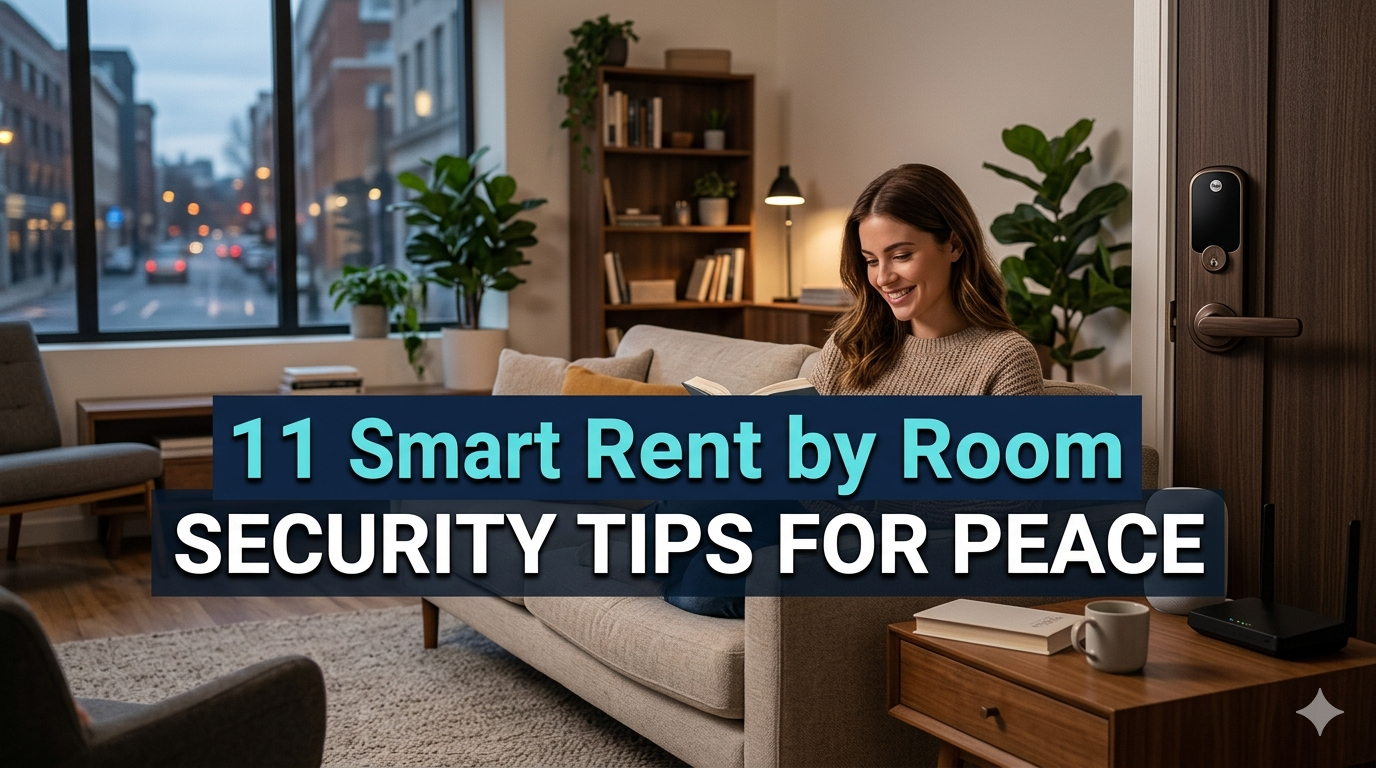
Renting a room in a shared house or apartment can be a great way to save money and live in a convenient location. However, one of the most overlooked aspects of this lifestyle is security. Unlike living alone, you are sharing your space with others, which introduces both physical and digital safety concerns.
Security in room rentals is not just about locks and keys. It includes personal boundaries, digital safety, financial protection, and trust management. Many renters only realize this after experiencing small incidents—missing items, privacy breaches, or uncomfortable situations.
This guide covers 11 practical security lessons that help create peace of mind in shared living environments.
Tip 1: Always inspect locks before moving in
One of the simplest but most ignored steps is checking the quality of locks on doors and windows. Weak or shared keys can create unnecessary risk.
Key lock inspection checklist:
| Entry Point | What to Check | Risk Level if Ignored |
|---|---|---|
| Main door | Strong deadbolt, no loose handle | High |
| Room door | Independent lock, not shared key | High |
| Windows | Functional locks or bars | Medium |
| Balcony door | Secure latch system | Medium–High |
If locks feel outdated or shared among too many people, request replacements before moving in.
Tip 2: Never share your personal keys
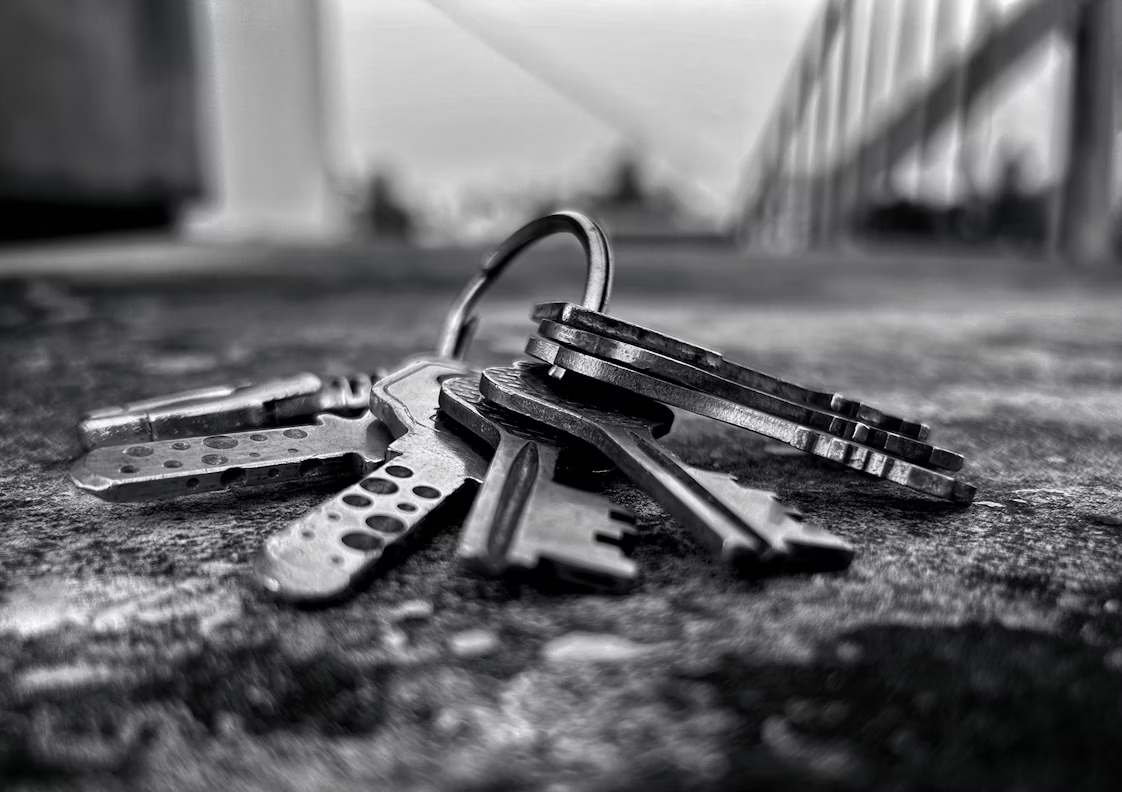
It may seem harmless to lend a key to a housemate or friend, but this is one of the fastest ways to lose control over your personal space.
Security risk comparison:
| Action | Risk Level | Explanation |
|---|---|---|
| Sharing key temporarily | High | No control over duplication |
| Using duplicate copies | Medium | Depends on trust level |
| Keeping exclusive access | Low | Full control maintained |
Even trusted housemates can misplace keys or accidentally compromise your room’s security.
Tip 3: Use a personal lockbox for valuables
In shared living environments, not everything can be fully controlled. A personal lockbox adds a second layer of protection for documents, cash, and small valuables.
Suggested storage hierarchy:
| Item Type | Storage Recommendation |
|---|---|
| Passport & ID | Locked box inside room |
| Cash savings | Secure lockbox or bank account |
| Electronics | Hidden drawer or locked cabinet |
| Jewelry | Small personal safe |
This reduces dependency on trust alone.
Tip 4: Establish visitor rules early
Guests are one of the most common sources of insecurity in shared rentals. Clear rules help avoid misunderstandings.
Visitor rule structure:
| Rule Category | Example Policy |
|---|---|
| Advance notice | Minimum 24-hour notice |
| Overnight stays | Limited to weekends only |
| Frequency | Max 2–3 visits per week |
| Shared approval | Required for long stays |
Without rules, shared spaces can quickly feel unsafe or unpredictable.
Tip 5: Be careful with shared Wi-Fi networks
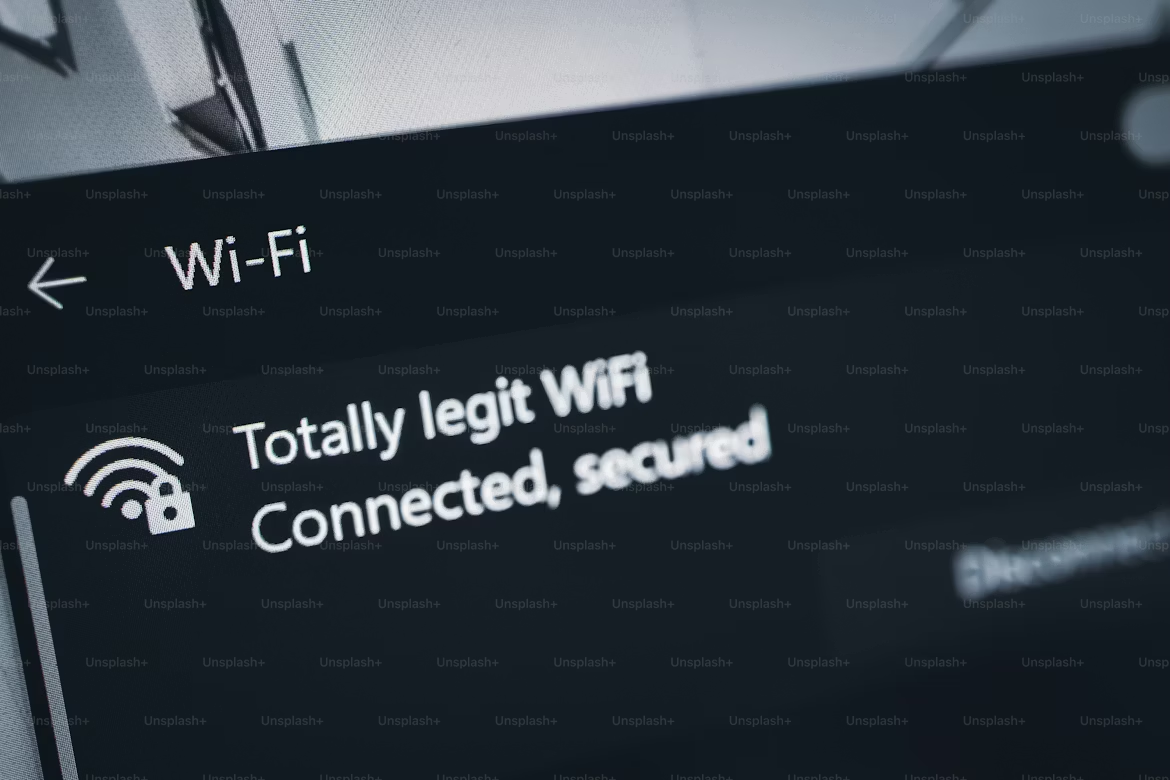
Digital security is just as important as physical security. Shared Wi-Fi can expose your devices to risks if not properly secured.
Common risks:
| Risk Type | Description | Prevention |
|---|---|---|
| Data interception | Others monitoring traffic | Use VPN |
| Device access | Weak network passwords | Strong Wi-Fi password |
| File sharing exposure | Open sharing settings | Disable sharing |
A secure password and VPN usage significantly reduce risk.
Tip 6: Avoid posting your location publicly
Many renters unknowingly expose their living situation through social media. Posting identifiable details can compromise safety.
Risk awareness table:
| Content Type | Risk Level | Why it matters |
|---|---|---|
| Real-time location posts | High | Enables tracking |
| Exterior house photos | Medium | Reveals address clues |
| Generic lifestyle posts | Low | Minimal exposure |
It’s safer to delay posting or avoid showing identifiable surroundings.
Tip 7: Keep emergency contacts accessible
Security is not only about prevention but also response. Having emergency contacts readily available can make a critical difference.
Emergency contact structure:
| Category | Example |
|---|---|
| Local emergency services | Police, ambulance |
| Landlord/owner | Property contact |
| Trusted friend nearby | Immediate support |
| Roommate contacts | Internal communication |
Keep these both digitally and written in a visible but safe place.
Tip 8: Set boundaries for shared belongings
Shared items like food, appliances, or toiletries often create confusion and conflict. Clear boundaries reduce misunderstandings.
Shared item policy example:
| Item Type | Rule |
|---|---|
| Food | Label personal items clearly |
| Appliances | Use only with permission |
| Cleaning supplies | Shared contribution system |
| Furniture | Common use allowed |
Clarity prevents both security issues and disputes.
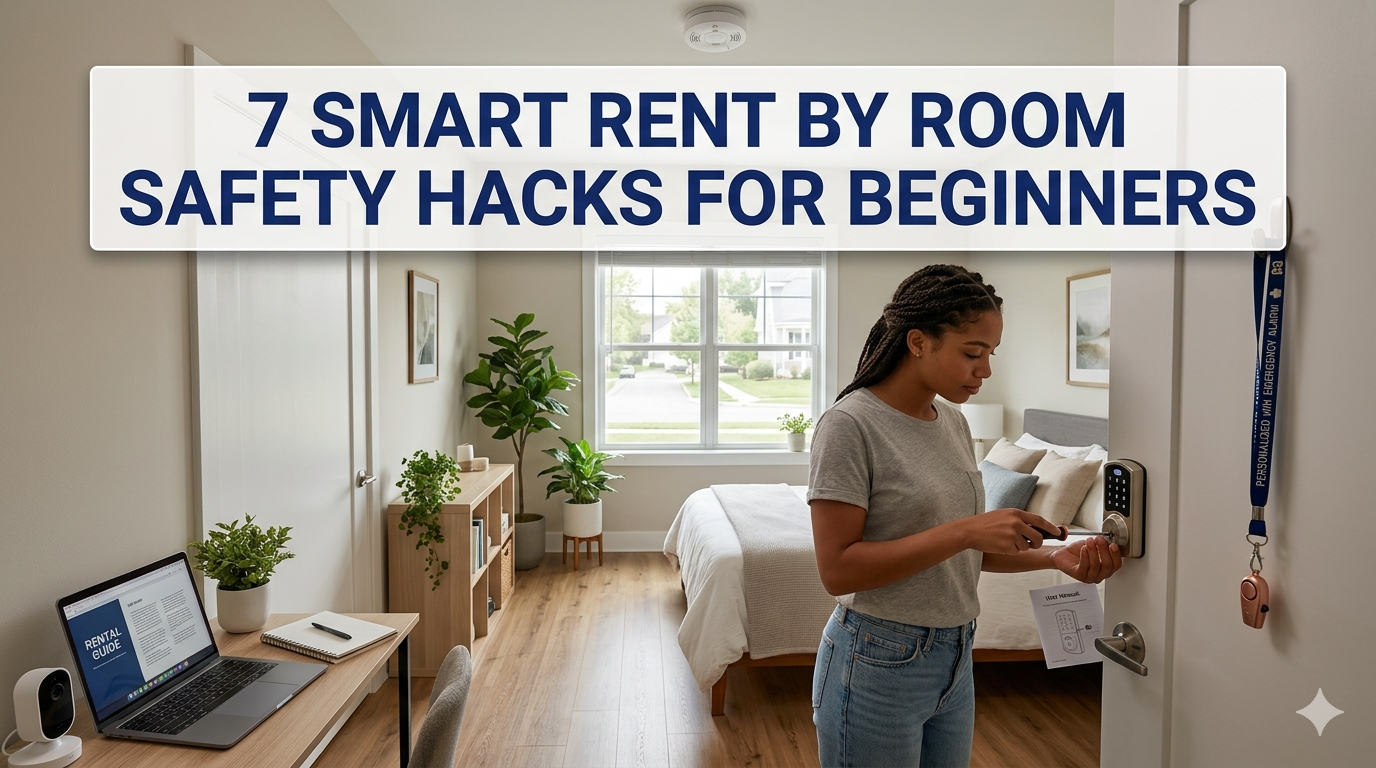
Tip 9: Install personal room alarms or alerts
Small security devices can greatly increase peace of mind. These are especially useful in high-traffic shared homes.
Common options:
| Device Type | Function | Effectiveness |
|---|---|---|
| Door alarm | Alerts when opened | High |
| Motion sensor light | Detects movement | Medium–High |
| Smart lock | Digital access control | Very High |
Even basic alarms discourage unauthorized entry.
Tip 10: Trust slowly, verify consistently
Trust is important, but in shared rentals it should be built gradually. Over-trusting early often leads to avoidable issues.
Trust development stages:
| Stage | Behavior | Action |
|---|---|---|
| Week 1–2 | Observation | Monitor habits |
| Week 3–4 | Basic trust | Share small responsibilities |
| Month 2+ | Established trust | Full cooperation |
Rushing trust can compromise personal safety.
Tip 11: Have an exit plan ready
One of the most overlooked security strategies is having an exit plan. Even good arrangements can change unexpectedly.
Exit readiness checklist:
| Factor | Importance |
|---|---|
| Lease flexibility | High |
| Backup accommodation | Medium–High |
| Savings buffer | High |
| Notice period awareness | High |
Knowing you can leave safely reduces stress significantly.
Summary: building a secure shared living environment
Security in rent-by-room living is multi-layered. It combines physical safety, digital awareness, financial caution, and social boundaries. The key is not to rely on one layer but to build several small protections that work together.
When done correctly, shared living becomes not only affordable but also safe and peaceful.
FAQs
- Is room rental safe in shared houses?
Yes, it can be safe if proper security measures like locks, agreements, and boundaries are in place. - What is the most important security tip?
Ensuring secure locks and controlling access to your personal space is the most critical step. - Should I install my own lock on the room door?
Yes, if allowed. A personal lock significantly increases security. - How do I handle untrustworthy housemates?
Start with communication. If issues persist, document concerns and consider relocating. - Are smart locks worth it for shared rooms?
Yes, they provide controlled access and reduce risks from lost or copied keys. - What is the biggest mistake renters make?
Ignoring early warning signs and not setting boundaries from the beginning.