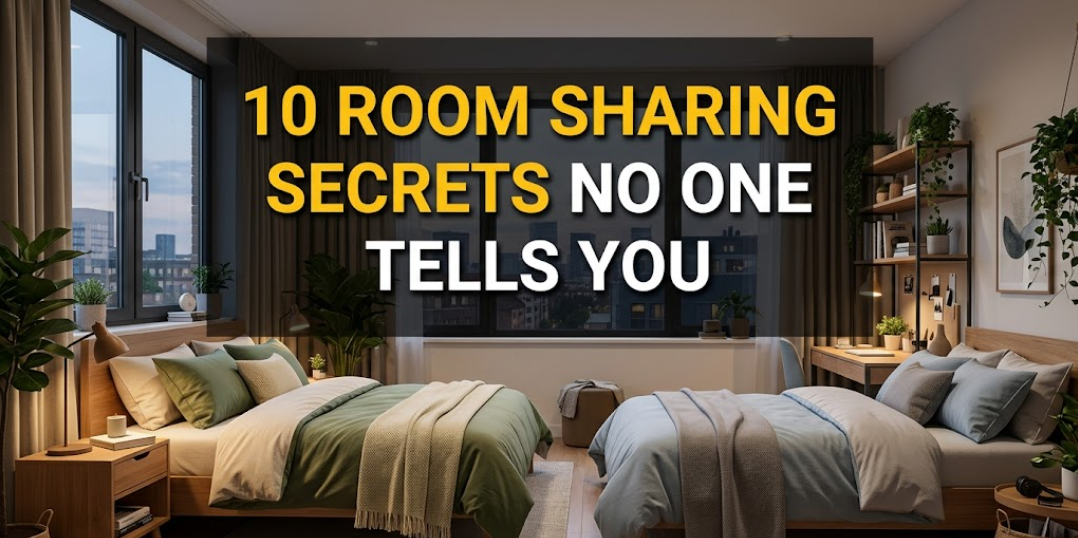
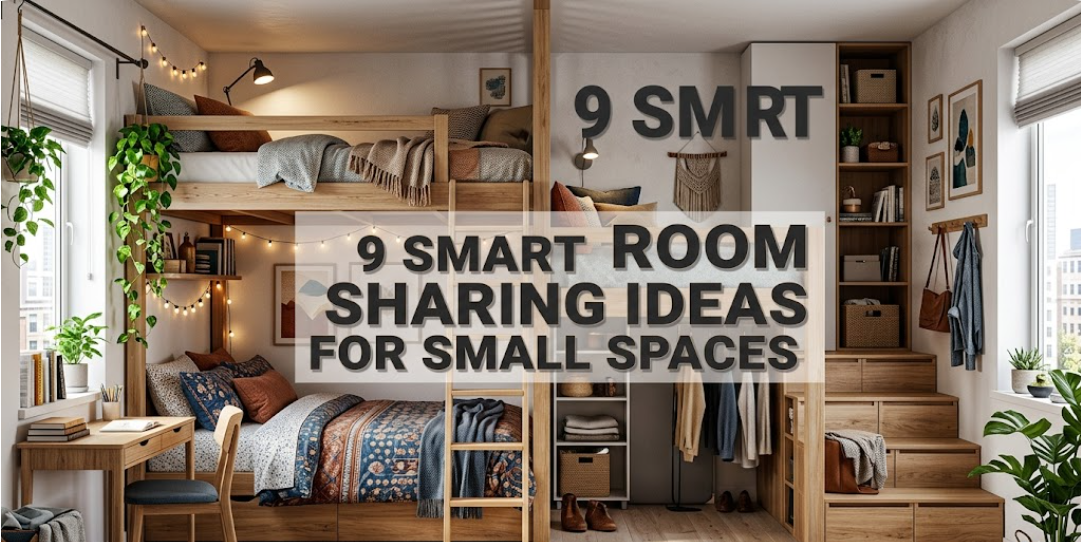
Living in a small space with another person can feel like trying to fit two lives into one box. Whether it’s siblings sharing a bedroom, roommates splitting rent, or a couple making the most of a studio apartment, the challenge is the same: how do you create comfort, privacy, and functionality without adding square footage?
The truth is, smart room sharing isn’t about squeezing things in. It’s about designing intentionally. When every inch matters, thoughtful layout, multi-purpose furniture, and subtle visual tricks can transform even the tightest quarters into a space that feels open, organized, and surprisingly peaceful.
Below are nine practical, experience-driven ideas that go beyond surface-level advice. Each one focuses not just on saving space, but on improving how the space feels and functions for the people living in it.
- define zones without building walls
One of the biggest mistakes in shared small spaces is treating the entire room as one open area. When everything blends together, it quickly becomes chaotic. The solution isn’t necessarily to build walls—it’s to create visual zones.
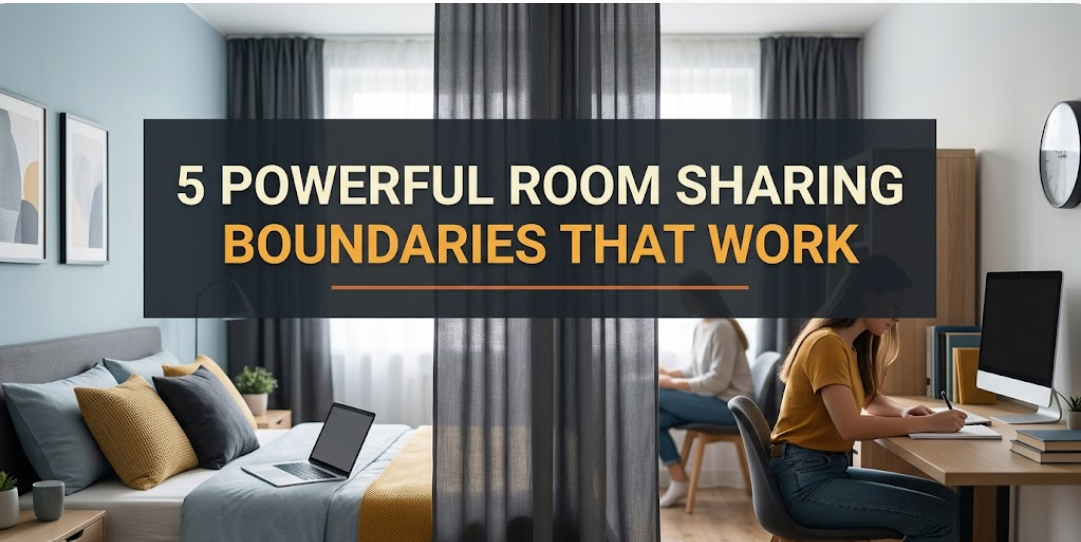
You can define zones using rugs, furniture placement, curtains, or even lighting. For example, placing a bookshelf between two beds instantly creates separation while also adding storage. A curtain can be drawn for privacy without permanently blocking light.
A simple zoning layout example:
| Zone Type | Divider Option | Benefit |
|---|---|---|
| Sleeping area | Curtain or screen | Privacy without permanence |
| Study/work zone | Desk placement | Focus and reduced distraction |
| Storage area | Open shelving | Easy access + subtle separation |
The goal is to give each person a sense of “their area,” even within a shared room.
- invest in vertical thinking
When floor space is limited, the only direction left is up. Vertical storage is one of the most effective ways to expand usable space without crowding the room.
Wall-mounted shelves, tall wardrobes, and hanging organizers allow you to store more while keeping the floor clear. Bunk beds are a classic example of vertical efficiency, but you can go further by adding shelving above desks or hooks behind doors.
Here’s how vertical use compares to traditional layouts:
| Storage Type | Floor Space Used | Storage Capacity | Best Use Case |
|---|---|---|---|
| Floor cabinets | High | Medium | Larger rooms |
| Wall shelves | Low | High | Small shared rooms |
| Overhead storage | Minimal | Medium-High | Seasonal or rarely used |
Vertical thinking not only saves space but also makes the room feel less cluttered.
- choose multi-functional furniture
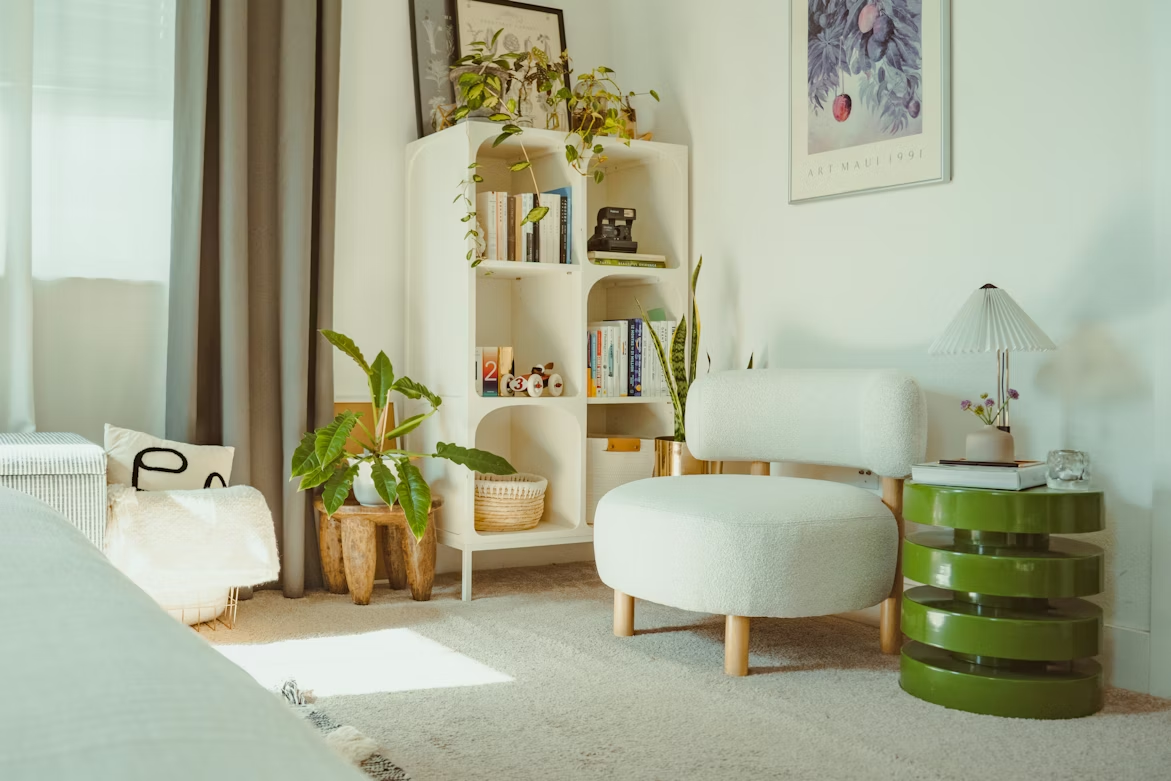
In a shared small space, every piece of furniture should do more than one job. A bed that includes storage drawers, a desk that folds into the wall, or a sofa that converts into a bed can dramatically increase functionality.
Instead of adding more items, focus on replacing single-purpose items with versatile ones.
Examples of multi-functional swaps:
| Traditional Item | Smart Alternative | Extra Function Added |
|---|---|---|
| Standard bed | Storage bed | Hidden storage |
| Desk | Fold-down wall desk | Saves floor space |
| Ottoman | Storage ottoman | Seating + storage |
| Coffee table | Lift-top table | Workspace + storage |
This approach reduces clutter and makes the room more adaptable to daily needs.
- create personalized corners
Sharing a room doesn’t mean giving up individuality. In fact, one of the keys to making shared living work is ensuring that each person has a space that reflects their personality.
Even a small corner can be personalized with a few items—photos, a favorite lamp, or a specific color theme. This creates a sense of ownership and comfort.
A quick personalization framework:
| Element | Idea | Impact |
|---|---|---|
| Color | Bedding or wall accents | Visual identity |
| Lighting | Personal lamp or fairy lights | Mood control |
| Decor | Photos, art, small plants | Emotional connection |
When both individuals feel represented in the space, conflicts over shared areas tend to decrease.
- optimize underutilized spaces
Small rooms often have hidden opportunities—areas that go unused simply because they’re overlooked. Under the bed, behind doors, and above cabinets are all valuable storage zones.
Common overlooked spaces and how to use them:
| Space Area | Smart Use Idea | Benefit |
|---|---|---|
| Under bed | Storage bins or drawers | Keeps clutter hidden |
| Behind doors | Hanging organizers | Easy access storage |
| Above wardrobe | Boxes for seasonal items | Maximizes vertical space |
| Corners | Corner shelves or desks | Efficient use of awkward areas |
Optimizing these spaces can free up significant room elsewhere.
- establish shared organization systems
A shared room can quickly become messy if there’s no clear system for organizing belongings. The key is to create simple, agreed-upon systems that both people follow.
This might include labeled storage bins, designated shelves, or a weekly cleanup routine. The system doesn’t need to be complicated—it just needs to be consistent.
Example of a simple shared system:
| Category | Assigned Method | Purpose |
|---|---|---|
| Clothes | Separate drawers | Avoid mix-ups |
| Books | Shared shelf, divided sides | Easy access |
| Daily items | Personal baskets | Quick organization |
| Cleaning | Weekly schedule | Maintains order |
Clear systems reduce friction and make daily life smoother.
- use light and color to expand perception

Small spaces can feel larger with the right use of color and lighting. Light colors reflect more light, making a room appear bigger, while strategic lighting can eliminate dark corners.
Soft neutrals, whites, and pastels tend to open up a space visually. Mirrors can also create the illusion of depth.
Color and lighting impact chart:
| Element | Choice | Effect on Space |
|---|---|---|
| Wall color | Light shades | Expands visual space |
| Lighting | Layered (ambient + task) | Reduces shadows |
| Mirrors | Opposite windows | Reflects light, adds depth |
Even small changes in these areas can dramatically alter how the room feels.
- incorporate flexible layouts
A static layout can limit how a room functions. In shared spaces, flexibility is essential. Furniture that can be moved or reconfigured allows the room to adapt to different activities.
For example, a foldable table can be used for studying during the day and tucked away at night. Lightweight chairs can be rearranged easily.
Flexibility comparison:
| Layout Type | Adaptability | Best For |
|---|---|---|
| Fixed layout | Low | Single-purpose rooms |
| Flexible layout | High | Shared, multi-use spaces |
The more adaptable the room, the easier it is to accommodate both people’s needs.
- prioritize communication and boundaries
No design solution can fully compensate for poor communication. Sharing a room requires clear expectations and mutual respect.
This includes agreeing on quiet hours, cleaning responsibilities, and personal boundaries. Even the best-designed space can feel uncomfortable if these aspects are ignored.
A simple boundary-setting guide:
| Topic | Suggested Agreement | Benefit |
|---|---|---|
| Noise | Quiet hours | Better rest and focus |
| Guests | Prior notice | Avoids discomfort |
| Cleaning | Shared schedule | Maintains hygiene |
| Personal items | Respect boundaries | Prevents conflict |
When both individuals feel heard and respected, the space becomes more livable.
bringing it all together
Smart room sharing is less about sacrificing comfort and more about rethinking how space is used. By combining thoughtful zoning, vertical storage, multi-functional furniture, and clear communication, even the smallest room can become a place that feels balanced and functional.
The key is to approach the space as a system rather than a collection of items. Every decision—where to place a bed, how to store clothes, how to divide space—should serve a purpose.
frequently asked questions
- how do you create privacy in a shared room without walls?
Privacy can be created using curtains, folding screens, or strategically placed furniture like bookshelves. Even small visual barriers can make a big difference. - what is the best furniture for shared small spaces?
Multi-functional furniture such as storage beds, foldable desks, and convertible sofas are ideal because they reduce the need for additional items. - how can two people share a small room without conflict?
Clear communication, defined personal spaces, and agreed-upon rules for cleanliness and noise are essential for avoiding conflict. - what colors make a small shared room look bigger?
Light colors like white, beige, and soft pastels reflect light and create a more open, airy feel. - how do you maximize storage in a small shared room?
Use vertical storage, under-bed space, and hidden compartments. Also, declutter regularly to avoid unnecessary buildup. - is it better to use bunk beds or separate beds in small rooms?
Bunk beds are more space-efficient, especially when floor space is limited. However, separate beds may offer more comfort and privacy if space allows.
By applying these ideas thoughtfully, shared living can shift from a daily challenge into a surprisingly efficient and even enjoyable experience.