Rent-by-room living is one of the most affordable and flexible housing options available today, especially in large cities where rent prices continue to rise. It allows people to rent a private room while sharing common spaces like kitchens, bathrooms, and living rooms with others. While this setup reduces financial pressure, it also introduces unique safety concerns that many beginners overlook.
Safety in rent-by-room living is not just about physical security. It also includes financial safety, emotional well-being, privacy protection, and social stability. A safe shared living environment depends on awareness, planning, communication, and good habits.
This article explores five powerful ways to stay safe in rent-by-room living, supported by practical tables, structured comparisons, and real-world safety insights.
Understanding Safety Risks in Rent by Room Living
Before learning the strategies, it is important to understand what “safety” actually means in shared housing.
Safety risks typically fall into four categories:
- Physical safety (locks, strangers, theft)
- Financial safety (bills, deposits, scams)
- Personal privacy (boundaries, surveillance, intrusion)
- Emotional safety (conflicts, stress, toxic roommates)
Safety risk overview table:
| Safety Type | Common Risks | Impact Level |
|---|---|---|
| Physical safety | Theft, unsafe guests | High |
| Financial safety | Unpaid bills, scams | High |
| Privacy safety | Intrusion, misuse of space | Medium |
| Emotional safety | Conflicts, stress, harassment | High |
Understanding these risks helps you apply the right protective strategies.
- Choose a Secure and Well-Managed Property

The foundation of safety begins with the property itself. No matter how good the roommates are, an unsafe building can create serious risks.
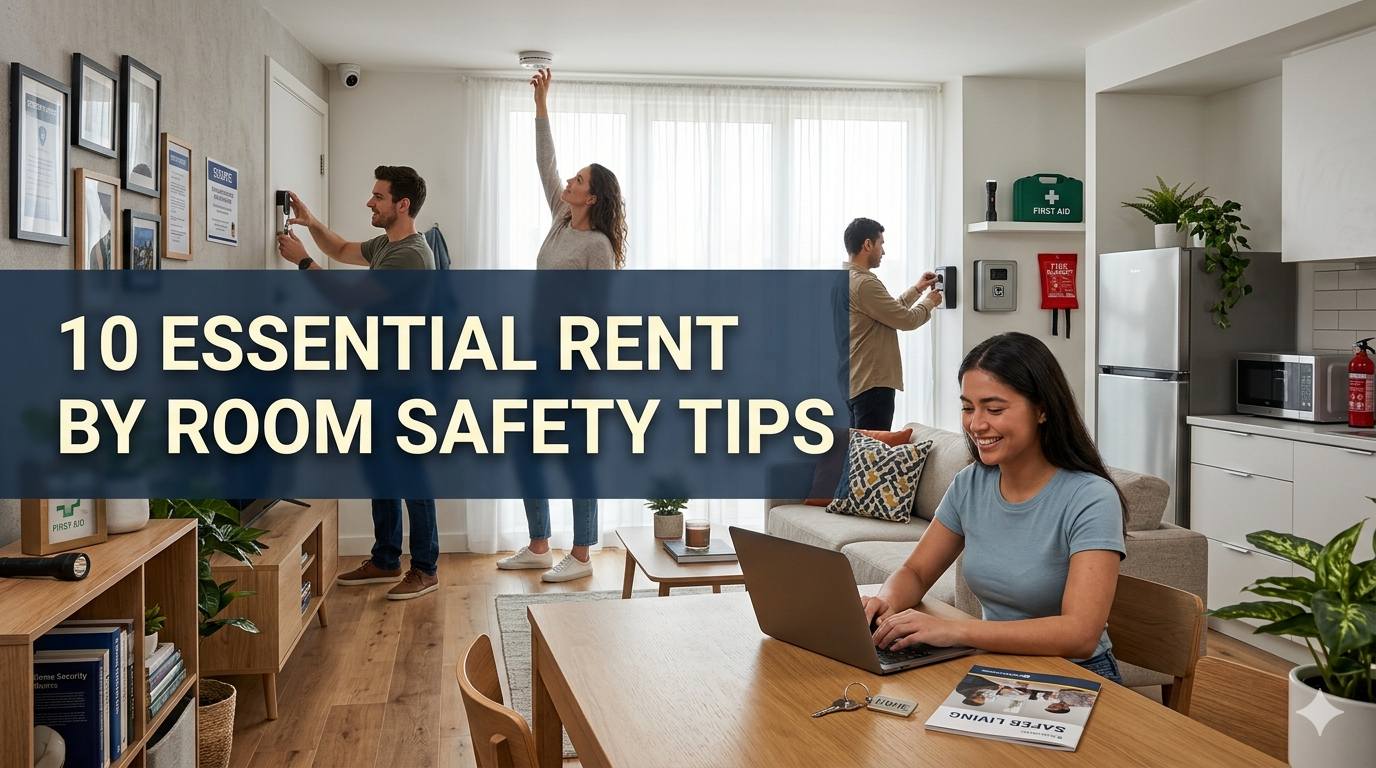
Key features of a safe rent-by-room property:
- Strong main entrance security
- Individual room locks
- CCTV in common areas
- Proper lighting in hallways
- Reliable landlord or property manager
Property safety checklist:
| Feature | Why It Matters | Risk if Missing |
|---|---|---|
| Door locks | Prevent unauthorized entry | Theft or intrusion |
| CCTV cameras | Monitor shared areas | Lack of accountability |
| Lighting | Deter break-ins | Security vulnerability |
| Fire safety exits | Emergency evacuation | Life-threatening risk |
Security comparison chart:
| Property Type | Safety Level | Risk Level |
|---|---|---|
| Managed building | High | Low |
| Private shared house | Medium | Medium |
| Unverified listing | Low | High |
Practical tip: Always visit the property in person before signing any agreement.
- Carefully Screen Roommates Before Moving In
Roommates are one of the biggest safety factors in rent-by-room living. A shared space means shared responsibility—and shared risk.
Important screening criteria:
- Identity verification
- Income stability
- Lifestyle habits
- Cleanliness standards
- Communication style
Roommate screening chart:
| Criteria | Good Indicator | Risk Indicator |
|---|---|---|
| Financial behavior | Stable income | Irregular payments |
| Cleanliness | Organized habits | Messy environment |
| Communication | Open and respectful | Avoids discussion |
| Social behavior | Balanced lifestyle | Unpredictable guests |
Red flags to watch:
- Refusal to share basic information
- Frequent unknown guests
- Avoiding written agreements
- Aggressive or disrespectful behavior
Safe roommate selection reduces almost 50% of common shared living problems.
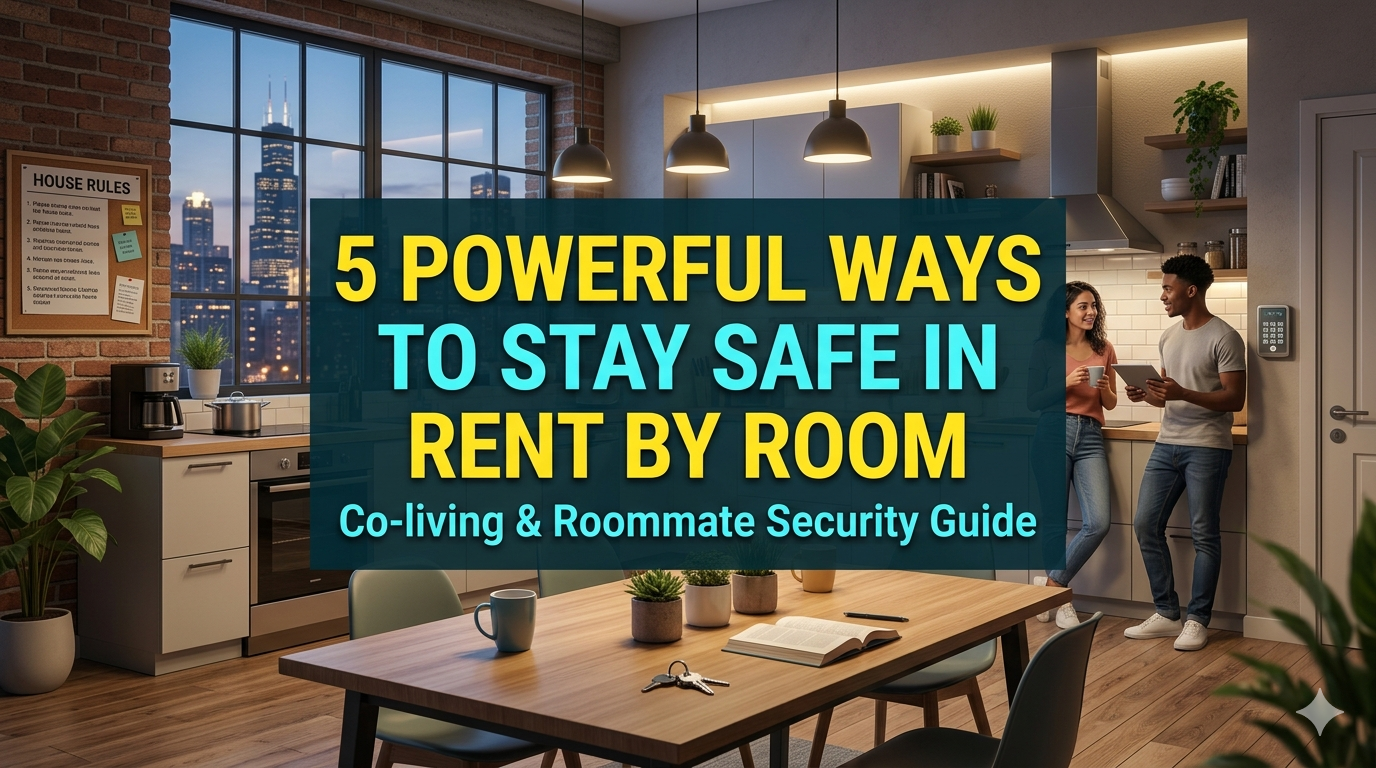
- Set Clear Boundaries and House Rules Early

One of the most overlooked safety strategies is establishing boundaries from day one. Without clear rules, misunderstandings can quickly escalate into conflict or unsafe situations.
Important house rules to define:
- Guest policy
- Quiet hours
- Shared space usage
- Food and storage rules
- Cleaning responsibilities
House rule structure example:
| Category | Rule Example | Safety Benefit |
|---|---|---|
| Guests | No overnight guests without notice | Prevents privacy issues |
| Noise | Quiet hours after 11 PM | Ensures rest safety |
| Cleanliness | Weekly rotation schedule | Maintains hygiene |
| Storage | No sharing personal items | Protects belongings |
Rule enforcement impact:
| With Clear Rules | Without Rules |
|---|---|
| Stable living | Frequent conflict |
| Predictable environment | Confusion |
| Higher safety | Higher risk |
Tip: Write rules down and ensure all roommates agree before moving in.
- Protect Your Personal Space and Belongings
In shared housing, personal boundaries are essential for both emotional and physical safety. Even in friendly environments, accidents and misunderstandings can happen.
Ways to protect your space:
- Use a lockable room door
- Keep valuables secured
- Label personal items
- Avoid sharing sensitive belongings
Personal safety protection table:
| Area | Protection Method | Risk Without It |
|---|---|---|
| Bedroom | Lockable door | Unauthorized entry |
| Electronics | Secure storage | Theft or damage |
| Documents | Locked drawer | Identity risk |
| Food items | Personal shelf | Misuse or confusion |
Privacy protection habits:
- Knock before entering others’ rooms
- Use headphones in shared spaces
- Respect “do not disturb” signals
- Avoid unnecessary sharing of personal details
Good boundaries reduce emotional stress and increase trust.
- Manage Financial Safety Carefully
Financial disputes are one of the most common problems in rent-by-room living. Mismanaged money can lead to tension, unfair burden, and even eviction risks.
Key financial risks:
- Unpaid shared bills
- Miscalculated utility splits
- Deposit disputes
- Informal agreements without proof
Financial safety system:
| Practice | Benefit |
|---|---|
| Written agreements | Legal clarity |
| Expense tracking app | Transparency |
| Fixed payment dates | Predictability |
| Receipt sharing | Proof of payment |
Example monthly expense tracking:
| Expense Type | Total Cost | Split Per Person |
|---|---|---|
| Rent | 600 | 200 |
| Electricity | 120 | 40 |
| Internet | 45 | 15 |
| Water | 30 | 10 |
Financial safety rules:
- Never rely on verbal agreements alone
- Always document shared payments
- Set penalties for late payments if needed
Bonus Safety Strategy: Maintain Strong Communication Habits
Although often ignored, communication is the backbone of safety in rent-by-room living.
Healthy communication practices:
- Weekly house discussions
- Immediate reporting of issues
- Respectful tone in conflict situations
- Written confirmation of agreements
Communication safety chart:
| Communication Style | Outcome |
|---|---|
| Open & respectful | Safe environment |
| Avoidant | Hidden conflicts |
| Aggressive | Unsafe space |
Overall Safety Summary Table
| Safety Strategy | Effectiveness |
|---|---|
| Secure property | Very High |
| Roommate screening | Very High |
| Clear house rules | High |
| Personal boundaries | High |
| Financial control | Very High |
Conclusion
Rent-by-room living can be both safe and comfortable when approached with awareness and preparation. Most safety issues do not arise suddenly—they develop slowly due to poor planning, unclear communication, or lack of boundaries.
By choosing the right property, carefully selecting roommates, setting clear rules, protecting personal space, and managing finances responsibly, anyone can significantly reduce risks and enjoy a stable shared living experience.
Safety in shared housing is not luck—it is a system built through consistent habits and clear structure.
FAQs
- Is rent-by-room living safe for beginners?
Yes, it can be safe if you choose a secure property, trustworthy roommates, and follow clear rules. - How do I check if a shared house is safe?
Look for locks, lighting, CCTV, clean environment, and a responsible landlord. - What is the biggest risk in rent-by-room living?
The biggest risks are roommate conflicts and financial disputes. - How can I protect my belongings in shared housing?
Use locks, avoid sharing valuables, and keep important items secured. - Should house rules be written or verbal?
Written rules are always safer because they prevent misunderstandings. - What should I do if I feel unsafe with roommates?
Communicate immediately, document issues, and contact the landlord or consider moving out if necessary.