

Ask anyone who’s lived in a shared house what actually caused the worst arguments, and it’s rarely rent. It’s the bathroom. One person’s five-minute shower routine collides with another person’s forty-minute one, someone leaves wet towels on the floor, someone else runs out of hot water right before a job interview, and suddenly two adults who split the electric bill fine are barely speaking.
The fix isn’t complicated, but it does require actually setting rules instead of assuming everyone will just figure it out.
1. Why Bathrooms Cause More Conflict Than Almost Anything Else
A kitchen has room to negotiate. Multiple people can cook at once, store their own food, clean up on their own schedule. A bathroom doesn’t work that way. It’s a single-use space with a hard time limit built into everyone’s morning, and that combination turns small annoyances into recurring flashpoints fast.
Here’s where people usually go wrong when moving into a shared room situation: they negotiate rent, chores, and quiet hours before move-in, and treat the bathroom as something that’ll sort itself out. It doesn’t. Not because roommates are inconsiderate, but because everyone’s internal sense of “reasonable” bathroom time is different, and nobody finds that out until it’s already a problem.
2. Set a Schedule Before You Need One
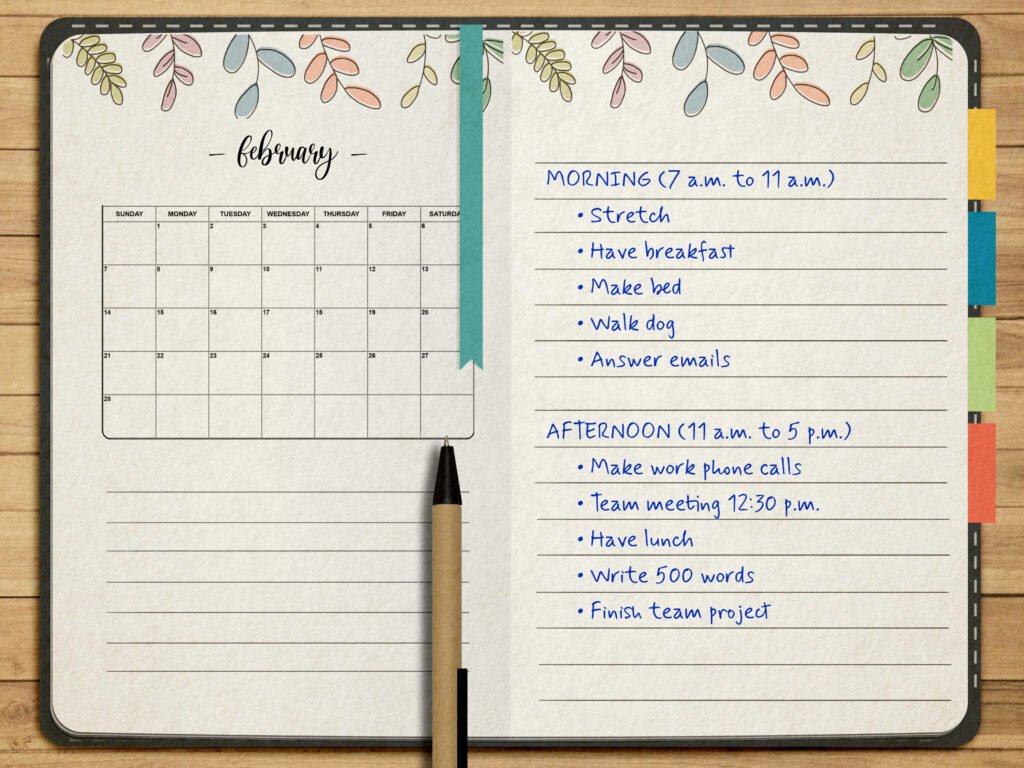
If your household has more than two people sharing a bathroom and overlapping morning schedules, a rough time-block system solves most of the conflict before it starts. This doesn’t need to be rigid to the minute. It needs to exist.
| Time Slot | Typical Setup |
|---|---|
| 6:00-6:30 AM | First shift, early risers |
| 6:30-7:15 AM | Second shift |
| 7:15-8:00 AM | Third shift, flexible schedules |
| Evenings | Open, first come first served |
Households that skip this step almost always end up negotiating it reactively, in the hallway, at 7 AM, half-dressed, which is a worse version of the same conversation you could’ve had calmly during move-in week.
3. The Cleaning Split People Actually Stick To
Vague cleaning agreements fail. “We’ll all just clean up after ourselves” sounds reasonable and almost never holds, because everyone’s threshold for “needs cleaning” is different, and nobody wants to be the one who brings it up first.
What tends to actually work is assigning specific tasks to specific people on a rotating weekly basis, not a general expectation of tidiness. Toilet scrubbing, mirror and counter wipe-down, floor sweep or mop, and trash emptying, split across however many people share the space, with a visible schedule posted somewhere in the bathroom or a shared group chat. It sounds almost too simple to matter, but a posted schedule removes the ambiguity that causes most of the resentment in the first place.
And a smaller thing that makes a real difference: agree upfront on who buys shared supplies like toilet paper and cleaning products, and how that gets reconciled. Splitting it evenly through a shared expense app avoids the slow-building irritation of one person always restocking while nobody else notices or reimburses.
4. Talking About the Uncomfortable Stuff Early
Nobody wants to have the “please don’t leave your hair in the drain” conversation, but avoiding it doesn’t make the issue go away. It just delays the argument and usually makes it worse when it finally happens.

The households that handle this well tend to set a few explicit, slightly awkward ground rules in the first week rather than letting resentment build silently for two months. Things like guest use of the bathroom during someone else’s usual window, whether it’s okay to leave personal items like razors or toothbrushes out, and how noise late at night or early morning gets handled. None of this is glamorous to talk about, but a five-minute conversation during move-in beats a passive-aggressive note taped to the mirror three weeks later.
5. What to Do When Rules Get Broken Anyway
Even with a schedule and a cleaning rotation, someone’s going to run over their time slot occasionally, or forget it’s their week to clean. That’s normal. The households that stay functional are the ones that treat a broken rule as a quick, direct conversation rather than letting it build into a grievance list.
A short, specific message works better than a vague one. “Hey, you’ve been running about fifteen minutes past your usual slot the last few mornings, can we adjust the schedule or figure out what’s going on” lands very differently than silence followed by a blowup weeks later. Most roommate bathroom conflicts aren’t actually about the bathroom. They’re about unspoken frustration that finally has somewhere to go.
If a resident consistently ignores agreed-upon rules despite direct conversations, that’s less a bathroom scheduling issue and more a broader compatibility problem worth raising with whoever manages the lease. Rent By Room Guide Online covers how to handle those larger disputes if a schedule fix genuinely isn’t enough.
For anyone still deciding where to rent in the first place, checking how utilities are handled and negotiating your rate before move-in tends to prevent a good chunk of household friction beyond just the bathroom. And if you’re still weighing whether a shared room setup makes sense at all, our breakdown of room rent versus a studio is worth reading before you commit either way.
FAQs
How do you bring up bathroom scheduling without sounding controlling? Frame it as a practical fix rather than a complaint. Suggesting a rough time-block system during move-in week, before anyone’s annoyed yet, tends to land as considerate rather than demanding.
What if one roommate genuinely needs more bathroom time than others, for medical or personal care reasons? Say so directly and build the schedule around it rather than pretending everyone’s routine is identical. Most households will accommodate a known, communicated need far more easily than an unexplained pattern they’ve been quietly annoyed by for weeks.
Should cleaning supplies be shared or does everyone buy their own? Shared works better for communal items like toilet paper and cleaning spray, split evenly through whatever expense app the household already uses. Personal items like razors and toothbrushes should stay individually owned and stored, not communal.
How do you handle a roommate who consistently leaves the bathroom messy? A direct, specific conversation early is far more effective than hoping it resolves itself. If it continues after being raised clearly more than once, it’s worth treating as a broader living-situation issue rather than something a chore chart alone can fix.
Is it reasonable to ask guests to avoid using the shared bathroom during busy morning hours? Yes, and most reasonable roommates will agree to this once it’s raised. It’s the kind of rule that sounds minor until it’s not been discussed and someone’s running late because a guest was in the shower.
If bathroom conflicts keep coming up no matter what schedule you try, it may be less about the bathroom and more a sign the overall living arrangement isn’t the right fit, which is worth acknowledging honestly before it sours everything else about the house.