

Two rooms, same city, same block even. One’s six hundred a month. The other’s eight fifty. Most people stop right there and take the cheaper one.
That’s the mistake. Price is the easiest number to compare and the least useful one on its own. A six hundred dollar room with no heat included, a forty minute walk to the nearest bus stop, and a landlord who takes three days to answer a text is not actually cheaper than the eight fifty room with utilities bundled in and a subway stop around the corner. It just looks cheaper on the listing page.
1. Total Monthly Cost, Not Listed Rent
Listed rent is a starting number, not the real number. What actually leaves your account every month includes utilities if they’re not bundled, internet if you’re setting it up separately, renter’s insurance if the lease requires it, and transit costs based on where the room sits relative to where you actually go.

RentByRoomGuide’s breakdown of what utilities come included in room rent is worth reading before you compare two listings side by side, because “utilities included” means wildly different things depending on the landlord. Sometimes it’s everything. Sometimes it’s water only, and you find that out in month two.
Here’s a simple way to lay it out when you’re weighing two rooms against each other:
| Cost Category | Room A | Room B |
|---|---|---|
| Listed rent | $600 | $850 |
| Utilities | $140 (not included) | $0 (included) |
| Internet | $60 (separate) | $0 (included) |
| Monthly transit cost | $130 | $60 |
| Real monthly total | $930 | $910 |
Once you add it up, the “cheaper” room costs more. This happens constantly and almost nobody checks it before signing.
2. Commute Time Is a Cost You Pay in Hours, Not Dollars
A room that saves you eighty dollars a month but adds forty minutes to your commute each way is not a deal. That’s roughly thirty extra hours a month spent in transit, time you don’t get back regardless of how the math looks on paper.
How renting near transit cuts commute costs goes into this in more detail, but the short version is that proximity to a reliable transit line or a walkable commute tends to be worth more than people initially price it at. And it’s not just the money. It’s whether you have energy left for anything after work, which matters more once you’re actually living the routine instead of just reading the listing.
3. What the Room Doesn’t Tell You Until You’re Living There
Photos show square footage and natural light. They don’t show you the household you’re joining.
Before comparing two rooms purely on their own merits, find out who else lives there and how the household actually runs. Is it three strangers who each keep to themselves, or a tight group of friends who’ll treat you as the outsider for the first six months? Living with a stranger, what changes first covers some of the adjustment period most people underestimate.
Here’s where people usually go wrong: they fall in love with a room’s aesthetics, the exposed brick or the big window, and skip asking about the household dynamic entirely. A gorgeous room in a chaotic house wears off fast. A plain room in a functional, respectful household tends to age much better than the listing photos would suggest.
A few questions worth asking before you compare rooms on anything else:
- How long has the current household lived together
- Is there a shared cleaning schedule or is it informal
- What’s the guest policy, especially overnight guests
- Has anyone moved out recently, and why
4. Lease Terms Change What “Better Deal” Even Means
A room at a slightly higher price with a month-to-month lease can be worth more than a cheaper room locking you into twelve months, particularly if you’re not fully certain about the job, the city, or the living situation yet.
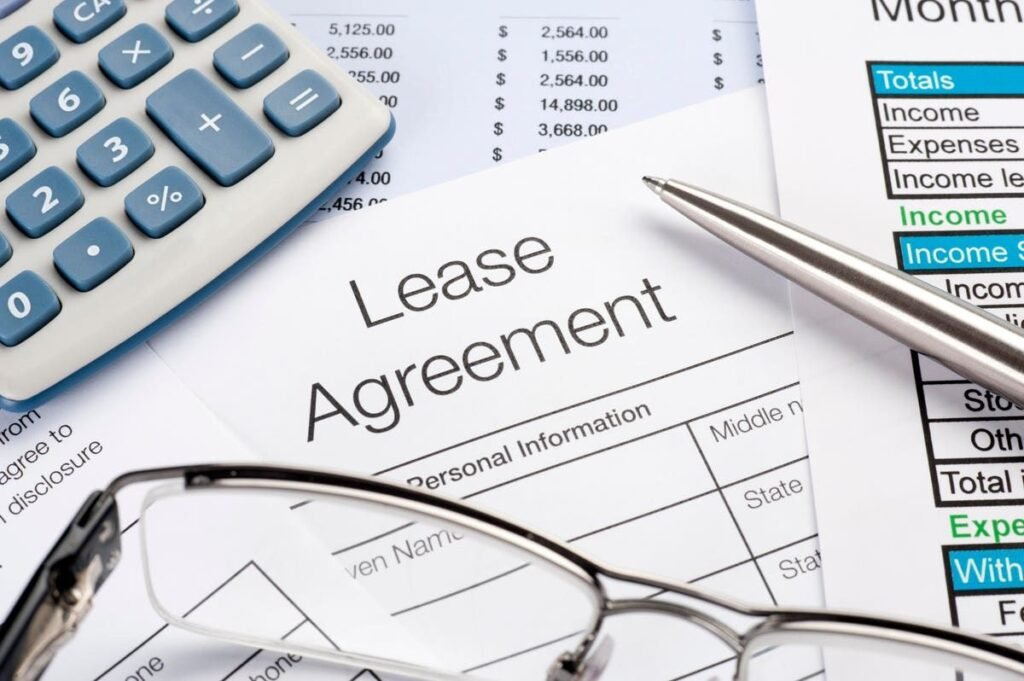
Flexibility has a cost, sure, sometimes landlords price month-to-month options higher precisely because of the flexibility. But compare that premium against the cost of breaking a fixed lease early if things don’t work out. Room rental contracts most renters skip reading closely is a good one to read before you sign anything, because the early termination clause buried on page two often matters more than the rent figure on page one.
Deposit terms matter here too. Some landlords return deposits within a week of move-out. Others hold them for thirty days minimum, or apply vague “cleaning fees” that eat into what you expected back. Ask directly. A landlord who gets cagey about deposit return timelines is telling you something, even if they don’t say it outright.
Common Mistakes When Comparing Rooms
The single biggest one is anchoring to the first number you see and mentally treating every other listing as “more expensive” or “cheaper” relative to that first anchor, instead of building out the real total cost for each option independently.
The second is skipping the household conversation because the room itself photographed well. RentByRoomGuide hears this one constantly from renters who moved fast on a good-looking listing and regretted it within a month.
The third is ignoring lease flexibility entirely and locking into twelve months because it was the only option presented, without asking whether a shorter or month-to-month arrangement exists at a different price point.
Frequently Asked Questions
How do I compare two rooms fairly when one has utilities included and one doesn’t? Build out the real monthly total for each, adding estimated utility and internet costs to the room that doesn’t include them. That total, not the listed rent, is the number to compare.
Is a shorter commute really worth paying more rent for? Often, yes, particularly once you factor in the actual hours spent commuting each week and what that time is worth to you. It depends on your specific routine, but it’s a factor most people underweight.
What questions should I ask about the current household before comparing rooms? Ask how long the group has lived together, whether cleaning responsibilities are formalized, and what the guest policy looks like. These answers tell you more about daily life there than the room’s square footage does.
Should month-to-month leases always be preferred over fixed-term ones? Not always. Fixed-term leases often come with lower rent and more price stability. Month-to-month makes more sense if your plans are genuinely uncertain and the flexibility premium is worth paying for.
Is it normal for deposit return timelines to vary this much between landlords? Yes, and it’s worth asking directly before signing rather than assuming a standard timeline. Some states set legal maximums for deposit return, so it’s also worth checking your local requirements.
For a closer look at how rent prices vary block by block even within the same neighborhood, RentByRoomGuide’s piece on why room rent varies so much by area is a useful next read.