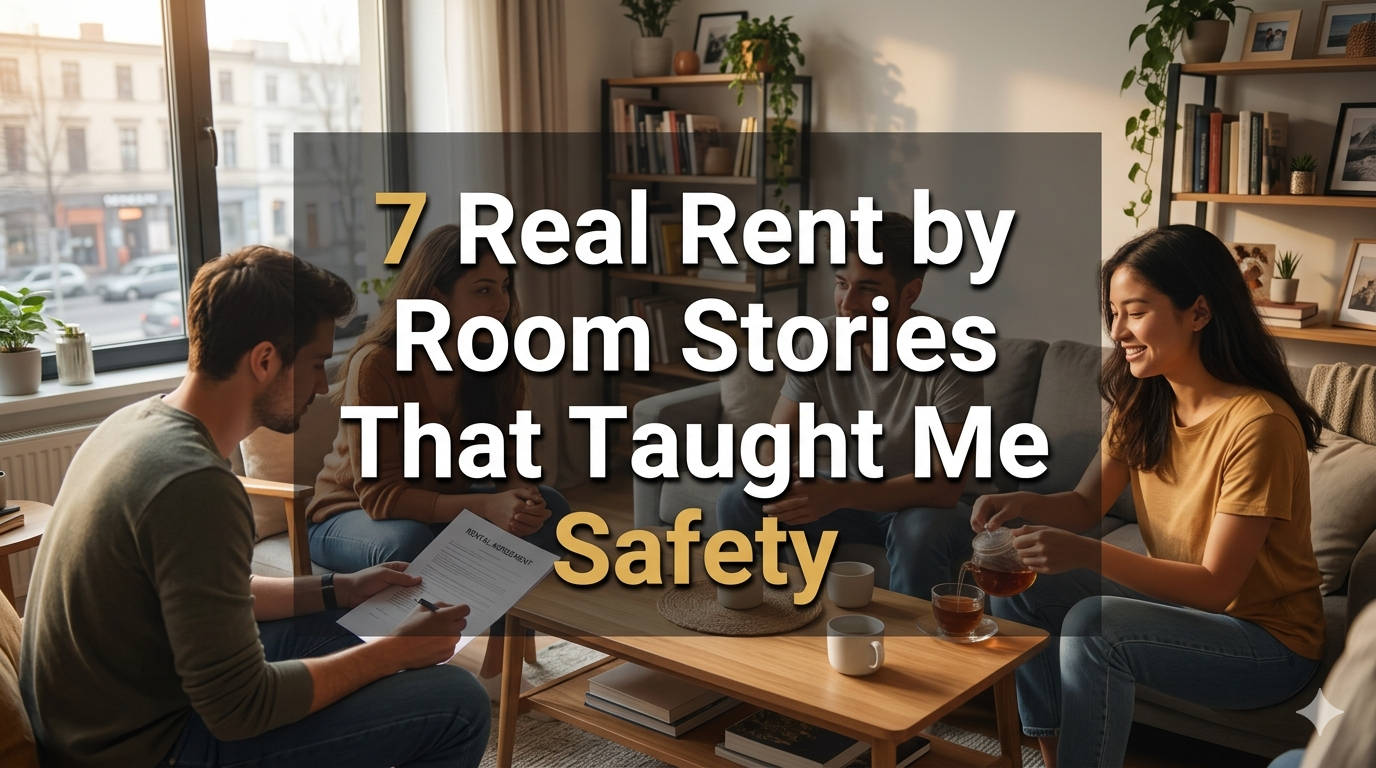
Rent-by-room living can look like an easy way to save money, especially in expensive cities. But behind the affordability, there are real safety lessons that most people only learn after moving in. Safety here isn’t just about locks and keys—it includes financial safety, personal boundaries, emotional well-being, and even legal protection.
These seven real-style stories are based on common experiences shared in shared housing communities, and each one highlights a critical lesson that can prevent costly or dangerous mistakes.
Understanding safety in rent-by-room living
Safety in shared housing can be broken into four main categories:
Safety breakdown table:
| Safety Type | What It Means | Common Risks |
|---|---|---|
| Physical safety | Security of home and belongings | Theft, unsafe neighborhoods |
| Financial safety | Rent, deposits, shared bills | Hidden fees, scams, disputes |
| Social safety | Roommate behavior and boundaries | Conflict, harassment |
| Legal safety | Contracts and rights | Illegal subletting, eviction risk |
Most people only think about physical safety, but financial and legal safety often cause the biggest losses.
Story 1: The unlocked door that changed everything
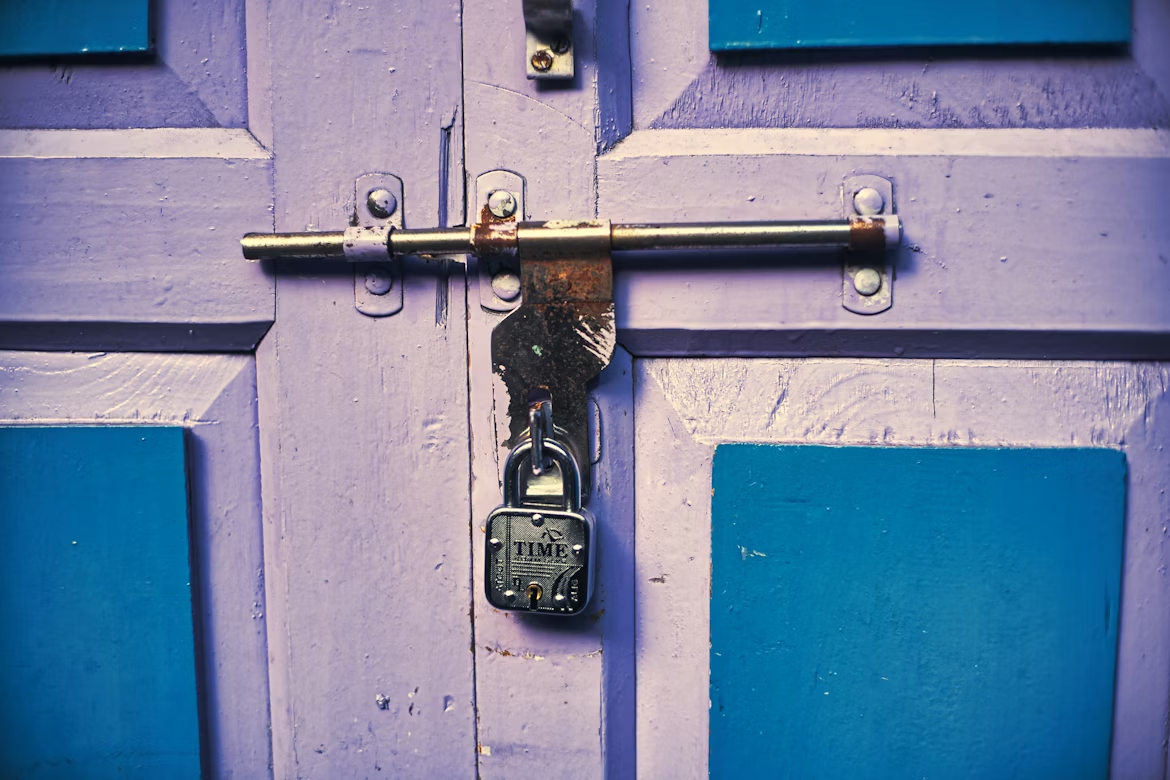
When I first moved into a shared apartment, I assumed basic security was a given. The front door had a lock, but roommates often left it unlocked because “everyone here is friendly.”
One night, someone walked in and stole a laptop from the living room. It wasn’t a break-in—it was simply an open door.
Lesson learned:
Shared trust is not a replacement for physical security.
Safety improvements after incident:
| Problem | Fix Applied | Result |
|---|---|---|
| Unlocked door | Auto-lock system added | Reduced entry risk |
| No accountability | Entry log created | Improved awareness |
| Shared keys freely | Key control policy | Better security |
Key takeaway: In shared housing, security must be structured, not assumed.
Story 2: The roommate who controlled all the bills
In another apartment, one roommate volunteered to manage utilities. At first, it seemed convenient. But after a few months, the bills kept increasing without explanation.
Eventually, we discovered inflated internet and electricity charges.
Lesson learned:
Financial transparency is non-negotiable.
Bill comparison example:
| Month | Claimed Bill | Actual Market Rate | Difference |
|---|---|---|---|
| Jan | $120 | $90 | +$30 |
| Feb | $135 | $95 | +$40 |
| Mar | $150 | $100 | +$50 |
Safety rule:
Never allow one roommate to fully control shared finances without verification.
Story 3: The “friendly stranger” sublet situation
A roommate sublet their room to a friend without informing others. The new person seemed polite at first, but we later found out they had no formal agreement and were not screened.
This led to late-night visitors and uncomfortable situations.
Lesson learned:
Unauthorized subletting creates hidden risk.
Risk breakdown:
| Issue | Risk Level | Impact |
|---|---|---|
| No background check | High | Safety uncertainty |
| No lease agreement | High | Legal vulnerability |
| Unknown occupants | Medium | Social discomfort |
Rule: Every new occupant must be approved and documented.
Story 4: The shared kitchen conflict that escalated

What started as small disagreements about cleaning turned into serious conflict. One roommate began locking personal food items, while another stopped cleaning altogether.
Eventually, communication broke down completely.
Lesson learned:
Small boundary issues escalate when ignored.
Conflict escalation chart:
| Stage | Behavior | Outcome |
|---|---|---|
| Early tension | Minor complaints | Ignored |
| Growing conflict | Passive-aggressive acts | Stress increases |
| Breakdown | Open confrontation | Room instability |
Solution:
Written house rules could have prevented escalation early.
Story 5: The deposit that never came back
After moving out of a shared house, I expected my deposit to be returned. The landlord claimed “cleaning damages” that were never documented.
No checklist existed when moving in.
Lesson learned:
Always document property condition before moving in.
Inspection checklist example:
| Item | Move-in Condition | Move-out Condition | Notes |
|---|---|---|---|
| Walls | Good | Good | No damage |
| Furniture | Minor wear | Same | Acceptable |
| Appliances | Working | Working | No issues |
Safety rule:
Always take photos and signed checklists.
Story 6: The unsafe neighborhood assumption
A listing looked perfect: cheap rent, good room, friendly landlord. But the area was poorly lit and had frequent late-night disturbances.
Within weeks, multiple tenants felt unsafe returning home at night.
Lesson learned:
Affordability means nothing without environmental safety.
Area safety comparison:
| Factor | Safe Area | Unsafe Area |
|---|---|---|
| Street lighting | Good | Poor |
| Noise levels | Low | High |
| Police presence | Regular | Rare |
| Walkability at night | Safe | Risky |
Rule:
Always visit the property at night before committing.
Story 7: The lease loophole that caused eviction risk
In one shared house, the lease only listed one tenant officially. Everyone else was considered “guests.” When the main tenant had a dispute with the landlord, everyone risked eviction instantly.
Lesson learned:
Legal structure matters more than verbal agreement.
Lease risk breakdown:
| Arrangement Type | Legal Protection | Risk Level |
|---|---|---|
| Named lease | High | Low |
| Sublease | Medium | Medium |
| Informal stay | Low | High |
Rule:
Always ensure your name is on a legal agreement if you live there long-term.
Overall safety lessons from all stories
Combined safety insights:
| Safety Area | Key Lesson |
|---|---|
| Physical | Never rely on informal security |
| Financial | Always verify shared expenses |
| Social | Set boundaries early |
| Legal | Always document agreements |
Practical safety checklist before moving into a room
| Category | Action Required |
|---|---|
| Security | Check locks, exits, lighting |
| Financial | Review bills and payment method |
| Roommates | Meet all occupants |
| Legal | Review lease carefully |
| Environment | Visit area at different times |
Final thoughts
Rent-by-room living can be safe, affordable, and practical—but only when approached with awareness. Most risks don’t come from dramatic events but from small ignored details: unclear agreements, poor communication, or assumptions about trust.
The biggest safety improvement is not fear—it is structure. When everything is documented, verified, and communicated clearly, shared living becomes significantly more stable and stress-free.
FAQs
- What is the biggest safety risk in rent-by-room living?
The biggest risk is usually lack of clear agreements, especially around finances and legal responsibilities. - How can I check if roommates are trustworthy?
Ask about income stability, rental history, and house habits before moving in together. - Should I always sign a formal lease?
Yes. Without a lease, your legal protection is extremely limited. - How do I protect my deposit?
Take move-in photos, document everything, and ensure written agreement on deposit return conditions. - Is it safe to share utilities with roommates?
Yes, but only if costs are transparent and verifiable. - What should I check before choosing a room?
Check security, neighborhood safety, lease structure, roommate behavior, and hidden costs.