

The first time I helped a friend move into a shared room, she’d already signed the lease before meeting a single roommate face to face. Three weeks in, she was sleeping with headphones on just to block out someone else’s Zoom calls. Nothing about the room itself was the problem. The mismatch was.
That’s the pattern with room sharing. The mistakes rarely show up on move-in day. They show up in week three, when the small things start compounding.
1. Skipping the Actual Conversation Before Signing
Most people meet a potential roommate once, over coffee or a quick video call, and treat that as enough. It isn’t. A single friendly conversation tells you almost nothing about someone’s actual habits.

What matters more: when do they go to sleep, do they cook, are they home most nights or barely there, do they have people over often. These aren’t invasive questions. They’re the difference between a room that works and one that doesn’t.
If you’re still figuring out what a fair budget even looks like before you get to this stage, this budgeting breakdown is worth reading first, since it shapes how much flexibility you’ll have to walk away from a bad match.
2. Assuming Verbal Agreements Will Hold
“We’ll split it evenly” and “I’ll just crash there sometimes” are the two phrases that cause the most disputes in shared rooms. Verbal agreements feel fine until money or space gets tight, and then everyone remembers the conversation slightly differently.
Get the basics in writing, even if it’s just a shared note or a text thread you both agree to. Who pays what, by when, what happens if someone’s guest stays multiple nights, whose name is on utilities. It sounds unnecessary until the first month things go sideways.
A quick chart helps clarify what should actually be nailed down before move-in:
| Topic | Should be discussed before move-in | Common first-timer mistake |
|---|---|---|
| Rent split | Yes, in writing | Assumed “even split” without defining what’s included |
| Guest policy | Yes | Never discussed until a guest overstays |
| Cleaning schedule | Yes, at least loosely | Left as “we’ll figure it out” |
| Utility responsibility | Yes | One person defaults to paying and resents it later |
| Noise hours | Yes | Assumed to be obvious, rarely is |
3. Not Checking What’s Actually Included in the Rent
This one catches people constantly. A room listed at a low price can end up costing more once you add utilities, wifi, parking, or a laundry fee that wasn’t mentioned upfront. And the reverse happens too. Some listings look expensive until you realize everything is bundled in.
Ask directly. Not “are utilities included,” which gets a vague yes or no, but which utilities specifically, and whether there’s a cap. Some landlords include utilities up to a certain amount and bill separately past that, which nobody tells you unless you ask. There’s a full rundown of what typically comes bundled into room rent if you want to know what to ask about before you’re mid-lease and confused by a bill.
Here’s where people usually go wrong: they compare listing prices side by side without normalizing for what’s included, and end up picking the “cheaper” option that costs more once everything’s factored in.
4. Ignoring Commute Cost When Comparing Rooms
A room that’s fifty dollars cheaper a month can quietly cost more once you add up gas, transit passes, or the extra hour a day you’re not getting back. First-timers almost always weigh rent in isolation, as if the room exists independent of where it sits on a map.
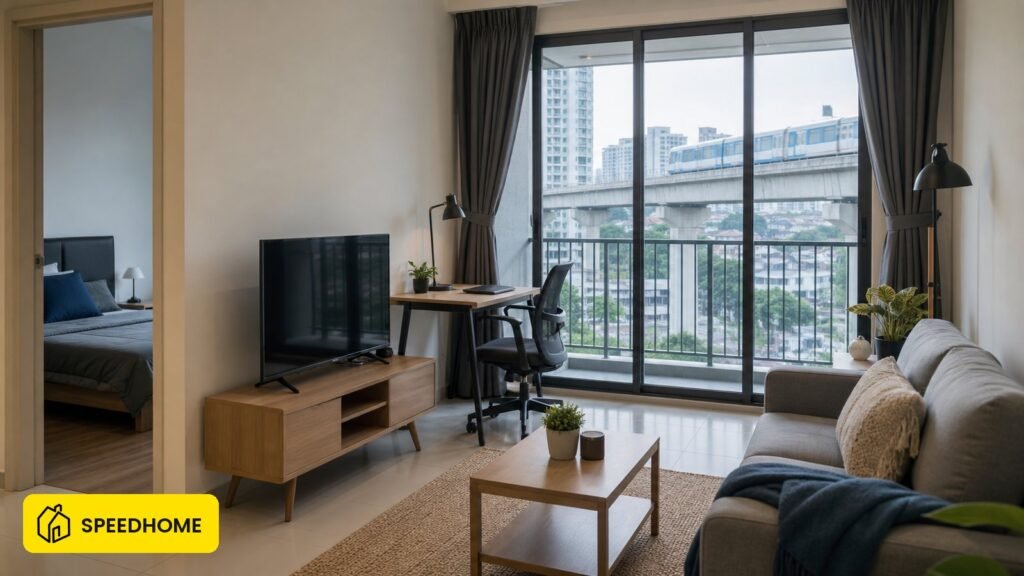
This matters more in some cities than others. If transit access changes the math significantly in your area, it’s worth reading how renting near transit actually affects total monthly cost, because the savings aren’t always where people expect them.
And but here’s the thing people miss most: time isn’t just money, it’s also energy. An hour-long commute each way adds up to something closer to a part-time job by the end of the month, and that fatigue affects everything else about how the arrangement feels.
5. Not Negotiating at All
There’s a persistent belief that room rent is fixed, take it or leave it. It usually isn’t, especially if a room has been listed for more than a couple weeks, if you’re offering to move in fast, or if you’re willing to sign a longer lease. Landlords and roommates renting out a spare room are often more flexible than a property management company would be.
The mistake isn’t failing to negotiate successfully. It’s not trying at all because the asking price felt final. A short, direct message asking whether there’s flexibility costs nothing and occasionally saves real money. If you want a sense of what actually works in these conversations, this piece on negotiating room rent covers the specific asks that tend to land versus the ones that get ignored.
6. Judging a Room Only on Photos
Photos compress a room. Wide-angle lenses make small spaces look larger, good lighting hides wear, and angles conveniently avoid whatever’s wrong with the place. First-timers who haven’t rented before are especially prone to trusting the photos as the full picture, partly because they don’t yet know what red flags to look for in person.
Video calls help, but nothing replaces walking through a space and noticing what a camera won’t show. Water stains near windows. How thin the walls actually sound when someone talks in the next room. Whether the “shared kitchen” photo was taken at an angle that hides how small it actually is.
At Rent By Room Guide Online, this comes up constantly in reader questions, and it’s usually the first-time renters who get caught by it, not because they weren’t careful, but because they didn’t yet know what carefulness looked like in this specific context.
A Quick Gut Check Before You Sign
- Have you actually spoken with your roommate about sleep schedule, guests, and cleaning, not just vibes?
- Do you know exactly what’s included in the rent, in writing?
- Have you factored in commute cost, not just the rent number?
- Did you ask about flexibility on price, even briefly?
- Have you seen the space in person or on a live video call, not just static photos?
If you can answer yes to all five, you’re already ahead of most first-timers.
Where This Usually Goes Sideways
The recurring theme across almost every room-sharing regret I’ve heard about is that people optimize for speed. They want the search over, so they stop asking questions the moment a room seems adequate. Adequate isn’t the same as right, and the difference tends to surface exactly when it’s least convenient, three or four weeks in, when moving again feels like too much hassle.
It’s worth comparing whether a shared room is even the right call to begin with, versus a studio, especially if privacy matters more to you than saving money. This comparison of room rent versus studio living lays out the actual tradeoff instead of assuming one is obviously better.
FAQs
Is it normal to feel unsure even after meeting a roommate in person? Yes, and it’s worth paying attention to. A short meeting doesn’t reveal daily habits, and hesitation after meeting someone is often a signal worth taking seriously rather than dismissing as nerves.
How do I bring up money without it being awkward? Frame it as logistics, not confrontation. Something like “let’s figure out how we’re splitting rent and utilities before move-in” tends to land better than waiting for the topic to come up naturally, because it often doesn’t.
What if the listing didn’t mention a fee that showed up later? Ask for clarification in writing before paying it, and check your lease or agreement for what was actually disclosed. Undisclosed fees are one of the more common disputes in informal room-sharing arrangements.
Should I get everything in writing even for a casual arrangement with a friend? Especially with a friend. Money disagreements are one of the fastest ways to damage a friendship, and a simple written agreement protects the relationship as much as the finances.
How long should I expect it to take to find a room that actually fits? Longer than most people plan for. Rushing the search is where most of these mistakes originate, so building in extra time upfront tends to save time overall.