A woman we spoke with last year found a room fifteen minutes from her new job, priced almost forty percent below everything else in the listings. She wired the deposit that same night. There was no room. There was no landlord. There was a stock photo of a bedroom pulled from an unrelated listing three states away, and a scammer who blocked her number the next morning.
That story is not rare. It is the most common version of a room rental going wrong, and almost every version of it could have been stopped by a handful of checks that take less than an hour combined. This isn’t a list of vague warnings. It’s the specific stuff worth verifying before you send money or sign anything, based on what actually trips people up.
1. Confirm the Room Actually Exists Before You Talk Price
Before any conversation about rent, deposits, or move-in dates, confirm the physical room exists and that the person listing it controls it. This sounds obvious. It is skipped constantly because the listing looks normal and the photos look real.
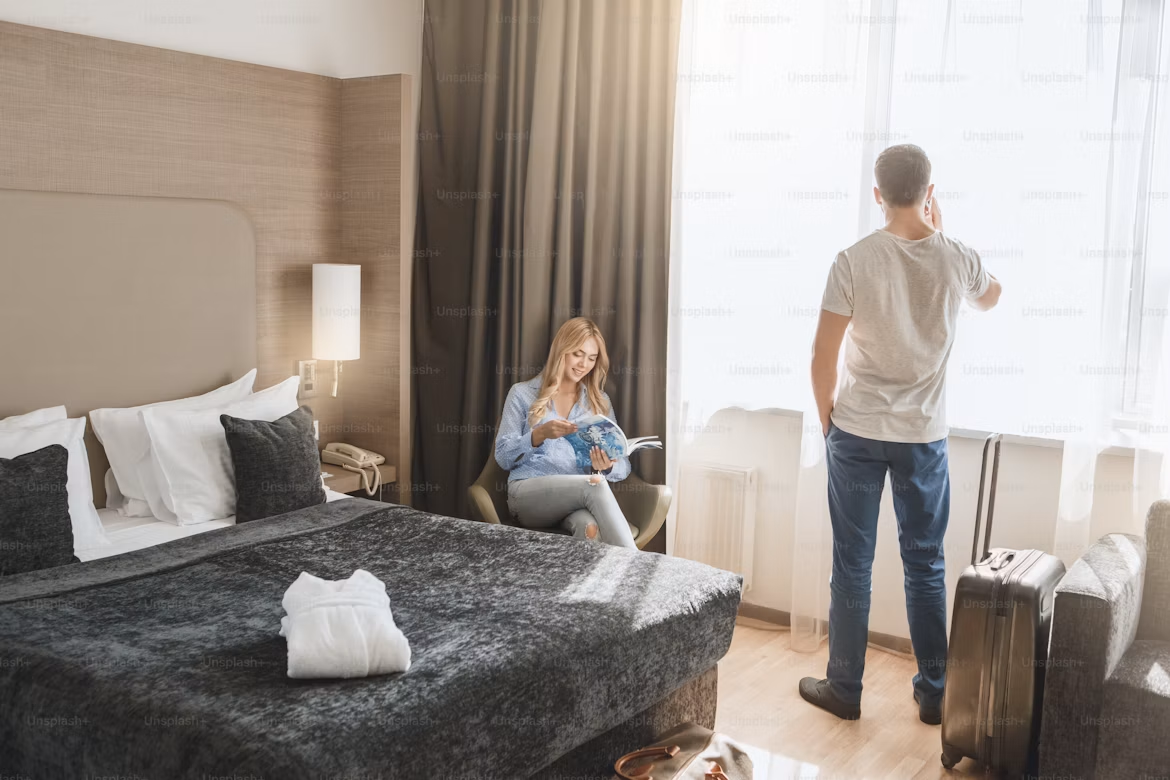
Ask for a live video walkthrough, not a pre-recorded one. A live call, even a short one, is very hard to fake convincingly. If the person listing the room stalls on this, claims they’re “out of town” indefinitely, or offers to mail you keys instead, that’s a room you should not pursue further. RentByRoomGuide’s guide to affordable rent covers a few more ways to sanity-check a listing before you get emotionally attached to it.
Cross-reference the address. Search the street address plus “apartment” or “room for rent” and see if the same photos show up on a different site with a different name attached. Reused photos under different contact names are one of the clearest signals something is off.
2. Verify Who You’re Actually Paying
This is where most money gets lost, and it usually happens fast, before a renter has had time to think it through.

Never send a deposit through a wire transfer, gift cards, or a payment app to someone you have not met or verified through video and, ideally, a real lease document. Legitimate landlords and property managers do not ask for gift cards. Ever. If that request comes up, the conversation is over, regardless of how good the room looked.
Ask for the landlord’s full legal name and check it against public property records if the county makes them searchable online, which most do. A five-minute search here has saved people from losing thousands.
| Payment Method | Risk Level | Notes |
|---|---|---|
| Gift cards | Extremely high | Never legitimate for rent, no exceptions |
| Wire transfer to individual | High | Untraceable once sent, hard to reverse |
| Cash before viewing in person | High | No paper trail, no recourse |
| Check or money order | Moderate | Some traceability, still send only after in-person or verified video viewing |
| Payment through a verified property management platform | Lower | Platform usually holds funds until move-in confirmed |
3. Read the Lease Line by Line, Especially the Boring Parts
Most people skim the lease and focus on the rent number and the move-in date. The parts that actually cause disputes later are the ones nobody reads: what happens to the deposit if you leave early, whether utilities are itemized or bundled into rent, and who is responsible for repairs versus maintenance.
If utilities aren’t spelled out clearly in the lease, get that in writing separately before you move in. This breakdown of what utilities typically come included in room rent is a decent starting point for knowing what questions to even ask.
Here’s where people usually go wrong: they assume a verbal agreement about “utilities included” holds up the same way a written clause does. It doesn’t. If a landlord tells you utilities are included but the lease says nothing about it, ask them to add a line. If they refuse, that refusal tells you something.
4. Check the Room and the Building, Not Just the Listing Photos
Photos show the room on its best day, styled and well lit. What they don’t show is water damage behind a headboard, a lock that doesn’t fully catch, or a shared bathroom three people are already fighting over.
During the in-person or live video visit, look specifically for:
- Working locks on the bedroom door, not just the front door of the unit
- Visible mold or water stains near windows and ceiling corners
- Whether the room has a window that actually opens, which matters more than people expect
- Cell signal and internet reliability inside the specific room, not just somewhere in the building
- How many other people are on the lease and whether you’ll meet them before signing
If you’re renting into a household with existing roommates rather than an empty unit, that changes the calculus. RentByRoomGuide’s list of roommate red flags is worth reading before that first meeting, because a great room with a bad roommate situation tends to end badly regardless of price.
5. Get Everything Outside the Lease in Writing Too
A lease covers rent and term length. It rarely covers who does dishes, whether guests are allowed overnight, or how the thermostat gets set in winter. Those are the things that actually cause friction three weeks in.
A short written agreement, even something informal, between roommates covering guest policy, quiet hours, and shared cleaning saves a surprising number of relationships. How to write a simple roommate agreement walks through what to include without turning it into a legal document nobody will actually follow.
And if the room price seems unusually low for the area, ask why directly. Sometimes it’s a legitimately good deal. Sometimes it’s a room next to a construction site that won’t finish for another year, or a landlord who’s had four tenants leave in the past eight months. Either way, you want the honest answer before you’re the one signing.
Frequently Asked Questions
Is it normal for a landlord to ask for first and last month’s rent plus a security deposit up front? Yes, this is standard in most areas, though the exact combination varies by state and local law. What’s not standard is being asked to pay all of it before you’ve seen the room in person or on a live video call.
Can I ask to meet the other roommates before signing anything? You should, and a landlord or current tenant who resists this request without a reasonable explanation is worth being cautious about. Living with people you’ve never met is a real risk factor, not just an inconvenience.
What if the listing photos look real but the price feels too low for the neighborhood? Search the address and photos separately online before contacting the lister. A price that’s dramatically below comparable rooms in the same area is one of the more reliable warning signs, even when everything else about the listing looks legitimate.
Should I get a roommate agreement even if we’re all friends already? Especially then. Friendships complicate money conversations rather than simplifying them, and a written agreement gives everyone something neutral to point back to when memory of a verbal conversation gets fuzzy.
How do I know if a “too good to be true” room rental is actually a scam? Trust the combination of signals rather than any single one. Unusual payment requests, refusal to do a live video walkthrough, and pressure to decide within hours are the three that show up together most often in scam listings.
For more on comparing costs across different setups before you commit, RentByRoomGuide’s comparison of room rent versus a studio is worth a look.