

I still remember the day I moved into my first rented room. I had one bag, a foldable mattress I borrowed from a cousin, and absolutely zero clue what I actually needed. I thought renting was simple — pay the rent, move in, done. But within the first two weeks, I was making emergency runs to the store, arguing with my landlord over things I never even thought to ask about, and realizing I had completely underestimated what “being prepared” actually meant.
If you’re a renter — whether it’s your first place or your fifth — this list is what I wish someone had handed me before I signed anything. These aren’t luxury extras. These are the real essentials that make the difference between renting smartly and renting stressfully.
1. A Solid Lease Agreement You’ve Actually Read
This one sounds obvious. But you’d be shocked how many people (including me, initially) just skim the lease and sign it because they’re excited about the room. That is a mistake you will feel later.
Your lease is your legal protection. It’s the document that says what the landlord can and cannot do, what you’re responsible for, and what happens if something goes wrong. Most rental disputes I’ve seen — and been part of — come down to one thing: “But it’s not in the lease.”
What to look for before signing:
- Who pays for utilities (water, electricity, gas, internet)?
- What’s the notice period if either party wants to end the agreement?
- Are there penalties for breaking the lease early?
- Is subletting allowed?
- What are the rules around guests, pets, or parking?
- How is the security deposit handled and when is it returned?
If something isn’t written, ask for it to be added. Verbal promises mean nothing once you’ve moved in.
I once rented a room where the landlord casually said, “Oh, don’t worry about the water bill, I’ll cover it.” Three months later, a bill showed up with my name on it. Because it wasn’t in the lease, I had no leg to stand on. Lesson learned the expensive way.
Pro tip: Use Google Docs or even a simple notes app to keep a digital copy of your signed lease. You’ll thank yourself later.
| Lease Checklist | Status |
|---|---|
| Rent amount & due date | Must be clear |
| Security deposit terms | Written, not verbal |
| Utility responsibilities | Specified per type |
| Maintenance responsibility | Who fixes what |
| Notice period | Minimum 30 days ideally |
| Pet/guest policy | Know the rules upfront |
2. Renters Insurance (Yes, You Actually Need This)

Here’s something most first-time renters skip entirely: renters insurance. And I completely understand why — it feels unnecessary until the moment it isn’t.
I had a roommate whose laptop was stolen when someone broke into our shared flat. He didn’t have renters insurance. The landlord’s insurance covered the building — not our stuff. My roommate lost a ₨150,000+ laptop with absolutely no recourse.
Renters insurance is surprisingly affordable. In many countries, a basic policy costs less than a decent meal out per month. It typically covers:
- Theft of personal belongings
- Fire or water damage to your stuff
- Liability if someone gets hurt in your space
- Temporary housing if your rental becomes uninhabitable
Apps like Lemonade (available in the US and several other countries) have made renters insurance ridiculously easy to set up — sometimes in under 5 minutes. If you’re in Pakistan or South Asia, check with local insurers like Jubilee Insurance or EFU for personal property plans.
It’s one of those things where you pay a small amount hoping you never need it. But when you do need it, you’re so glad it’s there.
3. A Basic Home Toolkit
Nobody tells you this before you rent, but the moment you move in, things start needing fixing. A loose door handle. A leaky faucet. A cabinet hinge that’s given up on life.
Now, depending on your lease, your landlord might be responsible for repairs. But here’s the reality — landlords don’t always respond quickly, and some small fixes just aren’t worth the back-and-forth. Having a basic toolkit means you’re not waiting three days for someone to tighten two screws.
The essentials I keep in my rental:
- Screwdriver set (flathead + Phillips)
- Hammer
- Adjustable wrench
- Measuring tape
- Duct tape and electrical tape
- Wall hooks and picture hanging strips (3M Command strips are a lifesaver)
- A small power drill (optional but incredibly useful)
You don’t need a full hardware store. A basic set from any home goods store gets you through 90% of minor issues.
Speaking of which, if you’re new to renting and figuring out how to navigate landlord relationships and maintenance situations, 10 Rent By Room Guide Hacks That Will Make Finding Rooms Quick has some genuinely practical advice on keeping things smooth from day one.
4. A Move-In Condition Report (With Photos)
This is the one most renters skip and then regret at the end of their tenancy when suddenly the landlord is claiming damages that were already there when they moved in.
Before you unpack a single box, walk through the entire rental and document everything. Every scratch on the wall. Every stain on the carpet. Every crack in the bathroom tile. Take dated photos and send them to your landlord via WhatsApp or email so there’s a timestamp and a record.
This single habit has saved me from unfair deposit deductions twice.
How to do it properly:
- Walk through each room systematically
- Photograph every wall, floor, ceiling, appliance, and fixture
- Note any pre-existing damage in a written list
- Share it with your landlord in writing and ask for confirmation
- Save everything — photos, emails, messages — in a dedicated folder
Apps like Snug (for Australian renters) or simply Google Photos with location tagging work great. Even a WhatsApp message with attached photos creates a legally useful paper trail in many jurisdictions.
The condition report isn’t just about protecting your deposit — it’s about being a fair and transparent tenant, which actually builds trust with good landlords.
5. A Smart Budget Tracker for Monthly Expenses
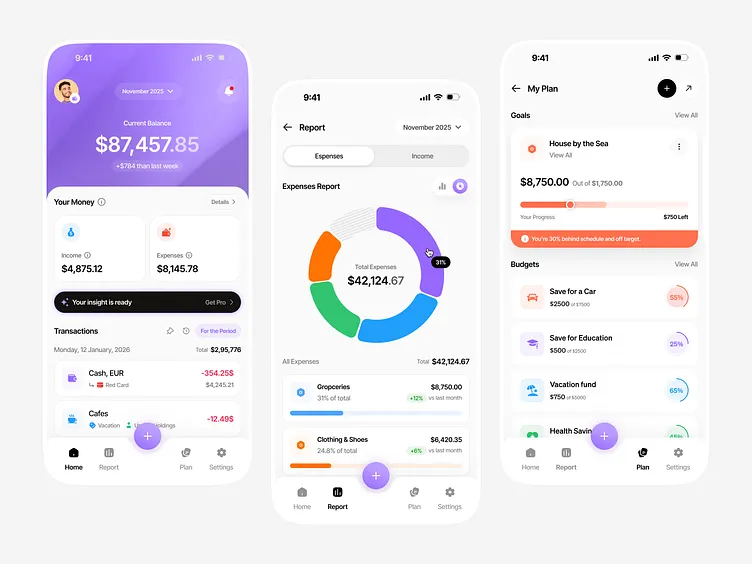
Rent is rarely just rent. By the time you add utilities, internet, groceries, transport, and the random expenses that pop up (new light bulbs, a shower curtain, cleaning supplies), your monthly cost of living is almost always higher than you planned.
I used to just guess my way through the month and then stress when I was short. Now I use a simple budget tracker, and it’s completely changed how I manage my rental life.
Tools that actually work:
- Google Sheets — free, customizable, and you can access it anywhere
- Splitwise — brilliant if you have roommates and need to track shared expenses fairly
- YNAB (You Need A Budget) — slightly more advanced but excellent for building real financial discipline
- Money Manager — popular app in South Asia, simple and effective
Here’s a basic monthly rental budget template you can adapt:
| Expense Category | Estimated Cost | Actual Cost | Notes |
|---|---|---|---|
| Rent | — | — | Fixed |
| Electricity | — | — | Varies seasonally |
| Water | — | — | Check if included |
| Internet | — | — | Fixed |
| Groceries | — | — | Weekly estimate x4 |
| Transport | — | — | Commute costs |
| Miscellaneous | — | — | Buffer amount |
| Total | — | — |
The goal isn’t to be penny-pinching — it’s to know where your money is going so you’re never blindsided. And if you’re looking to stretch that rental budget further, 9 Effective Tips for Rent By Room Guide to Getting the Most Bang for Your Buck is worth a read before you even start your search.
6. A Communication System That Creates Records
This one sounds less like a “physical essential” and more like a habit — but it genuinely is one of the most important things a modern renter can have.
Every conversation with your landlord should leave a paper trail. Not because you expect conflict, but because memories are unreliable and good documentation protects everyone.
Here’s what I mean. Early in one of my rentals, my landlord verbally agreed to fix the water heater before winter. He forgot. When I brought it up in December, he had no memory of agreeing to it. If I’d sent a quick follow-up message after our conversation — “Hey, just confirming you’ll get the water heater sorted before November?” — I’d have had something in writing.
Build this simple system:
- Primary channel: Use WhatsApp, email, or a property management app for all major conversations
- After verbal conversations: Send a quick “just confirming what we discussed” follow-up text
- For payments: Always pay via bank transfer (not cash where possible) and keep receipts or screenshots
- For complaints: Put them in writing even if you’ve spoken about them verbally
- Organize everything: Keep a folder (digital or physical) labeled by rental address with all correspondence
Apps like Rentberry or even a simple Google Drive folder can keep all your rental documents organized and accessible.
The landlords who are trustworthy and professional will respect this. The ones who push back on documentation are giving you useful information about who they are.
For more on how to actually verify landlords and spot the good ones before you even sign anything, 6 Smart Rent By Room Guide Ways to Verify Landlords Fast breaks it down really well.
Common Mistakes Renters Make (Even Experienced Ones)
Even after several rentals, I’ve caught myself slipping into these:
- Trusting verbal agreements — always, always get it in writing
- Not reading the full lease — boring but essential
- Skipping the move-in inspection — don’t do this, ever
- Underestimating total monthly costs — budget beyond just rent
- Ignoring small maintenance issues — they grow into big problems
- Not knowing tenant rights in your area — this varies by city and country, and knowing yours gives you real power
One I see constantly: people signing leases without understanding the early termination clause. Then life happens — a job change, a family situation — and suddenly they’re locked in or losing their deposit. Read that section twice.
Final Thoughts
Renting doesn’t have to be stressful. Most of the headaches come from going in unprepared — not reading carefully, not documenting, not budgeting properly. The six essentials in this article aren’t complicated or expensive. They’re just habits and tools that give you control over your rental experience instead of letting it control you.
Whether you’re moving into your first shared room or your fifth apartment, building these habits early makes everything smoother. You’ll have fewer disputes, fewer financial surprises, and a much better relationship with your landlord and your living situation.
Start with the lease. Get the photos. Track the budget. And communicate everything in writing.
That’s really it.
Want to make sure you’re not falling for bad listings or getting stuck in a difficult rental situation? Check out 7 Rent By Room Guide Tips to Avoid Rental Fraud — it covers the red flags every renter should know before handing over a single rupee.