
I still remember the sinking feeling when I handed over three months’ rent as a “security deposit” to a landlord I’d met exactly once — through a WhatsApp message. No lease. No receipt. Just a promise and a set of keys.
Spoiler: the keys didn’t even fit the lock properly. And that “landlord”? Gone within two weeks.
That experience cost me more than money. It cost me time, sleep, and a serious lesson in how not to rent a room. Since then, I’ve talked to dozens of renters, lived in shared houses, navigated dodgy listings, and slowly figured out what separates smart tenants from the ones constantly bleeding cash.
Here are the 7 biggest rent mistakes I’ve seen (and made) — and how to avoid every single one of them.
1. Signing the Lease Without Reading It Properly
Raise your hand if you’ve skimmed a lease and just… signed it. Yeah. Most of us have.
The problem is that leases aren’t just boring legal documents. They’re traps — sometimes literally. Landlords (not all, but some) bury clauses that allow them to charge you for things you’d never expect: professional cleaning fees, “admin charges” for maintenance requests, penalties for having guests overnight too often.
One renter I know got hit with a £300 cleaning bill when she moved out — even though she’d left the place spotless. The lease had a clause requiring “professional end-of-tenancy cleaning regardless of condition.” She’d skipped that line entirely.
What to do instead:
- Read every clause, especially anything about deposits, notice periods, and fees.
- If something is confusing, Google it or paste it into an AI tool like Claude or ChatGPT and ask for a plain-English explanation.
- Ask the landlord in writing to clarify anything vague. Their reply becomes a paper trail.
- Never accept a verbal promise as a substitute for written terms.
Honestly, before you sign anything, go through these 6 essential rent-by-room rules — they’ll save you from the most common lease traps.
2. Skipping the Move-In Inspection (And Not Documenting It)
This is probably the single most expensive mistake tenants make — and it’s completely preventable.
When you move into a new place, the condition of that room or apartment at that exact moment is your legal baseline. If you don’t document it, the landlord can claim you caused damage that was already there when you arrived.
I once moved into a shared house where the bathroom had a cracked tile and a door that didn’t close properly. I didn’t take photos. At move-out, the landlord tried to deduct repair costs from my deposit. I had no proof those issues existed before I arrived.
I lost that argument.
What to do instead:
- On day one, walk through every room with your phone and film everything. Every scratch, every stain, every broken hinge.
- Take timestamped photos and email them to the landlord the same day. Now you have a record they’ve received.
- Use apps like Snapfix or simply WhatsApp the photos so there’s a date stamp in the conversation.
- Keep a copy of the inventory checklist (if provided) with your own notes added.
This takes 20 minutes. It can save you hundreds later.
3. Not Verifying the Landlord Before Paying Anything
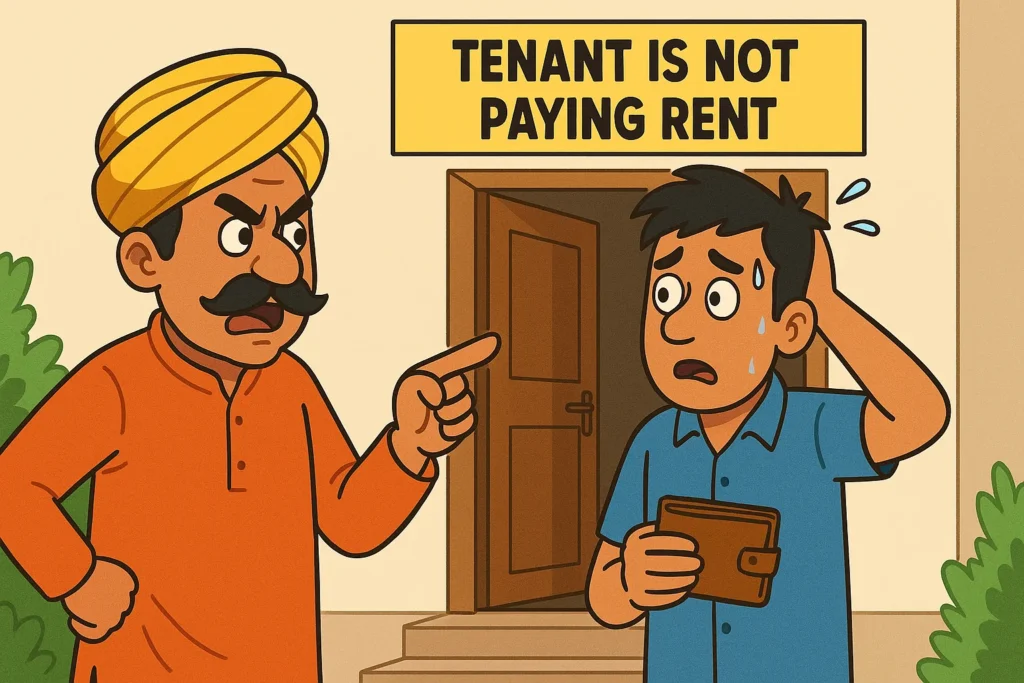
Rental fraud is more common than people think — especially in high-demand cities where desperation pushes people to act fast.
The scam usually works like this: someone posts a gorgeous listing at a below-market price. You message them. They’re “abroad” or “busy” but very keen to rent to you. They ask for a deposit to “hold the room.” You send it. They disappear.
Or worse — they’re real people who show you a property they don’t actually own.
There are smart ways to verify landlords quickly before you commit a single penny, and it doesn’t take much effort.
Quick verification checklist:
| Check | How to Do It |
|---|---|
| Ownership of property | Land Registry search (UK) / County Records (US) |
| ID verification | Ask for photo ID and cross-check with their name on utility bills |
| Reverse image search listing photos | Use Google Images or TinEye to spot reused photos |
| Meet in person at the property | If they refuse, walk away |
| Check reviews or references | Ask for previous tenant contacts |
If a landlord won’t meet you in person at the actual property, that’s your answer right there.
4. Ignoring the True Cost of “Cheap” Rent

This one is subtle and it gets people every time.
You find a room for $400/month when everything else is $600. You’re thrilled. You sign immediately. Then you discover:
- Bills aren’t included (add $120)
- It’s 45 minutes from work by public transport (add commute costs + time)
- The heating barely works (add extra electricity bills)
- There’s no laundry in the building (add laundromat visits)
Suddenly your $400 room costs $650 in real terms — and it’s less convenient than the $600 room you passed on.
How to calculate the true cost of a room:
- Start with base rent.
- Add your share of utilities (ask the current tenants, not the landlord).
- Factor in internet if not included.
- Estimate monthly transport costs to and from your usual destinations.
- Add any parking, laundry, or storage costs.
- Check if the area has decent shops nearby or if you’ll be paying delivery fees constantly.
Once you do this math, the “cheap” room often isn’t. And the slightly pricier one closer to everything actually saves you money month to month.
5. Paying a Deposit Without Getting a Receipt or Using a Scheme
In many countries, landlords are legally required to place your deposit into a protected scheme. In the UK, for instance, it must go into one of three government-approved schemes: TDS, DPS, or MyDeposits. In the US, rules vary by state, but many require landlords to hold deposits in separate accounts.
What happens in practice? A lot of landlords just… keep the money in their personal account. And when it’s time to leave, disputes become impossible to resolve fairly.
Beyond scheme protection, never — and I mean never — pay a deposit without getting a written receipt. Not a text message. A proper receipt with the amount, date, property address, and the landlord’s name.
What a proper deposit receipt should include:
- Full name of both parties
- Property address
- Amount paid
- Date of payment
- Purpose (security deposit)
- Deposit scheme reference number (if applicable)
- Landlord signature
If they can’t provide this, pay nothing. A legitimate landlord won’t hesitate to give you paperwork.
6. Not Setting Clear Boundaries and Rules With Roommates Early On
This one costs money in ways people don’t immediately see.
When you move into a shared space without clear agreements, small tensions become big problems. The roommate who “borrows” your food. The one who invites friends over constantly and drives up the electricity bill. The one who disappears for two weeks and leaves their share of the rent unpaid.
I’ve seen roommate disputes lead to people moving out early — breaking leases, losing deposits, paying double rent during the transition. All because nobody had a simple conversation upfront.
Things to agree on before you move in together:
- How will rent and bills be split? Who collects and pays?
- What’s the guest policy?
- Who buys shared household items (cleaning supplies, toilet paper, etc.)?
- Quiet hours?
- How will chores be divided?
- What happens if someone can’t pay rent one month?
Put it in writing. It doesn’t need to be a legal document — a shared Google Doc everyone agrees to is fine. The act of writing it down makes people take it seriously.
And use apps like Splitwise to track shared expenses. It removes all the awkward “I think you owe me” conversations.
7. Moving Too Fast Because of FOMO (Fear of Missing Out)
“The room is available for viewing today only. I have three other people interested.”
Sound familiar? Landlords and letting agents know that urgency makes people sloppy. When you’re scared of losing a room, you skip steps. You don’t read the lease. You don’t verify ownership. You don’t check the neighborhood at night. You don’t ask about the bills.
And then you’re stuck in a bad situation for 6 or 12 months because you panicked.
Here’s the truth: good rooms do get taken fast. But bad rooms also get marketed as if they’re in high demand. The pressure is often manufactured.
How to move fast without moving recklessly:
- Have your documents ready before you start searching: ID, proof of income, references. Being prepared means you can move quickly when you find something legitimate.
- Create a mental checklist of your non-negotiables. If a room ticks all of them, move forward confidently. If it doesn’t, no amount of urgency should override that.
- Give yourself a 24-hour rule: even if something looks perfect, sleep on it. Scammers can’t afford you thinking too clearly.
- Use platforms with built-in protections — SpareRoom, Rightmove, Zillow, Roomies — where listings go through some level of verification.
The right room will still be there if you take one extra day to do due diligence. And if it isn’t? Another one will come. The rental market moves fast, but it never dries up.
A Quick Side-by-Side: Smart Renter vs. Rushed Renter
| Situation | Rushed Renter | Smart Renter |
|---|---|---|
| Sees a cheap listing | Signs immediately | Calculates true monthly cost |
| Meets landlord | Pays deposit on the spot | Asks for ID, verifies ownership |
| Moves in | Doesn’t document anything | Photos, video, emailed same day |
| Gets lease | Skims and signs | Reads every clause, asks questions |
| Moves in with roommates | Assumes things will work out | Sets written agreements upfront |
| Feels pressure to decide | Panics and commits | Takes 24 hours, sticks to checklist |
The difference between these two renters? Usually just information and a bit of patience.
Final Thoughts
Renting is stressful enough without handing extra money to situations you could have avoided. Every mistake on this list has happened to real people — people who weren’t naive or careless, just in a rush or underprepared.
The good news is that none of this is complicated. It’s mostly about slowing down slightly, asking a few more questions, and having your documents ready before you need them.
If you’re just starting out or about to move into a new room, bookmark this list. Come back to it before you sign anything.
And if you want a solid foundation for navigating shared housing without the drama, check out these 10 ultimate rent-by-room tips for beginners — it’s one of the most practical guides I’ve come across for anyone new to room renting.
Rent smart. Don’t let the small stuff eat your budget.