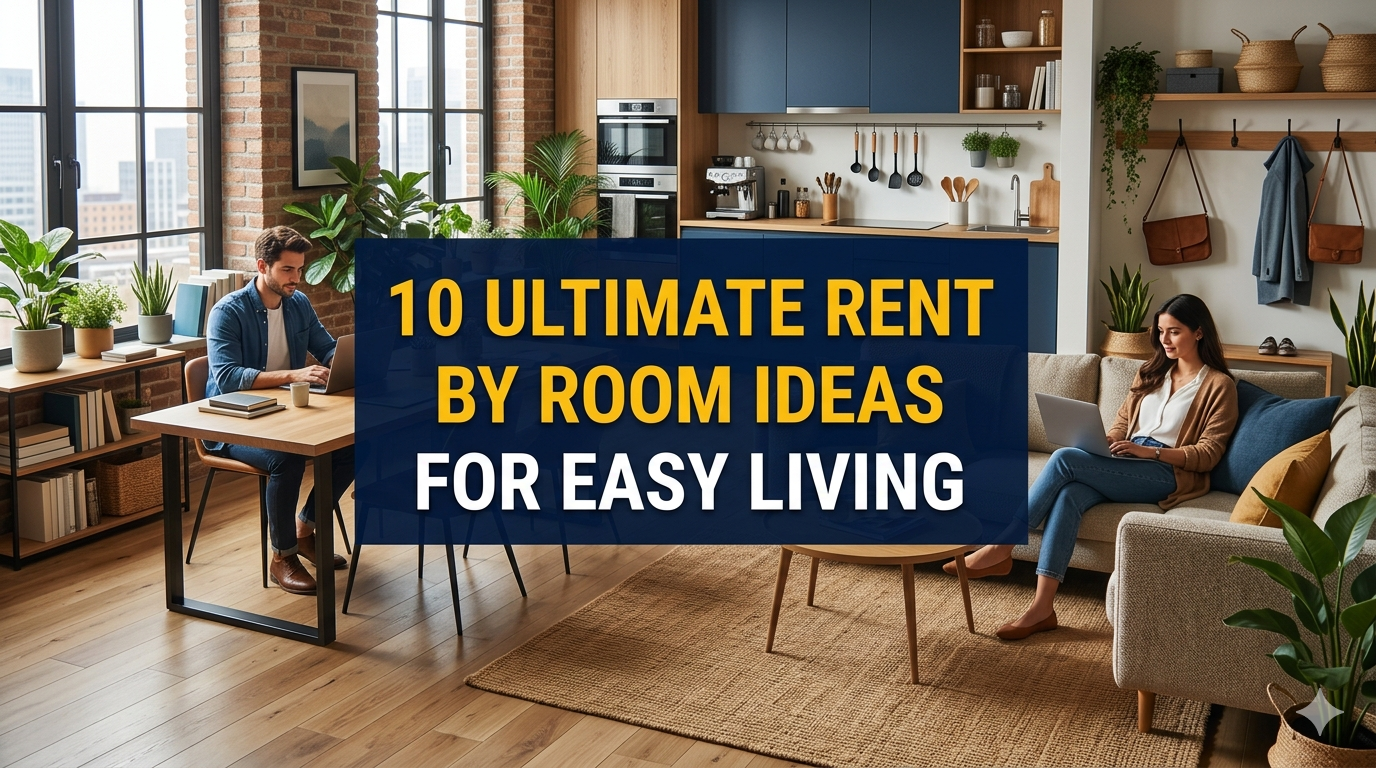
Living in a rented room setup can be one of the most practical and affordable ways to manage housing costs, especially in busy cities. But “rent by room” living is more than just splitting a house—it’s about designing comfort, fairness, privacy, and efficiency in shared environments.
Whether you are a tenant, landlord, or someone planning to rent out rooms, these 10 ultimate rent by room ideas will help make life smoother, more organized, and far less stressful.
- Smart Room Allocation Based on Lifestyle Compatibility
One of the biggest mistakes in shared living is random room assignment. Compatibility matters more than people realize.
Instead of assigning rooms randomly, categorize tenants based on lifestyle:
- Early sleepers vs night owls
- Students vs working professionals
- Social vs quiet personalities
- Remote workers vs office commuters
Table: Roommate Compatibility Matrix
| Factor | Type A | Type B | Compatibility Score |
|---|---|---|---|
| Sleep schedule | Early sleeper | Night owl | Low |
| Noise tolerance | Sensitive | Flexible | Medium |
| Work type | Remote | Office | Medium |
| Social habits | Introvert | Extrovert | Medium |
Assigning rooms with compatibility in mind reduces conflict by up to 60–70% in shared living environments.
- Clearly Defined Rent Split System
Unclear rent distribution is one of the top causes of disputes in shared rentals. A fair system must be transparent.
Common rent splitting methods:
- Equal split (simplest but not always fair)
- Room size-based split
- Amenity-based split (balcony, attached bathroom, view)
- Hybrid model
Example:
| Room Type | Features | Rent % |
|---|---|---|
| Master Bedroom | Attached bath, balcony | 40% |
| Medium Room | Window, medium space | 35% |
| Small Room | Basic setup | 25% |
This ensures fairness and avoids long-term resentment.
- Personal Space Zoning Strategy
Even in shared rooms, personal space is essential.
Create zones:
- Sleep zone (bed area)
- Work/study zone
- Storage zone
- Shared circulation space
Simple layout idea:
Room Layout Concept:
- Bed → Corner zone (privacy focus)
- Desk → Near window (natural light)
- Storage → Vertical shelves
- Shared space → Center clear area
This zoning improves productivity and mental comfort significantly.
- Shared Expense Tracking System
Money disagreements often ruin shared living arrangements. A tracking system is essential.
You can use:
- Shared Google Sheets
- Expense apps
- Monthly bill splitting apps
Table: Monthly Shared Expenses Example
| Expense Type | Amount | Split Method |
|---|---|---|
| Electricity | $60 | Equal split |
| Internet | $30 | Equal split |
| Cleaning supplies | $20 | Usage-based |
| Water | $25 | Equal split |
Having clarity reduces conflict and builds trust among roommates.
- Noise and Privacy Rules Framework
Noise control is one of the biggest shared living issues.
Set clear expectations:
- Quiet hours (e.g., 10 PM – 7 AM)
- Headphone usage for entertainment
- Call zones for private conversations
- Visitor time limits
Noise Impact Chart:
| Activity | Noise Level | Acceptable Time |
|---|---|---|
| Phone calls | Medium | Daytime |
| Music | High | Limited hours |
| Gaming | High | Headphones required |
| Cleaning | Medium | Anytime |
A structured rule system helps prevent daily friction.
- Rotational Cleaning Schedule
Cleanliness is a shared responsibility, not an individual burden.
Instead of informal cleaning, use a rotation system:
Example Weekly Rotation:
| Day | Person Responsible | Task |
|---|---|---|
| Monday | Tenant A | Kitchen |
| Tuesday | Tenant B | Bathroom |
| Wednesday | Tenant C | Common area |
| Thursday | Tenant A | Trash disposal |
Benefits:
- Prevents resentment
- Maintains hygiene
- Builds accountability
- Smart Storage Sharing System
Storage conflicts are common in rent-by-room setups.
Solutions include:
- Assigned shelves
- Labeling systems
- Shared vs personal storage division
Storage Breakdown:
| Storage Type | Usage |
|---|---|
| Personal drawer | Clothing, valuables |
| Shared kitchen shelf | Cooking essentials |
| Bathroom cabinet | Shared toiletries |
| Utility closet | Cleaning supplies |
Clear storage boundaries prevent daily irritation.
- Visitor Management Policy
Visitors can easily disrupt shared living harmony if not managed properly.
Create simple rules:
- Maximum number of visitors
- Visiting hours
- Overnight stay approval system
- Shared consent requirement
Visitor Policy Table:
| Rule | Standard |
|---|---|
| Visiting hours | 10 AM – 9 PM |
| Overnight guests | 1–2 nights max |
| Approval | 24-hour notice |
| Frequency | Max 2 visits/week |
This keeps balance between freedom and privacy.
- Utility Usage Optimization Plan
Electricity, water, and gas usage can quickly become a conflict point.
Smart management ideas:
- Energy-efficient appliances
- Usage monitoring
- Shared responsibility chart
Utility Consumption Example:
| Utility | High Usage Habit | Savings Tip |
|---|---|---|
| Electricity | AC overuse | Timer settings |
| Water | Long showers | Limit timing |
| Gas | Frequent cooking | Batch cooking |
Small habits can reduce total bills by 20–30%.
- Conflict Resolution System
Even in the best arrangements, conflicts will happen. The key is structure.
Create a resolution process:
Step 1: Direct discussion
Step 2: Group meeting
Step 3: Written agreement
Step 4: Mediator (if needed)
Conflict Resolution Flow:
Issue → Discussion → Agreement → Documentation → Follow-up
Rules for fairness:
- No interrupting during discussion
- Focus on issue, not person
- Keep records for repeated issues
A structured system prevents emotional escalation.
Final Thoughts
Rent-by-room living is not just about sharing space—it’s about building a mini-community that functions smoothly through structure, respect, and communication. When systems are clear, people naturally behave more responsibly.
The key takeaway is simple: structure prevents stress.
When expectations are written, shared, and agreed upon, daily life becomes easier, more predictable, and far more comfortable for everyone involved.
FAQs
- What is rent by room living?
It is a housing setup where tenants rent individual rooms in a shared property instead of renting the whole unit. - How is rent usually divided in room rentals?
It can be divided equally, by room size, or based on amenities like attached bathrooms or balconies. - What is the biggest issue in shared room rentals?
Most conflicts arise from unclear rules around money, cleanliness, and noise. - How can roommates avoid conflicts?
By setting clear rules, using written agreements, and maintaining open communication. - Is shared room renting cheaper?
Yes, it is generally more affordable than renting an entire apartment alone. - What is the best way to manage shared expenses?
Using tracking apps or shared spreadsheets ensures transparency and fairness.