
I still remember the sinking feeling when I signed my first rental agreement as a college student. I was so excited about moving out, living independently, that I completely overlooked the fine print. Within two months, I was eating instant noodles five days a week just to make rent. Not my proudest moment.
If you’re a student trying to figure out the whole renting thing without completely draining your bank account, you’re in the right place. These aren’t theoretical tips I read somewhere — they’re things I either did myself or watched my roommates figure out the hard way.
1. Stop Renting Alone — Shared Rooms Are a Game Changer
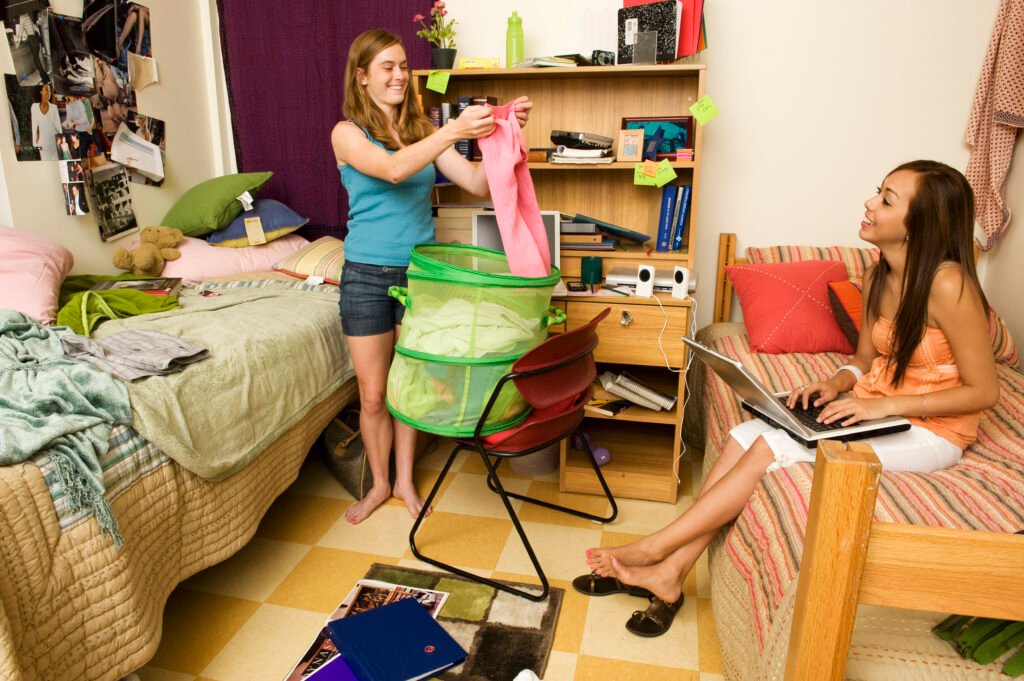
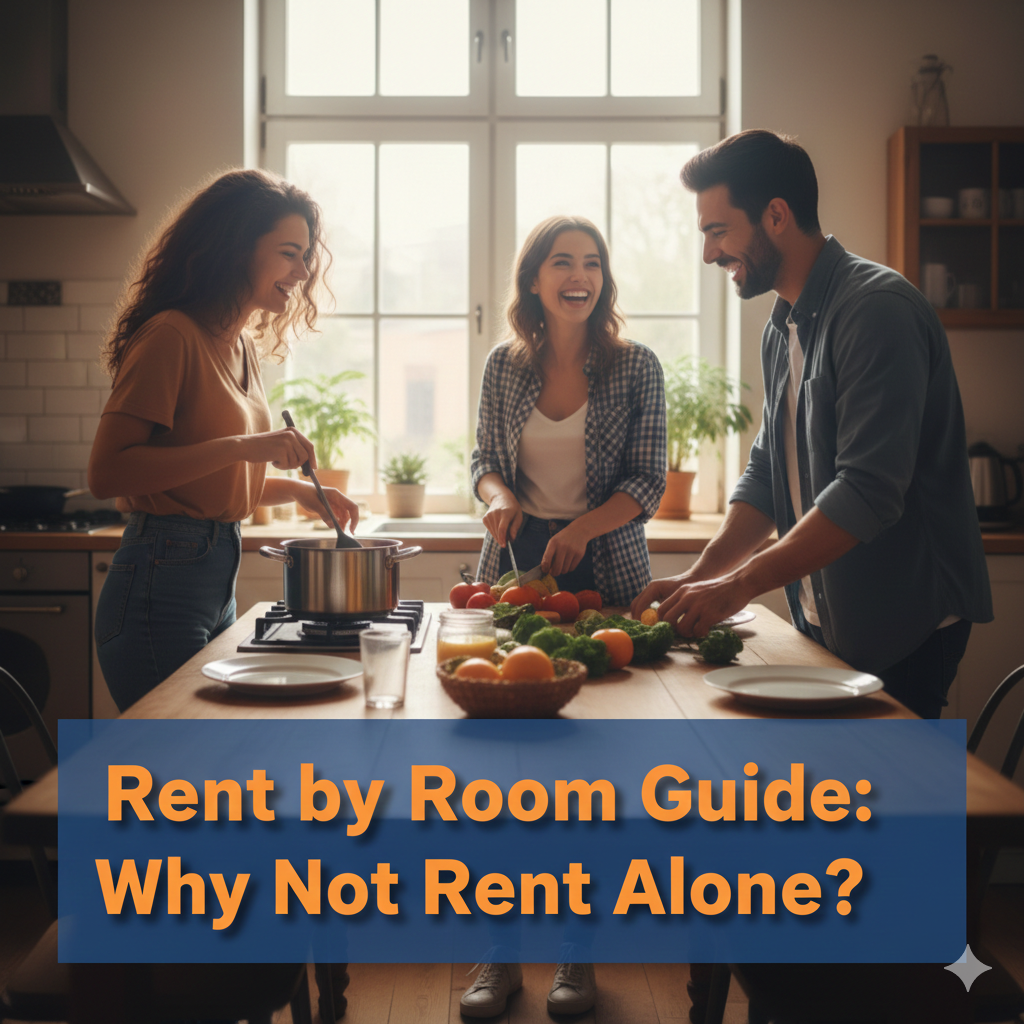
Here’s the thing nobody tells you when you first move out: solo renting as a student is almost always a financial trap. You’re paying for an entire space when you’re barely even home between classes, part-time jobs, and a social life.
Switching to a rent-by-room setup genuinely changed how much money I had left at the end of each month. Instead of paying $900 for a studio, I was paying $420 for a decent room in a shared house. That’s nearly $500 freed up — every single month.
How to make shared renting work:
- Use apps like SpareRoom, Roomies, or Facebook Groups specific to your city or university
- Filter listings by your university’s distance — anything within 30 minutes of campus by transit is fair game
- Look for houses where utilities are already included in rent — this kills budget surprises
Quick comparison of renting options for students:
| Renting Type | Average Monthly Cost | Privacy | Flexibility |
|---|---|---|---|
| Solo Studio | $800–$1,200 | High | Low |
| Shared House (per room) | $350–$550 | Medium | Medium |
| University Dorms | $400–$700 | Low | High |
| Basement Suite | $500–$750 | Medium-High | Low |
The shared house column wins almost every time for pure affordability. The key is choosing the right roommates — more on that in a second.
2. Learn to Spot a Good Deal Before Anybody Else Does
Fast movers win in the rental market. I learned this after losing a perfect room three times in one month because I was “thinking it over.” By the time I replied, the room was gone.
The rental market for students is genuinely competitive, especially around August and September when everyone’s scrambling. Here’s the system I eventually developed:
Step 1: Set up alerts on Craigslist, Zumper, and Apartments.com with your exact filters (budget, distance, room type)
Step 2: Check listings every morning before 9 AM — new listings go up early and get snapped up fast
Step 3: Have your documents ready before you find a room (ID, proof of enrollment, references). Landlords love a prepared tenant
Step 4: Message within the first hour of a listing going live. Your first message matters — keep it short, professional, and mention you’re a student with a steady income or guarantor
Step 5: Visit the same day if possible. Don’t schedule for three days later
Using this system, I found my best room in under 24 hours. It was honestly shocking how fast things moved when I stopped overthinking it. If you want a more detailed breakdown of this process, these hacks for finding rooms quickly are worth reading through.
3. Negotiate the Rent — Yes, You Can Actually Do This

I used to assume rent was a fixed number. Like, the landlord posts $650/month and that’s just… it. That belief cost me real money.
Turns out, many landlords — especially private ones renting out rooms in their own house — have some wiggle room. They’d rather fill the room quickly at a slightly lower rate than have it empty for six weeks.
What’s actually negotiable (and how to bring it up):
- Monthly rent: Even $30–$50 off per month is $360–$600/year saved
- Move-in date: If you can be flexible, landlords sometimes give a small discount
- Included utilities: Ask if internet or electricity can be bundled in
- Lease length: Longer leases sometimes unlock lower monthly rates
Script that worked for me:
“I really like the room and I’m ready to move in quickly. My budget is tight as a student — is there any flexibility on the monthly price if I sign a 6-month lease?”
That’s it. Simple, honest, non-aggressive. About 40% of landlords I said this to came back with at least some kind of offer.
One mistake? Negotiating via text before you’ve even seen the room. Always visit first, build a little rapport, then bring up price.
4. Use the Right Platforms (Most Students Are Using the Wrong Ones)
When I first started searching, I went straight to the big generic sites. I wasted two weeks scrolling through listings that were wildly out of my budget or suspiciously scammy.
Here’s what actually works for students specifically:
Best platforms by category:
| Platform | Best For | Cost |
|---|---|---|
| SpareRoom | Shared rooms, roommate matching | Free (basic) |
| Facebook Marketplace | Local, fast responses | Free |
| Zumper | Verified listings, good filters | Free |
| University Housing Board | On-campus community only | Free |
| Craigslist | Budget options, high scam risk | Free |
| Roomies.com | Lifestyle-matched roommates | Free |
The university housing board is criminally underused. It’s where landlords who specifically want students post their rooms. The competition is lower because most students don’t even know it exists.
Also — check the Facebook group for your specific university program or year. Someone’s always subletting or looking for a replacement tenant, which means shorter leases and sometimes cheaper rent.
Common Mistakes Students Make When Renting (That I Made Too)
Before we go further, let’s talk about what not to do:
❌ Paying a deposit without a signed agreement — I did this once. The landlord kept $200 of my deposit for “cleaning fees” that were never mentioned
❌ Not inspecting the room properly — Check for mold, test the hot water, look at the window seals. These things matter at 2 AM in winter
❌ Ignoring the lease terms about guests and noise — Read the lease. Seriously. Read it
❌ Choosing a room based only on price — A cheap room far from campus sounds great until you’re spending $150/month on transit
❌ Not meeting roommates before signing — This is a huge one. Chemistry matters in shared living
5. Cut the Hidden Costs That Nobody Warns You About
The rent number is just the starting point. What kills most student budgets are the costs around rent that nobody mentions when you’re touring the place.
Here’s what I wish someone had told me:
Internet: Don’t assume it’s included. Ask specifically. If not, budget $40–$60/month and split it with roommates.
Laundry: Coin laundry adds up. I was spending $35/month on laundry. Found a room with in-unit laundry and it changed my life.
Transit vs. walking distance: A room that’s $80 cheaper per month but adds $120 in monthly transit costs is actually worse. Do the math before signing.
Renter’s insurance: This costs about $10–$15/month and covers theft, damage, and more. Most students skip it. Don’t.
Utilities variance: In older buildings, heating bills can spike by $80–$120 in winter. Ask to see the last 12 months of utility bills.
Here’s a real breakdown of what my “affordable $420/month room” actually cost me month one:
| Expense | Cost |
|---|---|
| Rent | $420 |
| Internet (my share) | $22 |
| Electricity (my share) | $35 |
| Laundry | $30 |
| Transit (not walkable) | $90 |
| Renter’s insurance | $12 |
| Total | $609/month |
Not $420. $609. That’s a big difference when you’re budgeting on a student income.
The good news? Once I knew what to look for, I found a room that was $475/month but included everything except renter’s insurance. My total landed at around $487. Way better.
If you want to go even deeper on cutting down monthly costs, these budget-saving strategies break things down really clearly.
One More Thing: Protect Yourself from Scams
This deserves a mention because it happens more than you’d think. When you’re desperate for affordable housing, it’s easy to get caught off guard.
Red flags I’ve seen personally:
- Landlord can’t meet you in person (“I’m traveling right now”)
- Price is significantly below market rate for the area
- Asks for deposit via wire transfer or gift cards
- No lease agreement offered
- Photos look too perfect or don’t match the address on Google Street View
Always verify your landlord before handing over any money. A quick search of their name, cross-referencing the property address on public records, and insisting on an in-person visit will filter out 95% of scams.
Final Thoughts
Renting as a student doesn’t have to feel like a constant financial headache. The biggest shift for me wasn’t finding a cheaper room — it was understanding the full picture of what I was paying for and making smarter decisions before I signed anything.
Start with shared living, move fast on good listings, negotiate without fear, and always — always — read the lease and inspect every corner of the place before you commit.
Your future self (the one who actually has money left over after rent) will thank you.