
Let me be honest with you — two years ago, I was handing over almost 60% of my paycheck to my landlord every single month. That’s not a typo. More than half my income, gone before I could even think about groceries, transport, or anything resembling a social life.
I wasn’t living in some luxury penthouse either. It was a decent-sized room in a shared flat, nothing fancy. But the rent kept creeping up, and I kept telling myself, “This is just how it is in the city.”
Spoiler: it’s not.
After hitting a breaking point — I literally had to skip a friend’s birthday dinner because I was that broke — I decided to get serious about figuring out how to actually cut my rent costs without moving to the middle of nowhere. What followed was months of trial, error, some embarrassing mistakes, and eventually, a system that saved me around $400–$600 a month consistently.
Here’s everything I learned, broken down into seven tips that genuinely worked.
1. Stop Renting a Full Apartment When a Room Will Do
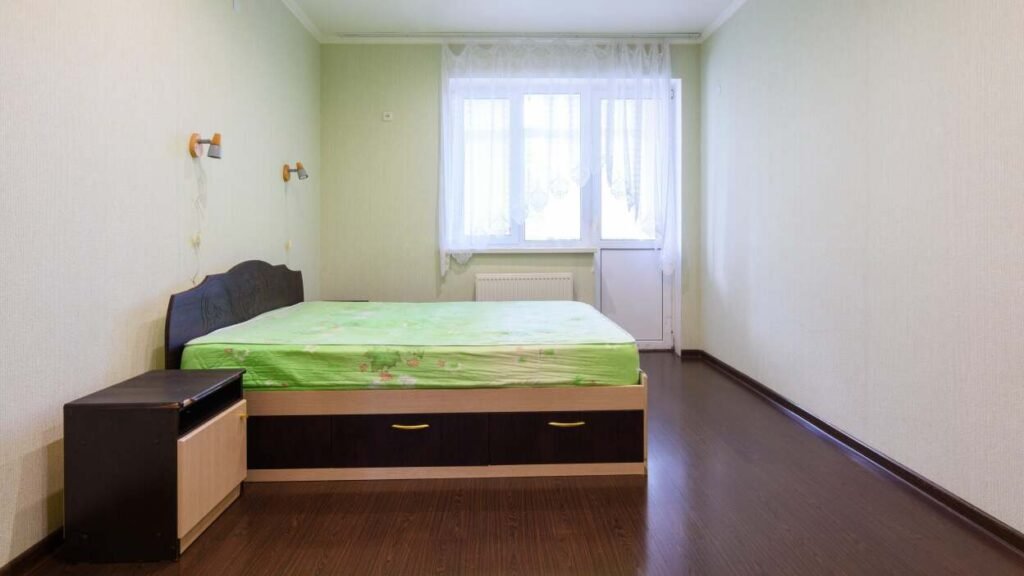
This was the biggest mental shift for me. I had this idea in my head that renting a full apartment was more “adult” or somehow better. What it actually was — expensive.
When I switched to rent-by-room living, my monthly housing cost dropped by nearly 40% overnight. Same neighborhood. Better kitchen (shared, but bigger). Even a backyard I never had before.
The math is pretty simple when you lay it out:
| Housing Type | Average Monthly Cost | What You Get |
|---|---|---|
| Studio Apartment | $1,400–$1,800 | 1 room, private everything |
| 1BR Apartment | $1,600–$2,200 | More space, still solo costs |
| Rent-by-Room (shared) | $600–$950 | Private room, shared common areas |
That difference — $600 to $800 a month — is genuinely life-changing when you’re on a budget. It’s a vacation fund. It’s paying off debt. It’s not stressing every time your phone bill comes in.
If you haven’t explored the rent-by-room model yet, I’d really recommend checking out 10 Rent by Room Guide Hacks That Will Make Finding Rooms Quick — it helped me understand how to actually navigate this style of renting without getting overwhelmed.
2. Negotiate Your Rent Before You Sign Anything

Here’s something nobody told me when I first started renting: rent prices are often negotiable, especially in slower rental markets or if a room has been listed for more than two or three weeks.
Landlords hate vacancy. An empty room earns them nothing. That’s your leverage.
When I found a room I liked, instead of jumping straight to “yes, I’ll take it,” I started doing this:
Step 1: Look up how long the listing has been active (most platforms show this).
Step 2: Research comparable rooms in the area — SpareRoom, Craigslist, Facebook Marketplace, Zillow — and screenshot the cheaper ones.
Step 3: Come in politely. Say something like: “I really like the place, and I’m ready to move in quickly. I noticed similar rooms nearby are listed around $X — is there any flexibility on price?”
Step 4: Offer something in return. Longer lease commitment, early payment, or agreeing to handle minor maintenance yourself — these all sweeten the deal for the landlord.
I got $75 off my monthly rent using this exact approach. It took a five-minute conversation. I was nervous the first time, but the landlord actually respected that I came prepared.
The worst they can say is no. And if they say no aggressively or make you feel bad for asking — that’s actually useful information about what kind of landlord they’ll be.
3. Choose Location Strategically (Not Just by Price)
This one’s a bit counterintuitive. I used to filter listings by lowest price first, which often landed me in places that looked cheap but ended up costing more overall.
Here’s what I mean:
I once rented a room that was $120 cheaper per month than my next option. Great, right? Except it was so far from public transport that I was spending an extra $90 a month on rideshares and an extra 90 minutes every day commuting. Plus the area had no decent grocery options, so I was ordering food more than I should.
That “cheap” room was actually costing me more.
Now I calculate total cost of living, not just rent:
| Factor | Cheap Room Far Out | Pricier Room Near Transit |
|---|---|---|
| Monthly Rent | $700 | $820 |
| Transport Added Cost | +$90 | $0 |
| Food/Convenience Premium | +$60 | +$10 |
| Real Monthly Cost | $850 | $830 |
The more expensive room was actually cheaper. Lesson learned the hard way.
Look for rooms within walking distance or a short bus/metro ride from where you spend most of your time. 7 Easy Rent by Room Guide Tips to Rent Near Public Transport breaks this down really well if you want a deeper dive.
4. Find Roommates You’re Actually Compatible With
Bad roommates cost money. Full stop.
I had a roommate once who would crank the heating to 80°F every night, leave lights on in every room, and run the dishwasher half-empty daily. Our utility bills were insane. When I finally moved into a place with two more mindful roommates, our per-person utility cost dropped by about $40 a month — and that’s a conservative estimate.
Beyond utilities, incompatible roommates create stress, conflict, and sometimes even lead to people breaking leases early (which is expensive and stressful).
Before moving in with anyone, I now always:
- Have a real conversation about daily habits (sleep schedule, guests, cleanliness)
- Discuss utility usage expectations openly
- Talk about how bills will be split (apps like Splitwise make this so much easier)
- Do a quick social media check — not in a creepy way, just to get a general sense of who they are
This isn’t paranoia. It’s just being sensible. The right roommates can make a shared space genuinely enjoyable and keep your costs predictable.
5. Use Multiple Platforms — Don’t Just Stick to One
When I first started looking for affordable rooms, I only used one or two apps. Big mistake.
The best deals often don’t make it onto the most popular platforms, or they get snatched up before you even see them. Here’s what I use now, and what each one is good for:
| Platform | Best For | Cost |
|---|---|---|
| SpareRoom | Room shares, long-term | Free (basic) |
| Facebook Marketplace | Local landlords, no fees | Free |
| Craigslist | Budget options, quick turnaround | Free |
| Zillow / Trulia | Verified listings, more detail | Free |
| Hotpads | City-specific searches | Free |
| PadMapper | Map-based browsing | Free |
I set up alerts on at least three of these simultaneously for my target area. The moment a listing hits my criteria — price range, location, room type — I get notified and can respond within minutes.
Speed matters. Affordable rooms in good areas disappear fast. Being the first to respond (with a complete, professional message) gives you a real advantage.
Also — don’t sleep on Facebook community groups for your city. Some of the best deals I’ve found came from local housing groups where private landlords post before going through any official listing service.
6. Watch Out for Hidden Costs in the Rental Agreement
This one hurt me personally, so I want to be specific.
I signed a lease once without reading the utility clause properly. Turns out “utilities included” in that listing only meant water. Electricity, gas, and internet were all separate — adding up to nearly $160 extra per month. I felt stupid, but honestly, it’s an incredibly common trap.
Before signing anything, here’s my checklist now:
Costs to always clarify in writing:
- ✅ Are utilities included? Which ones exactly?
- ✅ Is there a parking fee?
- ✅ Is internet included or separate?
- ✅ What’s the deposit amount and under what conditions is it returned?
- ✅ Are there move-in or admin fees?
- ✅ What are the penalties for breaking the lease early?
- ✅ Is laundry in-unit, shared, or coin-operated?
One thing I now always do: ask the previous tenant (if possible) what their average monthly cost was — all-in. That number tells you more than any listing description.
If you want to avoid getting caught out, 4 Things to Check Before Paying Deposit on Rent by Room is genuinely worth reading before you hand over any money.
7. Time Your Move Strategically
Most people don’t think about when they’re looking for a room — they just search when they need to move. But timing actually makes a significant difference in what you’ll find and at what price.
Here’s what I’ve noticed over several moves:
Best times to find affordable rooms:
- January–February: Post-holiday slump. Fewer renters searching, more landlords desperate to fill vacancies. Prices often dip.
- September–October (outside college towns): Summer rush is over, new listings hit the market.
- Mid-month listings: Landlords who list mid-month are often more motivated — they’ve already lost half a month’s income on a vacancy.
Worst times (prices spike, competition is fierce):
- May through August (summer moves, college students)
- First days of the month
- Any time near a major local employer’s hiring season
I once saved $90/month simply by waiting three weeks to sign a new lease. The landlord had already listed the room twice with no takers, and by the time I came along, they were happy to negotiate.
Patience, when you can afford it, is one of the most underrated money-saving tools in renting.
Common Mistakes I Made (So You Don’t Have To)
Before I wrap up, here are the errors that cost me real money along the way:
Mistake #1: Moving in with someone I’d only chatted with online. Always meet in person (or video call at minimum) before committing. Personality on a screen and personality in real life can be very different.
Mistake #2: Ignoring the neighborhood vibe. I rented a cheap room in an area that turned out to have constant noise issues — a bar right downstairs. My sleep suffered, my productivity suffered, and I ended up breaking the lease, which cost me my deposit.
Mistake #3: Not keeping records. I once lost my full deposit over a damage dispute where I couldn’t prove the damage was pre-existing. Now I photograph and video every inch of a room before I unpack a single thing. Timestamp those photos. Email them to yourself so there’s a date record.
Mistake #4: Assuming verbal agreements count. They don’t. Get everything in writing. Every agreement about rent, maintenance, guests, parking — all of it. A WhatsApp message at minimum.
What the Numbers Look Like After Implementing All 7 Tips
Just to show you this isn’t theoretical, here’s a rough breakdown of what my monthly housing costs looked like before and after applying these strategies:
| Expense | Before | After |
|---|---|---|
| Base Rent | $1,350 | $780 |
| Utilities | $160 | $55 (shared split) |
| Transport | $90 (due to location) | $20 (walking distance) |
| Hidden Fees | $40/mo average | $0 |
| Total Monthly | $1,640 | $855 |
That’s a difference of $785 a month. Nearly $9,400 a year.
I’m not telling you to expect those exact numbers — everyone’s city and situation is different. But the principles work. The savings are real.
Final Thoughts
Renting smart isn’t about cutting corners or living in a place you hate. It’s about being deliberate — knowing what you’re paying for, understanding where you have leverage, and not just accepting the first number someone throws at you.
The biggest shift for me was realizing that landlords set asking prices, not final prices. And that finding the right room is a skill, not just luck.
Start with one or two of these tips if the whole list feels overwhelming. Even just negotiating your rent or switching to a platform you haven’t tried yet can make a meaningful difference.
Your money should work for you, not just disappear every month into someone else’s pocket.