

I still remember the week my roommate and I stopped talking over a half-empty bottle of dish soap.
Sounds ridiculous, right? But that’s exactly how it goes when two people are sharing a space without any ground rules. It wasn’t really about the dish soap. It was about weeks of small frustrations piling up — who bought the last roll of toilet paper, who left the lights on, whose turn it was to wipe down the stove. One day it just… exploded over dish soap.
If you’ve ever shared a room or a flat with someone, you probably know this feeling. Living with another person — whether it’s a stranger, a friend, or even a sibling — is genuinely one of the most underrated life skills nobody teaches you. You figure it out through trial and error, mostly error.
After living in shared rooms in three different cities and surviving (barely) four different roommate situations, I’ve learned what actually works. Not the Pinterest-perfect advice like “communicate openly!” — real stuff you can use on a Tuesday night when someone’s being passive-aggressive about the thermostat.
Here are five tips that genuinely helped me avoid daily arguments in a shared living situation.
1. Set the Rules on Day One — Not Day Thirty
The biggest mistake I made in my first shared room was assuming we’d figure things out naturally. “We’re adults,” I thought. “It’ll sort itself out.”
It did not sort itself out.
By week three, there was an unspoken war over the bathroom schedule, and neither of us wanted to be the one to bring it up first because it felt awkward. The awkwardness was way worse than the conversation would’ve been.
What I do now — and what I’d tell anyone moving into a shared room — is have a quick, casual chat on the very first day. Not a formal meeting with an agenda. Just a relaxed conversation over chai or while you’re both unpacking. Cover the basics:
- Sleep schedules: Are you an early bird? A night owl? This matters more than people think.
- Guests and visitors: Can people come over freely, or is it heads-up only?
- Cleaning rotation: Who does what, and how often?
- Noise levels: Music, calls, TV — especially at night.
- Shared groceries vs. your own stuff: This one causes more arguments than you’d expect.
You don’t need to write a legal contract. But just saying these things out loud removes so much of the guesswork. People get annoyed not because their roommate is a bad person, but because expectations didn’t match up.
If you’re still searching for the right room and the right living setup before you even get to this stage, it helps to go in prepared — check out these 10 Smart Room Sharing Tips for Rent by Room Living for a solid foundation before you sign anything.
2. Create a Simple Cleaning Schedule (And Actually Stick to It)
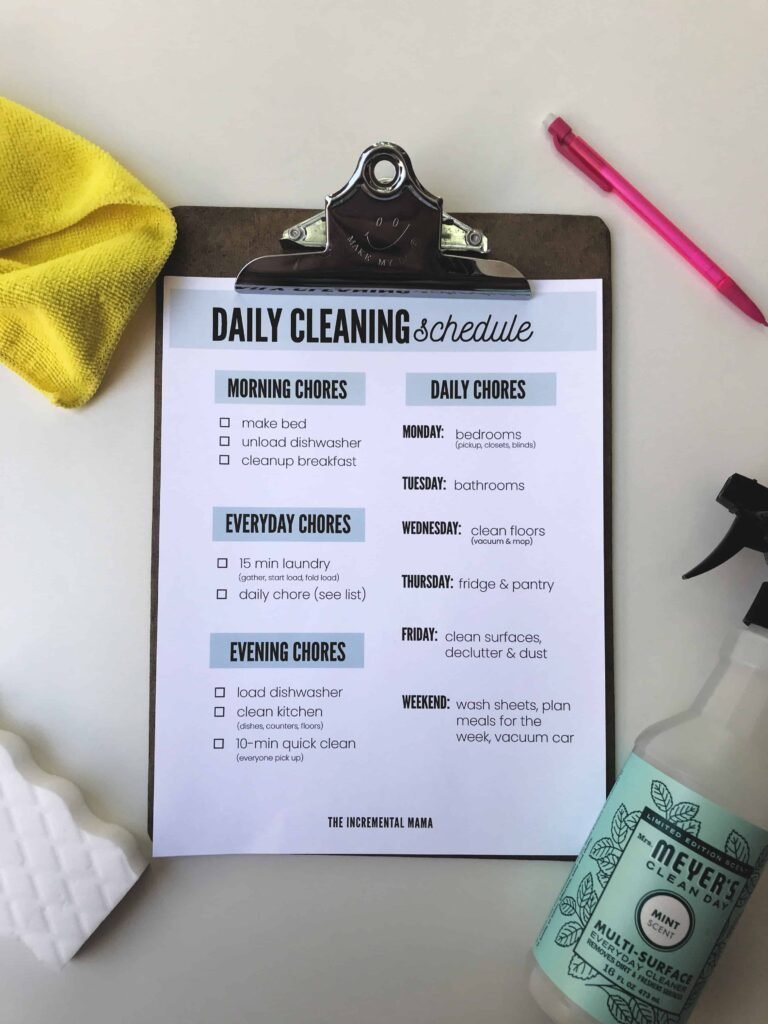
Here’s a truth nobody posts on social media: most roommate arguments are about cleanliness. Not about deep personal values or major life differences — just dishes in the sink and hair on the bathroom floor.
I used to think I wasn’t a messy person. My second roommate, Priya, had a very different definition of “not messy.” For her, a clean kitchen meant wiping the counter after every single use. For me, a clean kitchen meant there were no visible mold growths. We were not compatible in this department.
What saved us wasn’t one person changing their standards entirely. It was making a rotating schedule so neither of us felt like we were doing all the work.
Here’s roughly what ours looked like:
| Task | Who | Frequency |
|---|---|---|
| Dishes / washing up | Alternate daily | Daily |
| Sweep / vacuum floors | Person A | Monday, Thursday |
| Bathroom cleaning | Person B | Wednesday, Saturday |
| Taking out trash | Alternate weekly | Weekly |
| Wiping kitchen surfaces | Both | After cooking |
It seems almost too simple, but having it written somewhere visible — we put ours on the fridge using a notes app printed out — meant neither of us could say “I didn’t know it was my turn.” That excuse disappears when the schedule is literally on the fridge.
There are also free apps like Tody or OurHome that let roommates track shared chores and tick them off. OurHome even has a points system, which sounds childish but weirdly works.
The key isn’t perfection. Some weeks someone slips up. That’s fine. The schedule just makes it clear enough that you can gently bring it up without it becoming a big thing.
3. Handle Money Transparently — Don’t Let It Get Awkward
Splitting shared expenses is one of those things that seems easy until someone’s been quietly seething for two months because they feel like they’re always the one buying the kitchen roll.
Money conversations between roommates get weird fast. Nobody wants to seem cheap, so people stay quiet and build resentment instead. I’ve been on both sides of this — the one who kept buying shared supplies without saying anything (martyr mode) and the one who genuinely didn’t realize I wasn’t contributing equally (oblivious mode).
The fix is making it boring and automatic, not emotional.
Use a splitting app. Splitwise is the one I’ve used the longest and it’s genuinely changed how I handle shared expenses. Every time someone buys something shared — dish soap, bin bags, shared groceries — you log it. At the end of the month, it tells you who owes what. Nobody has to awkwardly bring it up because the app already knows.
A few things that helped us:
- Agree on what’s “shared” vs. “personal” upfront. Shared: cleaning supplies, toilet paper, kitchen basics. Personal: your specific snacks, your shampoo, your oat milk.
- Set a monthly kitty for shared supplies. We each put a small fixed amount into a shared pot at the start of the month and used that for household items. Whatever’s left rolls over.
- Don’t let balances build up for too long. Settle every two to four weeks. A 3,000 rupee balance feels much less awkward than a 12,000 rupee one that’s been sitting for three months.
For anyone navigating the financial side of room sharing more broadly, 7 Easy Room Sharing Hacks That Save You Money covers some clever cost-cutting angles that are easy to implement.
4. Respect Personal Space — Even in a Shared Room

This one sounds obvious but is much harder in practice, especially in smaller rooms where you’re both working, sleeping, and relaxing in the same square footage.
My third shared room was genuinely tiny. My roommate, Ahmed, worked from home most days. So did I, for a while. We were in each other’s space almost constantly, and without any intentional boundaries, it started to feel suffocating — for both of us.
What worked was creating invisible but understood zones and times.
Physical space: Even in a small room, you can designate sides. Your side of the room is yours. You don’t touch their stuff, they don’t touch yours. Simple. If you share a desk or common area, agree on how to manage overlap — maybe you take mornings, they take afternoons.
Time-based space: This one’s underrated. Agree on times when you’re both “off” from interacting. Maybe mornings before 9am are quiet time — no small talk, no questions, just your own thing. This sounds antisocial but it’s actually really respectful because it gives both people time to wake up and settle into the day without feeling “on.”
Digital space (yes, this is a thing now): If you’re both home and one person is on a work call, have a signal — headphones in means don’t disturb. A small whiteboard on the door, or even just agreeing on a code, works well.
The mistake most people make is assuming their roommate will just pick up on social cues. Some people are good at that. Many aren’t. Saying it once clearly is so much easier than months of hints that go unnoticed.
5. Deal With Problems Early — Don’t Let Small Things Snowball
This is the one I wish someone had sat me down and explained properly before I ever moved into a shared room.
Every shared living argument that blows up into a serious falling-out started as something small. Every single one. The dish soap situation I mentioned at the start? That wasn’t really about dish soap. It was about three weeks of small annoyances — lights left on, alarm going off and nobody waking up, towels left on the floor — that I hadn’t said anything about because I didn’t want to be “that person.”
By the time the dish soap thing happened, I wasn’t annoyed about dish soap. I was annoyed about everything. And it all came out at once, which is messy and unfair to both people.
The rule I follow now is what I call the “24-hour rule”: if something bothers me, I give myself 24 hours to decide if it’s actually worth raising. Most things aren’t. But if after 24 hours I’m still thinking about it, I bring it up — calmly, specifically, and without dragging in five other things.
Instead of: “You always leave the lights on and you never replace things and you’re so inconsiderate”
Try: “Hey, the bathroom light’s been left on a few nights — can we try to remember to switch it off? My electricity anxiety is real.”
Same issue. Completely different conversation.
A few things that make these conversations easier:
- Pick the right time. Not when someone just walked in from a stressful day. Not at midnight. A calm, neutral moment.
- Use “I” language. “I feel frustrated when…” lands very differently from “You always…”
- Don’t bring a list. One issue at a time. A list feels like an ambush.
- End with something positive. “I think we’re generally really good about this stuff, just wanted to flag this one thing.”
If you’re also navigating the challenge of finding safe and compatible living situations in the first place, 12 Powerful Room Sharing Rules for Peaceful Living has some really grounded advice worth reading before you even move in.
Common Mistakes That Make Shared Living Harder
Before wrapping up, here’s a quick honest look at things people do that make shared living worse without realizing it:
| Mistake | Why It Backfires |
|---|---|
| Assuming your roommate thinks like you | Everyone has different upbringings and standards |
| Venting to other people instead of talking directly | Creates drama, doesn’t solve anything |
| Going silent when annoyed | Breeds resentment fast |
| Overloading one conversation with multiple issues | Feels like an attack, shuts people down |
| Waiting for the other person to bring things up first | Both of you are waiting, nothing gets resolved |
| Being overly formal or sending text essays | A quick verbal chat is almost always better |
The Real Key Is Low Maintenance, Not Zero Conflict
Here’s the honest truth: you’re never going to find a roommate where absolutely nothing goes wrong. That’s not realistic. What you’re actually aiming for is a situation where problems are small, handled quickly, and don’t linger.
The five tips above aren’t about creating a perfect harmonious household. They’re about lowering the maintenance load so that when something does come up, it doesn’t feel like a massive deal.
Set rules early. Have a cleaning system. make money transparent. Respect space. Handle issues before they compound. Those five things, consistently applied, genuinely change the daily texture of shared living from stressful to pretty manageable.
I’ve had roommate situations I dreaded going home to, and I’ve had ones where I actually looked forward to coming back. The difference was almost always about how well we communicated the boring operational stuff — not about personality or compatibility in some deep sense.
Get the basics right, and the rest usually takes care of itself.