
I still remember the sinking feeling when I handed over two months’ deposit to someone I’d met exactly once — a guy who showed me a room through a cracked phone screen on a video call. Spoiler: it didn’t end well. The “furnished room” had a mattress that belonged in a skip and a landlord who blocked my number after day three.
That experience cost me money, time, and a lot of stress. But it also taught me more about renting safely than any guide ever could.
If you’re a new tenant — whether you’re moving to a new city for work, studying away from home, or just finally stepping out on your own — this is the stuff I wish someone had sat me down and told me before I signed anything.
1. Never Pay a Deposit Before You’ve Seen the Place in Person

This sounds obvious. But you’d be surprised how many people (including me, once) skip this step when they’re in a rush or renting from another city.
Photos lie. Angles are carefully chosen. Lighting is flattering. That “spacious” room in the listing might be 9 square feet with a window that faces a brick wall.
What to do instead:
- Always visit the property at least once before paying anything
- If you genuinely can’t visit, send a trusted friend or family member
- Ask for a live video walk-through — not pre-recorded clips
- Request photos of the bathroom, kitchen, hallway, and entrance door (not just the bedroom)
If a landlord refuses to let you see the place before paying, that’s your answer. Walk away.
2. Verify the Landlord Is Actually the Owner
One of the most common rental scams works like this: someone rents a property, then sublets it to you without the real owner’s knowledge — or even worse, they use a stolen listing from another site and pretend to be the landlord entirely.
I know someone who paid three months upfront to a “landlord” who had just photoshopped their name onto someone else’s utility bills.
Here’s how to verify:
- Ask for a government-issued ID and cross-check the name
- Request proof of ownership (title deed, or at minimum a council tax bill in their name)
- Search the property address on your local land registry (many countries offer free or cheap online checks)
- Look up the property on Google Maps and compare it to the listing photos
Taking ten minutes to verify saves you from losing hundreds. For more on this, 6 Smart Rent-By-Room Ways to Verify Landlords Fast is worth reading before you start your search.
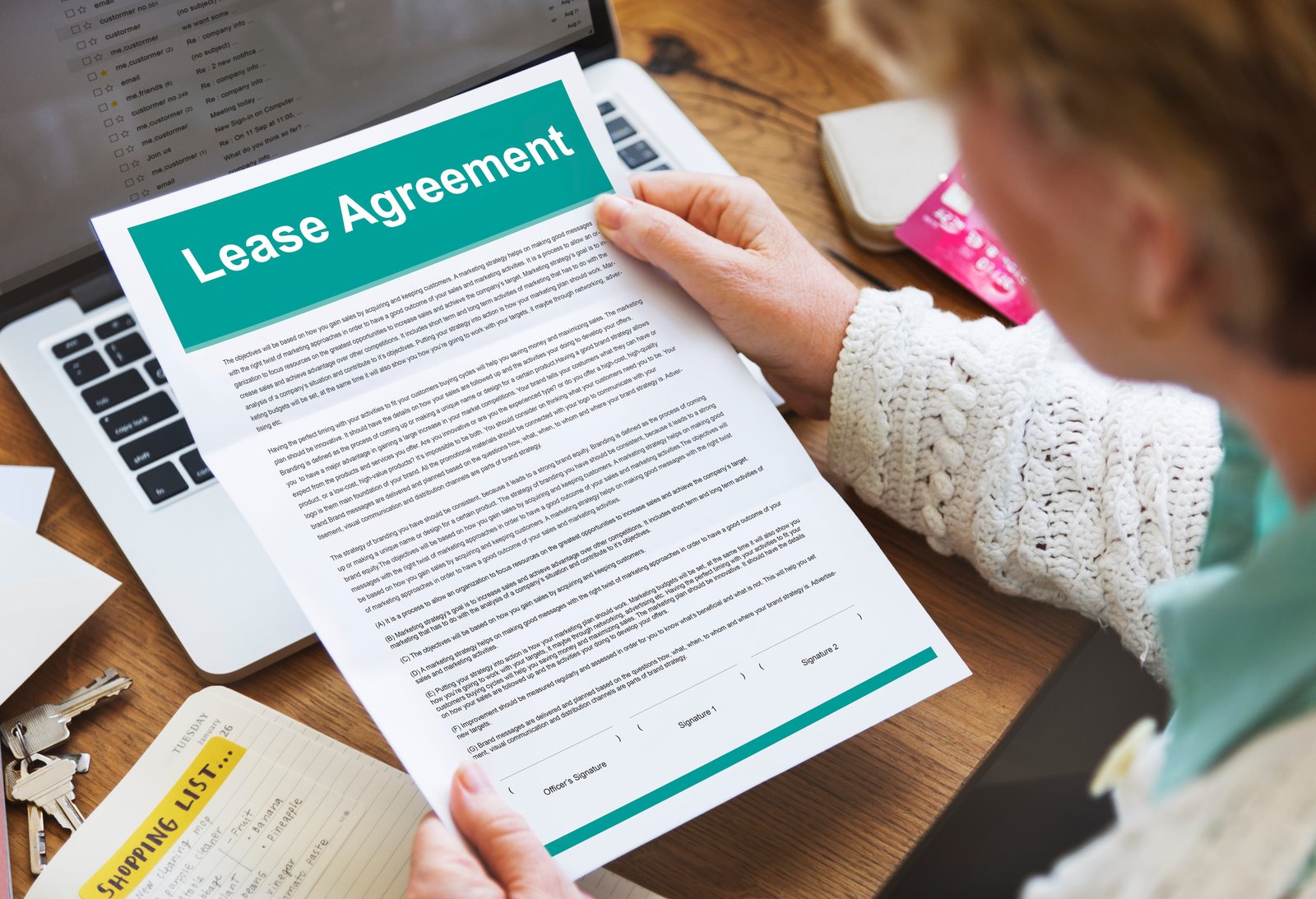
3. Read the Tenancy Agreement Word for Word

I know. Nobody wants to read four pages of dense legal text. But this is the document that controls your life for the next 6–12 months. Skipping it is like skipping the terms and conditions on a loan agreement.
Common clauses new tenants miss:
| Clause | What It Means | Why It Matters |
|---|---|---|
| Break clause | Either party can exit early under conditions | Saves you if you need to move unexpectedly |
| Deposit deductions | What the landlord can deduct at the end | Protects your money |
| Guest policy | Who can stay and for how long | Affects your daily life |
| Maintenance responsibility | Who fixes what | Saves arguments later |
| Rent increase clause | When and by how much rent can rise | Budget planning |
| Notice period | How much notice each side must give | Affects your moving plans |
If something looks off or confusing, ask a local tenants’ union, a solicitor, or even paste the clause into an AI tool and ask it to explain it in plain English. Don’t sign anything you don’t understand.
4. Document the Room’s Condition Before Moving In
This tip alone has saved me from losing deposit money twice.
The moment you get the keys — before you move a single box in — do a full walkthrough and document everything. Every scuff, stain, crack, damp patch, broken handle, dodgy light switch. All of it.
Your move-in checklist:
- Take time-stamped photos and videos of every wall, floor, and ceiling
- Photograph inside wardrobes, cupboards, under the sink
- Note down anything broken or worn in writing
- Email this documentation to your landlord the same day — so you have a paper trail
- Ask the landlord to sign a check-in inventory if one is provided
This documentation becomes your protection when you move out. Without it, your word means nothing against a landlord who claims you caused damage that was already there.
5. Understand What’s Included in the Rent
“Bills included” is one of the most misunderstood phrases in renting.
I once moved into a place where the listing said “bills included” — turns out that meant water only. Gas, electricity, and internet were all extra. My first month’s living cost was nearly double what I’d budgeted.
Always confirm:
- Which utilities are included (gas, electric, water, internet)?
- Is there a fair usage cap on bills?
- Who pays the council tax / local municipal charges?
- Is the TV licence (if relevant to your country) included?
- Are there any service charges or building maintenance fees?
Get this in writing. Don’t take a landlord’s verbal word for it.
6. Never Wire Money or Pay in Cash Without a Receipt
This is where most rental scams close the deal. Once money moves — especially via bank transfer to a personal account or, worse, through something like Western Union — it’s nearly impossible to get back.
Safer payment practices:
- Always pay by bank transfer to a named business or personal account with a matching ID
- Request a receipt for every payment, including the deposit
- Never pay in cash without a signed, dated receipt
- Avoid “admin fees” paid to third parties you haven’t verified
- If using a letting agency, confirm they’re registered with a recognised body (like ARLA in the UK, or equivalent in your country)
Here’s a quick overview of payment methods ranked by safety:
| Payment Method | Safety Level | Notes |
|---|---|---|
| Bank transfer (verified account) | ✅ High | Keep all transaction records |
| Cheque | ✅ Medium-High | Leaves paper trail |
| Cash with receipt | ⚠️ Medium | Risky, but acceptable if documented |
| Western Union / MoneyGram | ❌ Low | Almost impossible to recover if scammed |
| Cryptocurrency | ❌ Very Low | No protection whatsoever |
7. Check the Safety Features of the Property
Most new tenants focus entirely on the aesthetics — does it look nice, is there a good shower, what’s the WiFi like. Totally understandable. But safety features are something you’ll be grateful you checked when it actually matters.
Before signing, confirm:
- Smoke alarms — are they installed and working? Test them yourself
- Carbon monoxide detectors — especially important in gas-heated rooms
- Door and window locks — do they all function properly?
- Fire escape routes — can you exit quickly in an emergency?
- Gas safety certificate — landlords are legally required to provide this in many countries
- Electrical safety report — ask if one exists
If a landlord brushes off questions about safety checks, that tells you a lot about how they’ll handle other issues too.
8. Know Your Rights Before You Need Them
This one trips up first-time renters more than anything else. You move in, something goes wrong, and you have no idea what you’re actually entitled to.
Landlords count on tenants not knowing their rights. It’s how some get away with ignoring repairs for months, keeping deposits unfairly, or trying to evict you without proper notice.
Basic rights most tenants have (varies by country/region):
- Right to a safe and habitable property
- Right to have repairs done in a reasonable timeframe
- Right to 24–48 hours’ notice before a landlord enters (in most places)
- Right to a written tenancy agreement
- Right to get your deposit back within a set period after moving out
- Protection from illegal eviction
Spend 30 minutes reading the tenant rights guidance for your specific city or country. One good place to start is your local government housing website or a tenant advisory service. You can also find community forums on Reddit (like r/renting or country-specific housing subreddits) where real tenants share advice.
If you’re planning to share a space — which many first-time renters do — understanding rights in shared living is just as important. 7 Essential Rent-By-Room Tips for Safe Shared Living breaks this down in a practical way.
9. Trust Your Gut — Seriously
I’ve learned to pay attention to the small things that feel off.
The landlord who keeps changing the viewing time. The listing that seems too cheap for the area. The house that smells like damp but the landlord says “it just needs airing out.” The housemates who seem uncomfortable when you ask basic questions.
Your instincts pick up on things your rational brain tries to explain away.
Red flags to take seriously:
- Pressure to sign or pay immediately (“someone else is viewing tomorrow”)
- Reluctance to provide any paperwork before payment
- Vague answers to direct questions about bills, rules, or repairs
- Listing photos that don’t match what you see in person
- Landlord who insists on cash only with no receipt
- Too-good-to-be-true pricing in a high-demand area
None of these individually proves something is wrong. But two or three together? Trust that feeling and keep looking.
Common Mistakes New Renters Make (And How to Avoid Them)
Here’s a quick summary of the traps I see first-time tenants fall into most often:
| Mistake | Better Approach |
|---|---|
| Rushing into a decision out of desperation | Give yourself a buffer period — start searching earlier |
| Skipping the property inspection | Always visit before paying |
| Not reading the full contract | Read it, or get help understanding it |
| Forgetting to document move-in condition | Photos and email = your best protection |
| Assuming verbal promises are binding | Get everything in writing |
| Not asking about all-in costs | Clarify every expense before signing |
| Ignoring safety checks | Ask directly and inspect yourself |
Quick Visual: The Safe Renting Checklist
Before you sign anything, run through this:
✅ Pre-Move Checklist
- Visited the property in person
- Verified landlord identity
- Checked ownership or letting agency registration
- Read and understood the tenancy agreement
- Confirmed all included bills in writing
- Tested smoke and CO alarms
- Photographed and documented room condition
- Received and kept a copy of the signed contract
- Confirmed deposit protection scheme (if applicable)
- Paid via traceable method with receipt
Print this out. Seriously. You’ll thank yourself later.
Renting safely isn’t about being paranoid — it’s about being prepared. Most landlords are decent people, and most rentals work out fine. But the ones that don’t can be genuinely awful, and they tend to happen to people who skipped the basics.
The little bit of extra time you spend verifying, documenting, and asking questions before you move in is nothing compared to the stress of dealing with a bad situation after you’re already living there.
And if you want to go deeper on protecting yourself financially while renting, this guide on 12 Smart Rent-By-Room Ways to Protect Your Money has some really practical steps that go beyond the basics.