I still remember the sinking feeling I got three days after moving into my first shared flat. The hot water cut out, the landlord stopped returning calls, and I realized the “verified listing” I had found online was anything but. I had signed the lease in a rush, skipped the checks, and paid the price — literally.
If you’re about to sign a lease for a room or apartment, I genuinely want you to avoid what I went through. These five checks aren’t complicated or time-consuming. But skipping even one of them can cost you weeks of stress, money you can’t get back, and a living situation that feels like a trap.
Let’s get into it.
1. Verify the Landlord Actually Owns (or Has Rights to Rent) the Property
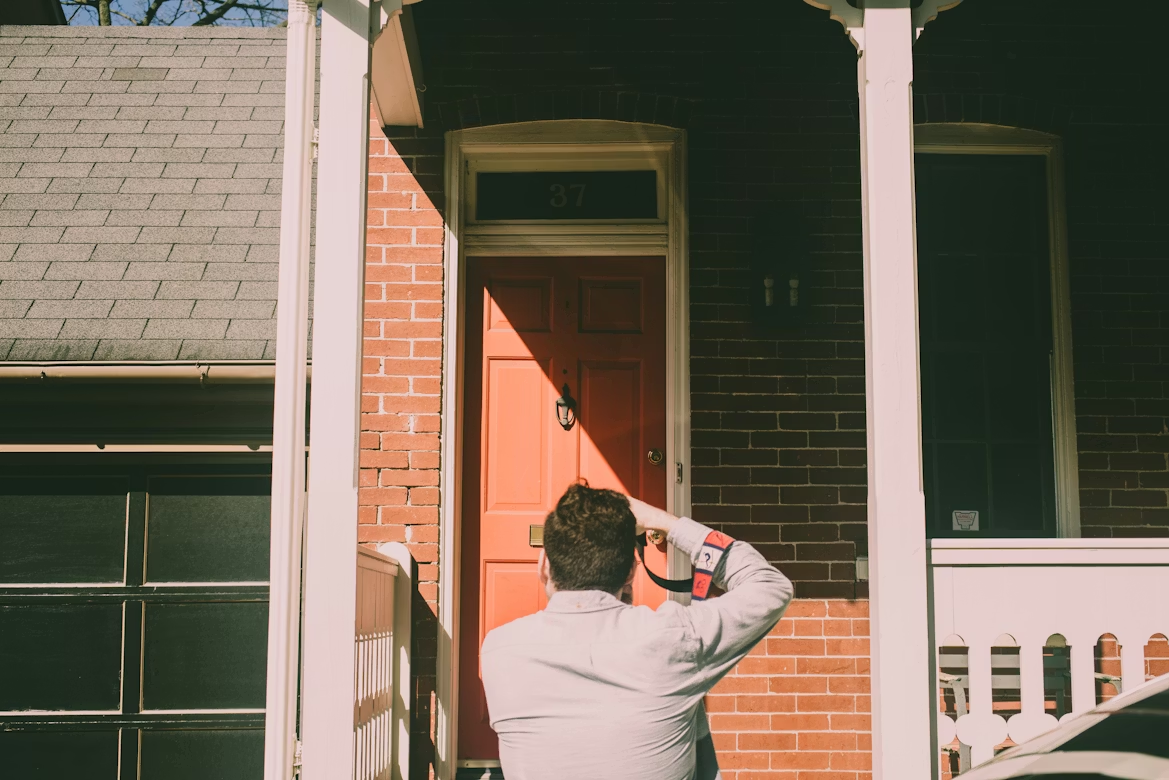
This sounds obvious, but you’d be shocked how many people skip it. Subletting scams are real — someone rents a place, then re-rents it to you without the actual owner’s knowledge. You move in, the real landlord shows up, and suddenly you’re the one getting evicted even though you did nothing wrong.
Here’s what I do now before I even consider visiting a place:
Step 1: Ask the landlord for their full name and the property address.
Step 2: Cross-check the name on the local land registry or property records. In many countries this is public. In Pakistan, you can check through the local Patwari office or use platforms like Zameen.com to verify listing history. In the UK, HM Land Registry lets you search online for a small fee. In the US, county assessor websites list property owner names for free.
Step 3: If the person you’re dealing with isn’t the registered owner, ask for written proof they’re authorized to sublet (a signed permission letter from the actual owner).
Step 4: Do a quick Google search of their name + the property address. Scammers often reuse the same photos and descriptions across multiple cities.
One thing I learned the hard way — if a landlord gets defensive or vague when you ask these questions, that’s your answer. Legitimate landlords have nothing to hide.
2. Physically Inspect the Room — Even If You’ve Seen Photos
Photos lie. This is not an opinion; it’s something every renter finds out eventually. Wide-angle lenses, bright filters, and strategically placed furniture can make a 9×9 ft box look like a cozy studio. I once showed up to a “spacious double room” that was barely large enough for the bed already in it.
Before you sign anything, insist on an in-person visit. If the landlord refuses or keeps making excuses about timing, that alone is a red flag worth taking seriously.
When you’re there, don’t just look around — actually check things:
| What to Check | What to Look For |
|---|---|
| Walls and ceiling | Damp patches, mold, peeling paint |
| Windows | Do they open/close? Is there a draft? |
| Taps and shower | Water pressure, how long hot water takes |
| Electrical sockets | Are they all working? Any burn marks? |
| Locks on doors | Is the main door secure? Can your room lock? |
| Phone signal | Walk around — dead zones matter in your bedroom |
| Wi-Fi strength | Ask for the password, test it yourself |
| Noise level | Sit quietly for a few minutes and listen |
That last one — the noise check — is something most people forget. I visited a flat at 11am on a Tuesday, loved it, signed the lease. Turns out there was a bar directly below the building. Weekends were unbearable.
Try to visit at different times of day if you can. Morning visits won’t tell you about evening noise. Evening visits won’t show you whether the commute is realistic at rush hour.
Also check communal areas if it’s a shared house — kitchen, bathrooms, hallways. These spaces reveal how the current tenants actually live. If the kitchen is a disaster zone during a scheduled viewing, imagine what it’s like when no one’s expecting you.
If you’re renting remotely or the property is in another city, ask for a live video walkthrough — not pre-recorded, live. Ask them to open cupboards, show under the sink, point the camera at the ceiling. Anyone serious about renting to you will do this without complaint. For more on spotting issues before you commit, these 10 easy ways to check room legitimacy are worth a read.
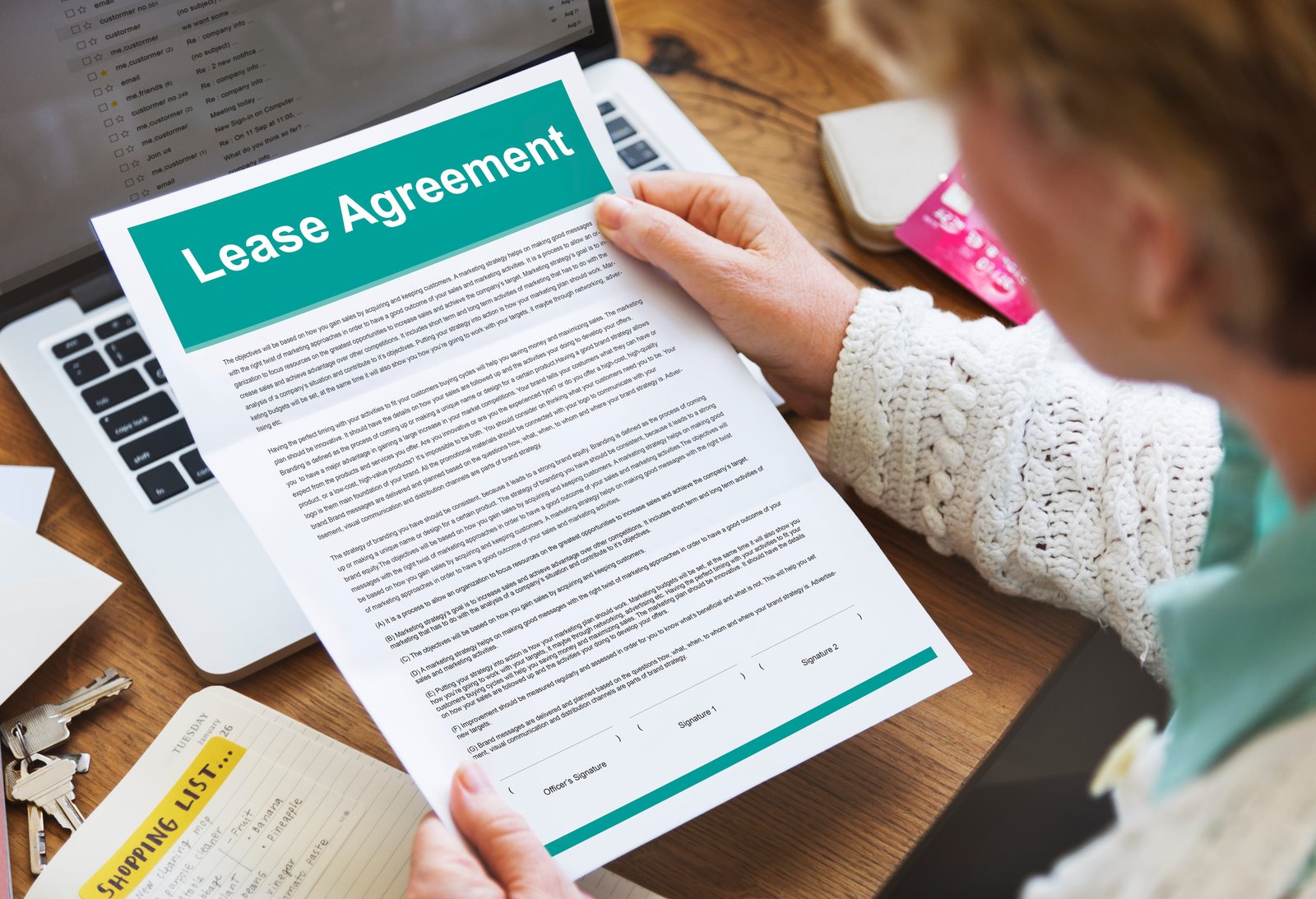
3. Read the Lease Agreement Like Your Money Depends on It (Because It Does)
Most people skim the lease, sign it, and file it away. Then three months later something goes wrong and they realize they agreed to terms they never actually read.
A lease isn’t just paperwork — it’s a legal document that can bind you to paying rent even after you’ve moved out, prevent you from having guests overnight, or let a landlord enter your room whenever they feel like it.
Here’s what you should specifically look for:
Notice period: How much notice do you need to give before leaving? And how much notice does the landlord need to give you? Anything less than 30 days notice either way should make you pause.
Deposit terms: How much is it, what can it be used for, and — critically — how long does the landlord have to return it after you leave? Some leases bury a 60-day return window in the fine print.
Break clauses: Can you leave early if you need to? Under what conditions? Some leases lock you in with no exit unless you find a replacement tenant yourself.
Bills and utilities: Is anything included? Don’t assume. I once assumed internet was included because “all bills included” was in the listing. The lease said otherwise, and the listing didn’t matter legally.
Subletting rules: Can you have someone stay over? For how long? Some shared houses have strict rules about overnight guests.
Landlord access: The lease should say the landlord must give reasonable notice (24-48 hours minimum) before entering. If it doesn’t say this, ask for it to be added.
If anything in the lease is unclear, ask. If the landlord won’t explain it or gets irritated by questions, take that seriously. And if you’re signing something for a large sum, spending a small fee on a quick legal review is genuinely worth it — some tenant rights services offer this for free.
4. Check for Previous Tenant Reviews or References — Then Verify Them

Landlords ask for references from tenants. Most renters never think to ask for references about the landlord. But you absolutely should.
A good landlord — one who fixes things quickly, respects your space, and doesn’t disappear when problems arise — makes all the difference in your day-to-day quality of life. A difficult landlord makes even a beautiful flat miserable.
Here’s how to actually get useful information:
Ask to speak with current or previous tenants. Any landlord with nothing to hide will either connect you with a current tenant or tell you why they can’t (and the reason will make sense). If they refuse outright, be cautious.
Check the address on review platforms. Sites like Marks Out Of Tenancy (UK), ApartmentRatings (US), or even Google Maps sometimes have reviews of specific buildings or landlords. Search the exact address.
Search Facebook Groups for the local area. Type the landlord’s name or the property address into search. Tenant communities often warn each other about specific landlords, especially in university towns or dense urban areas.
Look for patterns, not perfection. No landlord is going to have zero complaints ever. What you’re looking for is patterns — multiple people saying the same thing about deposits not returned, maintenance ignored, or unexpected charges.
One time I found a Facebook group for a specific apartment building I was about to move into. Three separate people had posted about the same landlord holding deposits for months past the legal deadline. I walked away from that one. For more on this, these 6 smart ways to verify landlords fast go deeper into the research process.
5. Confirm Your Deposit Is Protected — Before You Pay It
This is the one check that most people only learn about after they’ve been burned.
In many countries, landlords are legally required to put your deposit into a government-approved tenancy deposit protection scheme. This means if there’s a dispute about the deposit at the end of your tenancy, there’s an independent process to resolve it — the landlord can’t just keep your money without justification.
But here’s the problem: many landlords don’t bother registering the deposit. And many tenants don’t know they’re supposed to be protected.
Here’s what to do:
Before you pay: Ask the landlord directly — “Which deposit protection scheme will you be using?” If they can’t name one immediately, that’s a concern. In the UK, the main ones are the DPS, MyDeposits, and TDS. In other countries, similar systems exist — research what applies in your specific location.
After you pay: You should receive written confirmation that your deposit has been registered, usually within 30 days. Chase this if you don’t receive it.
Screenshot and document everything. Take photos of the property on the day you move in — every room, every existing scratch, mark, or broken thing. Email these to the landlord the same day so there’s a timestamp. This single habit will save you enormous headaches when it’s time to leave.
Never pay a deposit in cash with no receipt. Always transfer it with a clear payment reference. “Deposit for [address] — [your name]” as the reference. This seems small but matters enormously if things go wrong later.
| Deposit Check | Why It Matters |
|---|---|
| Ask which scheme they use | Unprotected deposits = no recourse |
| Get written confirmation | Verbal agreements don’t hold up |
| Document the property’s condition | Prevents unfair deductions |
| Pay by bank transfer with reference | Creates a paper trail |
| Know the return timeline | Hold landlord to the legal deadline |
One more thing — if a landlord is asking for more than one or two months’ deposit upfront before you’ve even seen the place in person, slow down. That’s not standard, and it’s one of the more common ways rental scams operate. These 5 tips to avoid rental scams lay out exactly what to watch for.
Common Mistakes People Make Right Before Signing
A few patterns I see over and over — and have made myself:
Moving too fast because of pressure. “Three other people are viewing this tomorrow” is a classic line. Sometimes it’s true. Often it’s a nudge to make you skip your checks. A good room will still be available after a day of due diligence.
Trusting photos over in-person visits. Already covered this, but worth repeating — photos are marketing, not documentation.
Assuming verbal promises are binding. If the landlord says “we’ll repaint before you move in” or “we’ll fix that boiler” — get it in writing. Add it to the lease as an addendum or at minimum email them to confirm it, so there’s a paper trail.
Not reading the small print on bills. “All bills included” sometimes means all bills up to a certain cap. Know what you’re actually agreeing to.
Skipping the walk-through checklist at move-in. Take your time on move-in day even when you’re tired from lugging boxes. The inventory check matters.
Final Thoughts
Signing a lease is genuinely exciting — you’re about to have your own space, your own routine, your own keys. I don’t want to make it scary. I just want you to do it with your eyes open.
These five checks take maybe half a day total. They are not complicated. But they can save you months of frustration, hundreds or thousands in lost money, and the particular kind of stress that comes from feeling stuck somewhere you don’t feel safe or comfortable.
Verify the landlord. Inspect the property in person. Read the actual lease. Research the landlord’s reputation. And confirm your deposit is protected before you hand over a single rupee, pound, or dollar.