I still remember the moment I realized I’d handed over way too much personal information to a landlord I barely knew.
It was my third room search in two years. I was tired, a little desperate, and when this guy asked for my full ID, bank statements, employer contact, and personal references all at once — before even showing me the room properly — I just… complied. No questions asked.
Turns out, that landlord was running a side hustle selling tenant data. Nothing illegal enough to prosecute easily, but enough to get my phone number and email address into the hands of about fifteen different marketing companies overnight. I started getting calls about loans I never applied for. It was a mess.
That experience changed how I approach renting completely. And honestly? Most people don’t think about privacy at all when they’re searching for a room. They’re focused on price, location, and whether the shower has decent water pressure. Privacy falls off the list entirely.
So here’s what I’ve learned — through some frustrating trial and error — about protecting yourself while renting a room.
1. Never Share Your Full ID Before Viewing the Property
This is the mistake almost everyone makes at least once.
A listing looks great. The landlord seems friendly over WhatsApp. They ask you to “send your ID first so I can shortlist serious applicants.” And you do it, because you don’t want to lose the room.
Here’s the thing — a legitimate landlord has absolutely no reason to need your full national ID, passport copy, or government-issued documents before you’ve even stepped inside the property. None.
What you can share early on: your first name, general profession, and maybe a LinkedIn profile if they want to verify you’re a real person. That’s it.
Full ID verification should happen at the lease-signing stage, in person, ideally with you also seeing their documentation. It’s a two-way street that most renters forget about.
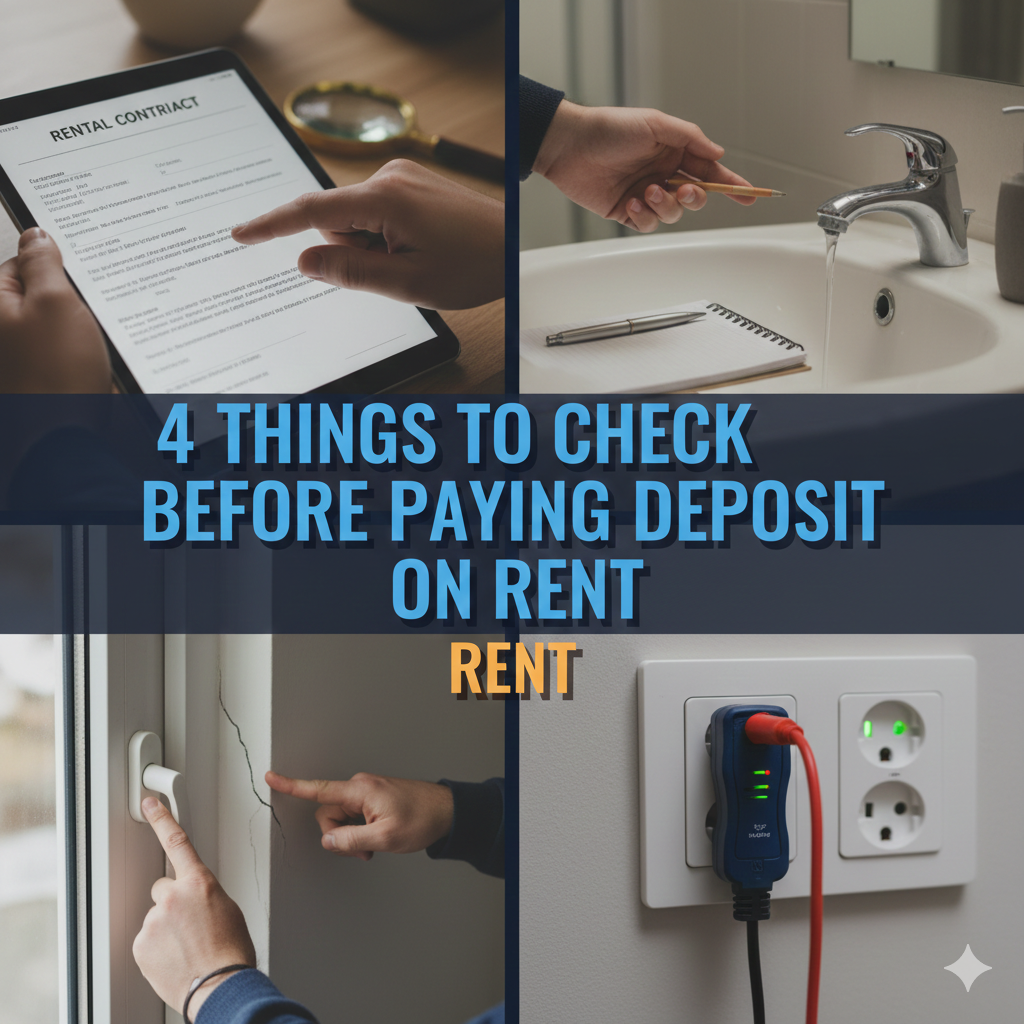
A quick tip: if you’re communicating through platforms, check out resources like 10 Easy Rent-By-Room Ways to Check Room Legitimacy before handing over any personal documents. It covers some smart verification steps that protect you from the start.
2. Use a Separate Email Address for Room Hunting

This sounds almost too simple, but it genuinely works.
Create a dedicated email address — something like yourname.rentals@gmail.com — that you use only for rental inquiries. Keep your main personal or work email completely out of the picture.
Why does this matter?
Because rental listing platforms, agencies, and even some landlords routinely add you to mailing lists, share your contact with partner agencies, or (in worst-case scenarios) sell email lists. Once your main email is in circulation, it’s nearly impossible to clean up.
With a separate email:
- You can see exactly which landlord or platform is leaking your data
- You can delete or abandon the account if things get spammy
- Your main inbox stays clean and professional
- You don’t accidentally mix rental stress with work communication
I’ve been using this method for about four years now. My rental email currently gets roughly 40–50 unsolicited messages a week from agencies. My personal email? Zero.
3. Be Careful What You Share in WhatsApp Groups and House Chats
Here’s something nobody warns you about when you move into a shared house: the group chat.
In shared rentals, landlords often add all tenants to a WhatsApp or Telegram group. On the surface, it’s convenient. In practice, it means every other tenant — people you may not know well — has your phone number, can see your activity timestamps, and potentially your profile photo and status.
Some practical habits I follow:
Use a secondary SIM or VoIP number for landlord communication. Apps like Google Voice (if you’re in the US), or local alternatives in other regions, give you a separate number without needing a new phone. This keeps your primary number private.
Adjust your WhatsApp privacy settings before joining any rental-related group. Go to Settings > Privacy and set your Last Seen, Profile Photo, and About to “My Contacts” or “Nobody” before being added to groups with strangers.
Don’t share personal details in group chats — your workplace, daily schedule, or travel plans are the kind of information that can be misused by people you don’t fully trust yet.
4. Read the Lease Agreement’s Data Clause (Yes, It Exists)
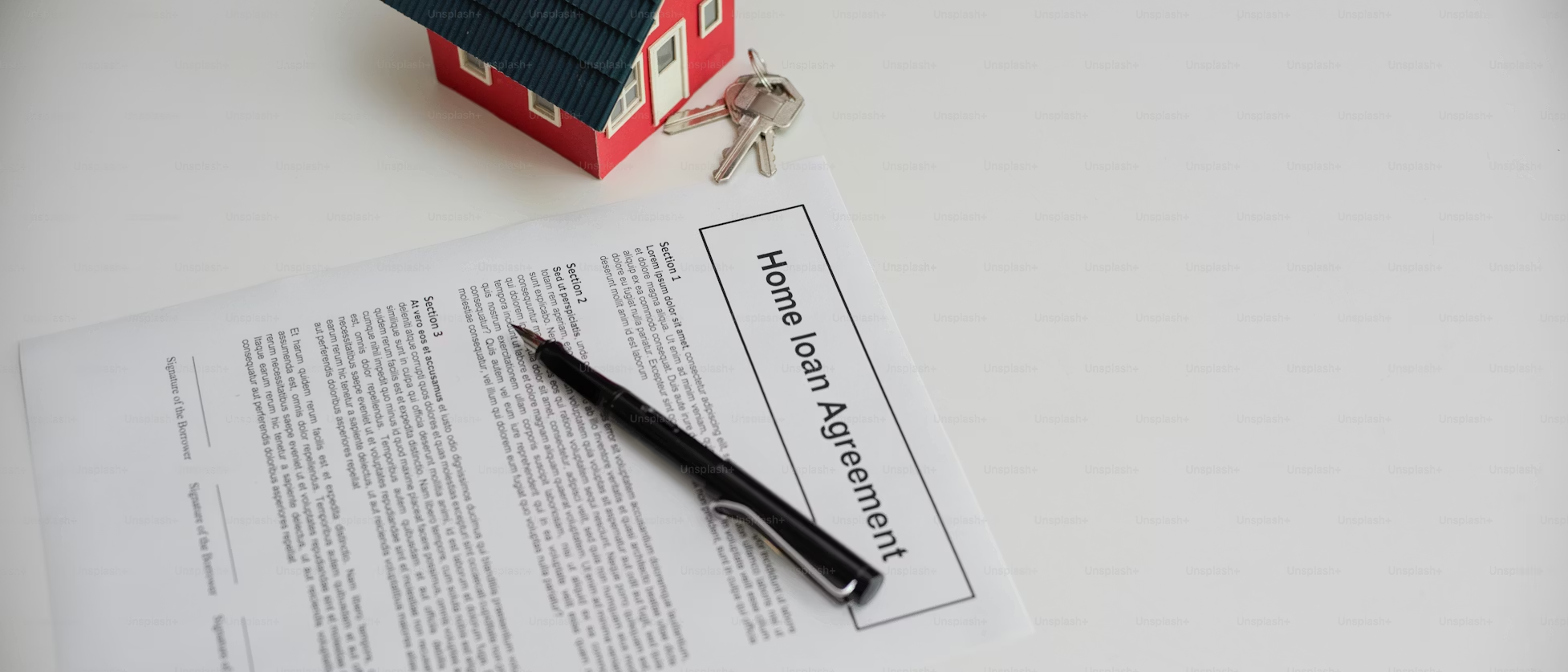
Most people sign leases without reading them properly. I was guilty of this for years.
But buried in many modern lease agreements — especially those from larger property management companies — there’s a data usage or privacy clause. It often grants the landlord or agency the right to share your personal details with “affiliated partners,” which is legal-speak for basically anyone they want.
Here’s a simple checklist for reviewing your lease from a privacy angle:
| What to Look For | Why It Matters |
|---|---|
| Data sharing clause | Tells you who gets your info |
| CCTV/surveillance disclosure | Clarifies camera locations |
| Third-party contractor access | Plumbers, cleaners with your details |
| Emergency contact usage policy | How your contacts’ info is stored |
| Termination data retention | What happens to your info after you leave |
If you spot a clause that says something like “tenant consents to sharing personal data with service partners,” ask for it to be amended or at least clarified in writing. You’d be surprised — many landlords will simply remove it if you ask.
For more guidance on what to check before signing anything, this guide on 6 rules you must read before signing is worth bookmarking.
5. Protect Your Physical Privacy Once You Move In
Digital privacy gets all the attention, but physical privacy in a shared rental is just as important — and often overlooked until something goes wrong.
A few things I learned the hard way:
Your landlord should give notice before entering. In most countries, landlords are legally required to give 24–48 hours’ notice before entering your room (except genuine emergencies). If yours doesn’t, that’s a red flag and worth addressing in writing early.
Invest in a small personal safe or lockbox. Even in shared houses with decent people, having a lockbox for your passport, cards, and backup cash is just smart. They cost very little — around $20–40 for a decent one — and they eliminate a whole category of potential risk.
Be mindful of mail. If important documents, bank statements, or official letters are being sent to your rental address, consider using a PO Box or having them sent to a trusted family member’s address instead. Mail left in shared hallways is surprisingly vulnerable.
Don’t leave personal documents visible. Sounds obvious, but when you’re juggling flatmates and a busy schedule, paperwork piles up. Keep documents in a folder inside your room, not on a shared kitchen table.
6. Vet Roommates Before They Have Access to Your Information
In shared rentals, your privacy isn’t just at risk from landlords — it’s equally at risk from who you’re living with.
Most people do zero research on potential roommates beyond a quick chat. But consider this: this person will know your schedule, see your packages, hear your phone calls, and potentially have access to shared areas where your belongings are kept.
Here’s a simple vetting process that doesn’t require being paranoid — just practical:
Step 1: Search their name + city on Google. Not in a creepy way — just a basic check to see if anything unusual comes up.
Step 2: Check their social media presence briefly. You’re not looking to judge their personality, just to verify they are who they say they are.
Step 3: Have an actual conversation before committing. Ask about work schedule, guests policy, and how they’ve handled conflicts in past shared living. The answers tell you a lot.
Step 4: Agree on shared space rules in writing. Even a simple text message thread documenting “we agreed to X” is better than a verbal conversation you both remember differently six months later.
Step 5: Trust your instincts. If something feels off after meeting them, it probably is.
For more advice on navigating this, these tips on avoiding bad roommates cover some scenarios I wish I’d known about before my second shared rental.
7. Know What Data You’re Giving Rental Platforms
This one surprises people the most.
When you sign up for a room-listing platform — whether it’s a local classifieds site, a dedicated room-sharing app, or a large rental portal — you’re agreeing to a privacy policy that most people never read.
Here’s what many popular rental platforms collect:
- Your full name and contact details
- Search history and saved listings (reveals your budget, preferred areas)
- Message content between you and landlords
- Device information, IP address, and location data
- In some cases, your payment method details
This data gets used for targeted advertising, shared with “trusted partners,” and stored sometimes indefinitely.
What you can do:
Use the platform’s privacy settings to limit data sharing where possible. Most platforms have this under Account Settings > Privacy, though it’s often hidden behind several menus.
Consider using a browser with privacy features (Firefox with uBlock Origin, or Brave) when browsing listings. This limits tracker cookies that follow you across the web after you search for rentals.
If a platform requires an account just to view listings, that’s a sign they’re more interested in your data than in your rental experience. Sometimes browsing as a guest or using a throwaway account for initial searching is the smarter move.
A Few Mistakes I See Renters Make All the Time
Since we’re being honest here, let me list the ones I’ve seen (and made) most often:
Oversharing in the initial inquiry message. Sending a long introductory message with your workplace, income, reason for moving, and life story isn’t impressive to landlords — it just gives them more personal data than necessary. Keep initial contact brief.
Using the same password for rental platforms as other accounts. Rental platforms get breached too. Use a unique password for each platform and a password manager like Bitwarden or 1Password.
Ignoring who has a key to your room. Ask your landlord directly: who has copies of the keys to your room? Cleaners? Previous tenants? Maintenance staff? You have a right to know.
Connecting to unprotected home WiFi without a VPN. In shared houses, other people on the same network can potentially monitor traffic. A VPN (like ProtonVPN, which has a solid free tier) adds a basic layer of protection.
Not getting your deposit back process in writing. This isn’t just a financial issue — disputes over deposits often involve your personal banking details being shared across multiple parties.
The Bigger Picture
Privacy in renting isn’t about being paranoid. It’s about recognizing that your personal information has real value — and that the rental process, by nature, requires you to share a lot of it.
The habits above don’t require you to be suspicious of every landlord or make the renting process harder. Most of them take five minutes to set up and then run quietly in the background, protecting you without you having to think about it.
The one shift in mindset that helped me most was this: treat your personal data the same way you treat your money. You wouldn’t hand a stranger your wallet to “just hold for a second.” So why hand them your full ID, bank statements, and home address before you’ve even seen the property?
Start with habits 1 and 2 on this list — they’re the easiest wins and cover the most common vulnerabilities. Then work through the rest as you get comfortable.