I almost handed over $800 to a complete stranger once.
It was during a stressful apartment search — new city, tight budget, running out of time. I found a listing that looked perfect. Great price, nice photos, “landlord” was super responsive. The only thing he asked was that I send the deposit before viewing, because “too many people were interested.”
Something felt off. I hesitated. Then I walked away.
Turned out that listing was completely fake. Three other people in a Facebook rental group had been scammed by the same “landlord” that same week.
That experience changed how I approach every rental search now. I learned to slow down and read the warning signs — the ones that are easy to miss when you’re desperate to find a place. Whether you’re renting a full apartment or just a single room, these red flags are real, they’re common, and they can cost you a lot more than money.
Here are the four I wish someone had told me about earlier.
1. The Price Is Suspiciously Low for the Area
I know what you’re thinking — finding a cheap room is literally the whole goal. But there’s a difference between an affordable deal and a price that simply doesn’t make sense.
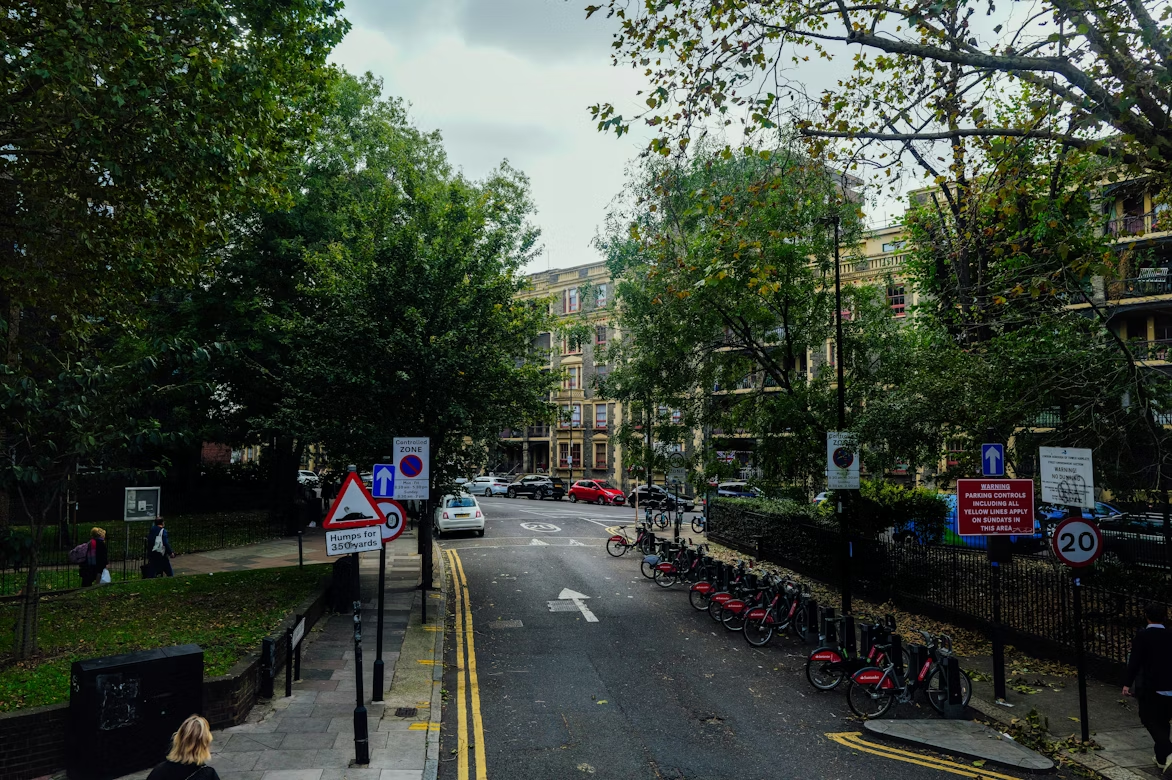
When I was looking for rooms in a busy urban neighborhood, the average going rate was around $600–$750 per month. Then I spotted one for $320 — same area, private room, utilities included. My gut said “jackpot.” My brain should have said “slow down.”
Scammers know that price is the first thing renters notice. They set prices well below market to create urgency and get you excited before your logic kicks in.
Here’s a quick way to reality-check a listing price:
- Open Google Maps and search the neighborhood
- Check similar listings on Zillow, Apartments.com, or Facebook Marketplace for comparable rooms
- If the price is more than 25–30% below the average, treat it as a yellow flag immediately
- Ask yourself: what’s the catch? (There almost always is one)
A legitimately cheap room exists — sometimes a landlord just wants a reliable tenant quickly, or the room has a minor drawback like a shared bathroom or no window. But that reason should be obvious and explainable. If the landlord can’t give you a clear reason for the low price, that’s your signal.
2. The Landlord Avoids In-Person Meetings or Property Viewings
This one burned a friend of mine pretty badly.
She found a room through an online listing, chatted with the “landlord” over WhatsApp for two weeks, paid a holding deposit — and then discovered the person had never actually owned the property. They were renting it themselves and subletting it illegally without the real owner’s knowledge.
She never met anyone in person. Not once.
Legitimate landlords — even busy ones — will almost always make time for a viewing. It’s their property. They want to see who’s moving in just as much as you want to see the space. So when someone constantly reschedules, offers only video tours, or outright refuses to meet, that’s a serious problem.
What to look for:
| Behavior | What It Might Mean |
|---|---|
| Offers only pre-recorded video tour | Listing may be copied from another source |
| Claims to be “overseas” or traveling | Classic scam setup to avoid meeting |
| Delays viewing but pushes deposit fast | Trying to secure money before you discover truth |
| Only communicates via one platform (e.g., WhatsApp only) | Hard to trace if things go wrong |
| Refuses to provide full address until “deposit confirmed” | Major red flag — no real landlord does this |
If you genuinely can’t view in person (long-distance move, for example), insist on a live video call where they physically walk through the property in real time. And always verify the property address exists using Google Street View before sending a single rupee or dollar.
You can also cross-check listings by doing a reverse image search on the property photos. Scammers often steal images from legitimate listings. Just drag the photo into Google Images and see what comes up.
If you’re just starting out with renting, these 11 top tips for first-time renters cover exactly the kind of groundwork that protects you from situations like this.
3. The Lease Agreement Is Vague, Missing, or “Optional”
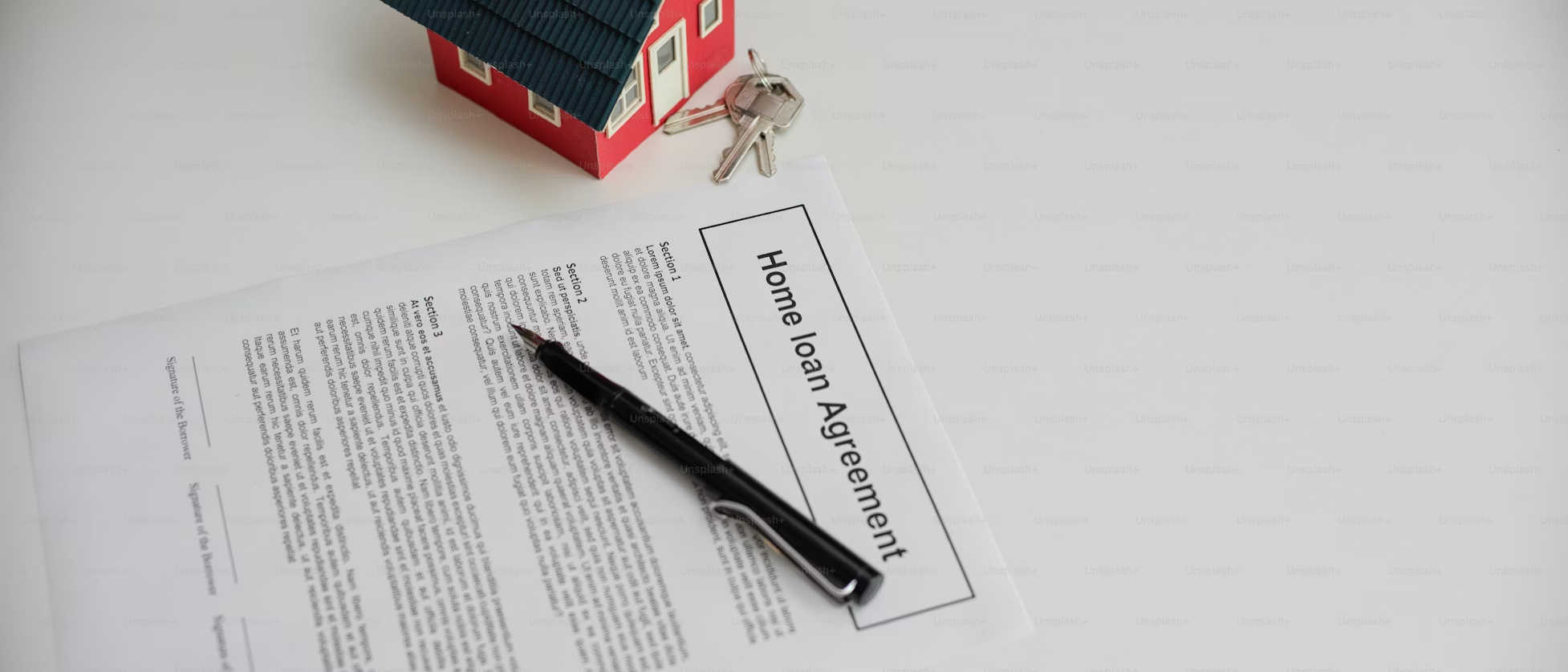
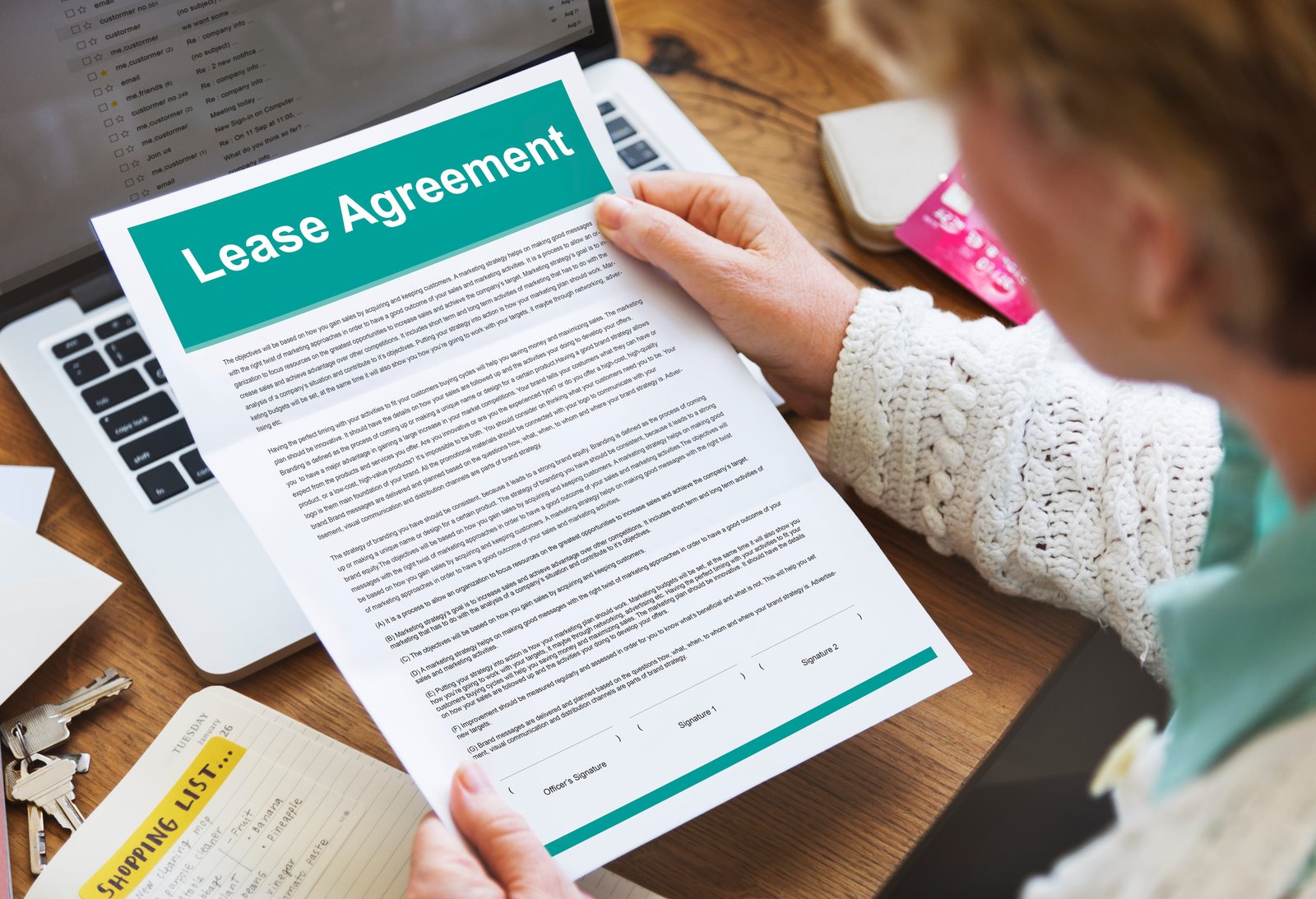
A lease isn’t just paperwork. It’s the only thing standing between you and a nightmare.
I once rented a room from someone who seemed genuinely lovely. Friendly, laid-back, “we don’t need all that formal stuff.” So we did a verbal agreement. No written lease, just a handshake and a shared understanding.
Four months later, she decided to move her sister in and gave me two weeks to leave.
I had no legal recourse. No documentation. Nothing.
A vague or missing lease is one of the most dangerous red flags of all — partly because it doesn’t feel dangerous. It can even feel refreshing, like you’re being trusted. But what it actually means is that you have zero protection if anything goes wrong.
Things a proper lease should always include:
- Your full name and the landlord’s full name
- The exact address of the property and room
- Monthly rent amount and payment due date
- Deposit amount and conditions for return
- Length of tenancy (start date and either end date or rolling terms)
- Rules about guests, noise, shared spaces
- Who handles repairs and utilities
- Notice period required from both sides
If a landlord says the lease is “optional,” “not necessary,” or “we’ll sort it later” — don’t move in until it’s sorted. Full stop.
Even a simple written agreement signed by both parties is better than nothing. There are free lease templates on LawDepot or local government housing sites that you can use if they won’t provide their own.
The same caution applies to deposits. Before you hand over anything, make sure you check these 4 essential things before paying a deposit — it could save you from losing money you’ll never see again.
4. Something Feels “Off” — And They’re Pressuring You to Decide Fast
This last one is harder to quantify, but it might be the most important.
Pressure is a technique. It’s used in sales, in scams, and unfortunately in some rental situations too. When someone creates urgency — “three other people are viewing tomorrow,” “I need to know by tonight,” “the price goes up if you wait” — they’re trying to override your instincts.
Your instincts are usually right.
I’ve been in viewings where everything looked okay on paper but something just felt wrong. The landlord was evasive about certain questions. The story about why the last tenant left changed twice in the same conversation. The electricity meter was in a weird location and they couldn’t explain why.
None of those things alone would be a dealbreaker. But together, combined with pressure to “just sign and move in this weekend” — I walked away each time. And each time, I found out later from other renters in the building that the person had a history of disputes, illegal charges, or worse.
Pressure tactics to watch out for:
- “I have five other applicants — you need to decide now”
- “I don’t usually do this but I’ll hold it for 24 hours if you pay today”
- “Don’t overthink it, it’s a great deal”
- Rushing you through the viewing without giving time to inspect properly
- Getting irritated or dismissive when you ask reasonable questions
A real landlord who has a good property and is running a legitimate rental operation has no reason to pressure you. They want a good tenant just as much as you want a good room. The pressure itself is a red flag — regardless of how nice the place looks.
If you ever feel confused or overwhelmed during the search, stepping back and reviewing these 6 essential rent-by-room rules before signing any deal can genuinely help you reset and think clearly.
Quick Reference: Red Flag Checklist Before You Commit
Use this before putting down any money or signing anything:
| Red Flag | Check It Off |
|---|---|
| Price is significantly below market rate | ☐ |
| Landlord avoids in-person viewing or meeting | ☐ |
| No written lease or deposit agreement | ☐ |
| Being pressured to decide quickly | ☐ |
| Photos look too professional or feel “stolen” | ☐ |
| Payment requested via wire transfer or crypto only | ☐ |
| Property address unverifiable on maps | ☐ |
| Landlord gets defensive when asked basic questions | ☐ |
If you tick even two or three of these boxes, slow everything down. More information, more time, and more questions are always your friends in a rental search.
The Mistake Most Renters Make
The biggest mistake isn’t falling for an obvious scam. It’s ignoring small signs because you’re tired, stressed, or running out of options.
I’ve done it. You probably have too, or you will at some point. When your budget is stretched and you’ve been searching for weeks, a “slightly off” listing starts looking a lot more acceptable than it should. That’s exactly when you’re most vulnerable.
The best defense is doing your research before you’re desperate. Understand what fair market rates look like in your target area before you start seriously viewing. Know what a proper lease looks like. Have a checklist saved on your phone. Talk to other renters in local groups on Facebook or Reddit who can tell you which landlords or buildings have issues.
Safety in renting isn’t just about avoiding scams — it’s about protecting your peace of mind, your money, and your time. A bad rental situation can affect your work, your mental health, and your relationships in ways that take months to recover from.
Take the extra day. Ask the extra question. And never let urgency push you into a decision you haven’t fully thought through.